
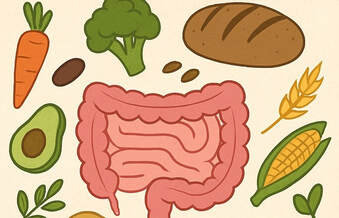
I'm back this week with another episode in our ongoing Gut Health series! This week, we're talking about the importance of fiber for gut health.
We've probably all been nearly "fibered" to death over recent years, with everyone and their grandfather talking about how important fiber is for your health. (Even sugary breakfast cereals filled with artificial flavors and colors claim to be "heart healthy" because they include fiber!) But the unfortunate truth is, many people STILL don't get enough fiber in their diets - or at least not the right balance.
You see, there are different types of fiber, and the way that you consume your fiber does make a difference. It's not as simple as adding a scoop of "fiber powder" supplement to your morning smoothie. Different types of fiber come from different foods, and as is true with most aspects of health and nutrition, the source matters!
The fact is that fiber isn't just bulk in your diet – it's the foundation of a healthy gut ecosystem. Despite its inability to be digested by human enzymes, dietary fiber fuels the trillions of microbes living in your digestive tract, turning your gut into a thriving biological community.
The relationship between fiber and gut health is profound yet often overlooked in our modern diets. While processed foods dominate grocery store shelves, your digestive system craves the complex carbohydrates that humans have consumed for thousands of years. Without adequate fiber, your gut microbiome becomes imbalanced, leading to a cascade of digestive and even systemic health issues.
Let's take a closer look at the role of dietary fiber in gut health.
We've probably all been nearly "fibered" to death over recent years, with everyone and their grandfather talking about how important fiber is for your health. (Even sugary breakfast cereals filled with artificial flavors and colors claim to be "heart healthy" because they include fiber!) But the unfortunate truth is, many people STILL don't get enough fiber in their diets - or at least not the right balance.
You see, there are different types of fiber, and the way that you consume your fiber does make a difference. It's not as simple as adding a scoop of "fiber powder" supplement to your morning smoothie. Different types of fiber come from different foods, and as is true with most aspects of health and nutrition, the source matters!
The fact is that fiber isn't just bulk in your diet – it's the foundation of a healthy gut ecosystem. Despite its inability to be digested by human enzymes, dietary fiber fuels the trillions of microbes living in your digestive tract, turning your gut into a thriving biological community.
The relationship between fiber and gut health is profound yet often overlooked in our modern diets. While processed foods dominate grocery store shelves, your digestive system craves the complex carbohydrates that humans have consumed for thousands of years. Without adequate fiber, your gut microbiome becomes imbalanced, leading to a cascade of digestive and even systemic health issues.
Let's take a closer look at the role of dietary fiber in gut health.
Fiber: The Unsung Hero of Gut Health
Fiber is a type of carbohydrate found exclusively in plant foods that resists digestion in the small intestine. Unlike proteins, fats, and other carbohydrates that get broken down and absorbed, fiber passes relatively intact into your large intestine. This unique property makes fiber essential for proper elimination and gut microbial health.
Most Americans consume only about 15 grams of fiber daily, falling dramatically short of the recommended 25-38 grams. This fiber gap has serious consequences for digestive health, contributing to the rising rates of constipation, diverticulosis, and other gastrointestinal disorders. Nutritionally, it's one of the most significant deficiencies in the modern Western diet.
When fiber enters your digestive system, it performs functions no other nutrient can match. It adds bulk to stool, slows down digestion to help you feel full longer, and feeds the beneficial bacteria that produce essential compounds for colon health. Simply put, without adequate fiber, your gut cannot function optimally.
Types of Fiber That Transform Your Digestive System
Not all dietary fiber is created equal. Different types perform distinct functions in your digestive tract, which is why consuming a variety of fiber sources is essential for comprehensive gut health.
Soluble Fiber: The Gel-Forming Gut Protector
Soluble fiber dissolves in water to form a gel-like substance that slows digestion. This type of fiber is particularly beneficial for blood sugar regulation, as it prevents rapid spikes in glucose levels after meals. Found abundantly in oats, barley, fruits, legumes, and some vegetables, soluble fiber also binds to cholesterol particles, helping to escort them out of your body before they can be absorbed into your bloodstream.
The viscous nature of soluble fiber creates a protective barrier along the intestinal lining. This barrier helps shield your gut from irritants and can be particularly soothing for those with inflammatory bowel conditions. Additionally, the slower transit time allows for more complete nutrient absorption, ensuring you get maximum nutritional benefit from your meals.
Insoluble Fiber: Nature's Intestinal Broom
Insoluble fiber doesn't dissolve in water but passes through your digestive system largely intact, acting like nature's broom to sweep through your intestines. This type of fiber adds bulk to stool, making it easier to pass and preventing constipation. Whole grains, nuts, seeds, and the skins of fruits and vegetables are excellent sources of insoluble fiber.
Beyond promoting regularity, insoluble fiber helps maintain a healthy pH in the intestines, which creates an environment where beneficial bacteria can thrive while inhibiting the growth of harmful pathogens. Regular consumption of insoluble fiber has been associated with reduced risk of hemorrhoids, diverticular disease, and even colorectal cancer.
Resistant Starch: The Prebiotic Powerhouse
Resistant starch represents a unique category of fiber that resists digestion in the small intestine but is fermented by bacteria in the large intestine. Foods like green bananas, cooled potatoes, and legumes contain significant amounts of resistant starch, which functions as a powerful prebiotic – substances that specifically nourish beneficial gut bacteria.
When gut bacteria ferment resistant starch, they produce short-chain fatty acids (SCFAs) like butyrate, which serves as the primary fuel source for the cells lining your colon. This process not only supports the intestinal barrier but also reduces inflammation and creates an environment where harmful bacteria struggle to survive. Incorporating sources of resistant starch into your diet can dramatically improve your gut microbiome diversity and function.
How Fiber Creates a Thriving Gut Microbiome
Your gut houses a complex community of trillions of bacteria collectively known as the gut microbiome. This invisible ecosystem influences everything from digestion and immune function to brain health and mood regulation. Fiber serves as the primary food source for these beneficial bacteria, making it essential for maintaining a balanced and diverse microbiome.
When you consume adequate fiber, you're essentially feeding the good bacteria in your gut, allowing them to proliferate and crowd out potentially harmful microbes. Without sufficient fiber, these beneficial populations can decline, creating opportunities for less desirable bacteria to gain a foothold in your digestive tract.
Fiber as Food for Beneficial Bacteria
Different types of gut bacteria thrive on different fiber sources, which is why dietary diversity is crucial for microbiome health. Bifidobacteria, for example, feed on the oligosaccharides found in onions, garlic, and legumes, while other beneficial strains prefer the fiber in whole grains or vegetables. By consuming a wide variety of plant foods, you're providing nourishment for a diverse array of beneficial microbes.
Research shows that people who eat 30 or more different plant foods weekly have significantly more diverse gut microbiomes than those who eat fewer than 10 different plant foods. This diversity is strongly associated with better overall health outcomes and reduced risk of chronic diseases. A fiber-rich diet essentially cultivates a robust internal garden of beneficial organisms working in harmony with your body.
Short-Chain Fatty Acids: The Magic Byproducts
When gut bacteria ferment fiber in your colon, they produce compounds called short-chain fatty acids (SCFAs) including butyrate, propionate, and acetate. These compounds are the unsung heroes of gut health, serving multiple critical functions. Butyrate, in particular, provides energy for the cells lining your colon, strengthens the gut barrier, and has powerful anti-inflammatory effects.
SCFAs also play roles beyond the gut, influencing metabolism, appetite regulation, and even brain function. Studies have linked higher SCFA production to reduced risk of inflammatory conditions, improved insulin sensitivity, and better weight management. By feeding your gut bacteria with fiber, you're enabling the production of these beneficial compounds that support whole-body health.
The Gut-Brain Connection: How Fiber Affects Your Mood
The communication between your gut and brain is bidirectional, with gut bacteria influencing neurotransmitter production and nervous system function. Fiber-fed bacteria produce compounds that can affect mood, cognition, and stress response. Research increasingly suggests that a fiber-deficient diet may contribute to mood disorders and cognitive decline, while fiber-rich diets support mental well-being.
When your gut bacteria ferment fiber, they don't just produce SCFAs but also influence the production of serotonin and other neurotransmitters that regulate mood. In fact, about 90% of your body's serotonin is produced in your gut, highlighting the critical relationship between dietary fiber, gut health, and emotional wellness!
7 Signs Your Body Needs More Fiber
Your body has ways of signaling when fiber intake is inadequate. Learning to recognize these signs can help you address potential fiber deficiencies before they lead to more serious health issues. From digestive complaints to unexplained fatigue, many common health concerns can be linked to insufficient fiber consumption.
Constant Constipation or Irregular Bowel Movements
The most obvious sign of inadequate fiber intake is constipation or irregular bowel movements. Fiber adds bulk to stool and draws water into the digestive tract, making elimination easier and more regular. If you're experiencing hard, dry stools or going fewer than three times per week, your diet likely lacks sufficient fiber. This common problem affects millions of Americans and leads to unnecessary discomfort when a simple dietary adjustment could provide fast relief.
Unstable Blood Sugar Levels
Do you experience energy crashes after meals or find yourself hungry shortly after eating? These could be signs that your diet lacks adequate soluble fiber. This type of fiber slows the absorption of sugar into your bloodstream, preventing rapid spikes and subsequent crashes in blood glucose levels. By stabilizing blood sugar, fiber helps maintain consistent energy levels throughout the day and reduces cravings for quick energy from sugary foods.
Persistent Hunger After Meals
Fiber adds volume to foods without adding calories, helping you feel satisfied with less food. It also slows digestion, extending the feeling of fullness after eating. If you find yourself hungry soon after meals despite eating reasonable portions, insufficient fiber might be the culprit. Adding fiber-rich foods to your plate can significantly increase satiety and help prevent overeating, making it valuable for both weight management and overall digestive comfort.
Unexplained Weight Gain
A fiber-deficient diet can contribute to weight gain in multiple ways. Without fiber's satiating effect, you're more likely to overconsume calories. Additionally, an imbalanced gut microbiome resulting from low fiber intake can affect metabolism and how your body stores fat. Research shows that individuals who consume more dietary fiber tend to maintain healthier body weights and have less visceral fat—the dangerous type that surrounds organs and increases inflammation throughout the body.
Frequent Digestive Discomfort
Bloating, gas, and general digestive discomfort can ironically be signs of both too little fiber and a sudden increase in fiber. If your diet has been consistently low in fiber, your gut bacteria may be imbalanced, making digestion less efficient. The solution isn't avoiding fiber but introducing it gradually while ensuring adequate hydration. As your microbiome adapts to increased fiber intake, these symptoms typically subside, revealing a more comfortable and efficient digestive system.
The Best Fiber-Rich Foods for Your Gut
Creating a fiber-rich diet doesn't require special foods or supplements—nature has provided an abundance of delicious options! The key is incorporating a variety of plant foods to ensure you receive different types of fiber for optimal gut health.
The fiber content of foods can vary dramatically, which is why understanding which foods deliver the biggest fiber bang for your bite can help you meet your daily requirements more efficiently. Focus on whole, minimally processed foods rather than processed foods with added isolated fibers, which don't provide the same comprehensive benefits.
Fruits That Pack a Fiber Punch
Berries rank among the highest-fiber fruits, with raspberries leading the pack at 8 grams per cup. Their tiny seeds contribute insoluble fiber while their flesh provides soluble fiber, making them a complete gut health package. Other fiber-rich fruits include pears with skin (5.5g), apples (4.5g), and bananas (3.1g), which also contain resistant starch when slightly underripe.
Tropical fruits deserve special mention for their unique fiber profiles. Passion fruit contains 24.5g per cup, while guava and avocados offer 9g and 10g per cup, respectively. These fruits not only provide fiber but also deliver antioxidants and healthy fats that support overall gut health and reduce inflammation.
Vegetables That Boost Digestive Health
Artichokes stand out as fiber superstars, providing 10.3g per medium artichoke, while a cup of cooked split peas offers an impressive 16.3g. Cruciferous vegetables like broccoli, cauliflower, and Brussels sprouts contain special fibers that support detoxification pathways in addition to feeding beneficial gut bacteria.
Root vegetables deserve special attention for their prebiotic fiber content. Sweet potatoes, especially when cooled after cooking, provide resistant starch along with soluble fiber. Onions, garlic, and leeks contain inulin, a powerful prebiotic fiber that specifically nourishes Bifidobacteria species associated with improved gut barrier function and reduced inflammation.
Legumes are fiber powerhouses, with a cup of cooked beans providing 12-20g of fiber along with protein and resistant starch. Lentils, split peas, and chickpeas stand out for their versatility and digestibility. (For those concerned about digestive discomfort from beans, proper preparation techniques like soaking, sprouting, or pressure cooking can significantly improve tolerance.)
Whole grains contain a unique fiber called beta-glucan, particularly abundant in oats and barley, which has been extensively studied for its cholesterol-lowering and blood sugar-regulating properties. Intact whole grains like brown rice, quinoa, and wheat berries provide more fiber benefit than their floured counterparts, as the intact grain structure slows digestion and provides habitat for beneficial bacteria in the gut.
Seeds and Nuts: Small Packages with Big Benefits
Chia seeds contain an extraordinary 10g of fiber per ounce, making them one of the most fiber-dense foods available. When exposed to liquid, chia seeds form a gel-like substance due to their soluble fiber content, which helps soothe the digestive tract and slow digestion. Flaxseeds, while also high in fiber at 8g per ounce, must be ground to release their nutritional benefits.
Nuts provide a satisfying combination of fiber, healthy fats, and protein. Almonds lead with 3.5g fiber per ounce, followed closely by pistachios and hazelnuts. The fiber in nuts is particularly beneficial for feeding specific gut bacteria that produce butyrate, the preferred fuel source for colon cells.
Top Fiber-Rich Foods (per serving)
Legumes (1 cup cooked): 12-20g
Chia seeds (1 oz): 10g
Artichoke (1 medium): 10.3g
Raspberries (1 cup): 8g
Flaxseeds (1 oz, ground): 8g
Pear with skin (1 medium): 5.5g
Avocado (1/2): 5g
Oatmeal (1 cup cooked): 4g
Almonds (1 oz): 3.5g
Popcorn (3 cups air-popped): 3.5g
How to Add More Fiber to Your Diet (Without the Bloat)
Increasing fiber too quickly can lead to uncomfortable digestive symptoms like gas, bloating, and cramping. The key is to increase intake gradually, giving your gut microbiome time to adapt to the additional fermentable material. Start by adding just 5g of fiber per day for a week, then increase by another 5g weekly until you reach your target.
Start Low and Go Slow: The Gradual Approach
If you're currently consuming the average American intake of 15g of fiber daily, don't jump immediately to 35g. This sudden increase can overwhelm your digestive system and actually discourage continued fiber consumption due to discomfort. Instead, add one additional serving of high-fiber food daily for a week, then gradually incorporate more as your body adjusts.
Pay attention to which fiber sources cause you the most discomfort. Some people find certain fibers like inulin (in chicory, artichokes, and garlic) or certain FODMAPs more challenging to digest initially. You may need to temporarily limit these while building tolerance with gentler fibers like those in oats, ground flaxseeds, or cooked vegetables.
Pair Fiber with Plenty of Water
Fiber acts like a sponge in your digestive system, absorbing water to soften stool and ease passage. Without sufficient hydration, a high-fiber diet can actually worsen constipation and cause discomfort. Aim to drink at least 8 cups of water daily when increasing fiber, and consider additional water with particularly fiber-rich meals.
The timing of your fluid intake matters too. Drinking water with high-fiber foods helps the fiber absorb properly, while drinking between meals helps maintain overall hydration. Some people find warm liquids like tea or warm lemon water particularly helpful for keeping the digestive system moving comfortably with a high-fiber diet.
Simple Swaps That Increase Your Fiber Intake
Making small, consistent changes to your eating habits can dramatically increase fiber intake without requiring a complete diet overhaul. Replace white rice with brown or wild rice, white bread with whole grain varieties, and refined breakfast cereals with oatmeal or bran cereals. These simple substitutions can add 3-5g of fiber per serving without significantly changing the flavor profile of your meals.
Adding "invisible" fiber to familiar dishes is another effective strategy. Stirring ground flaxseeds into yogurt, adding chia seeds to smoothies, mixing grated vegetables into sauces, or replacing half the meat in chili with beans can substantially increase fiber content without drastically changing taste or texture. These small adjustments can add 5-10g of fiber to your daily intake almost effortlessly.
Fiber Supplements: Do You Really Need Them?
While whole foods should be your primary source of dietary fiber, supplements can play a supporting role in certain situations. They're particularly useful during transitions to higher fiber diets, when traveling, or for those with medical conditions that limit food choices. However, fiber supplements provide limited types of fiber compared to the diverse array found in whole foods.
When Whole Foods Aren't Enough
Certain medical conditions, food restrictions, or life stages may warrant fiber supplementation. Those recovering from digestive surgeries, experiencing acute digestive issues, or following highly restrictive diets may temporarily need supplemental fiber to maintain gut health. Elderly individuals with decreased appetite or dental issues may also benefit from fiber supplements to prevent constipation and maintain microbiome health.
Fiber supplements should be considered a bridge, not a permanent replacement for dietary fiber. Work toward gradually incorporating more whole food sources as your situation allows, using supplements strategically to fill gaps rather than as your primary fiber source.
Types of Fiber Supplements and Their Benefits
Psyllium husk stands out among fiber supplements for its clinically proven benefits. It contains both soluble and insoluble fiber, helping with both constipation and diarrhea while also supporting healthy cholesterol levels. Methylcellulose and wheat dextrin are less likely to cause gas and bloating, making them good options for those with sensitive digestive systems.
Prebiotic fiber supplements like inulin specifically feed beneficial bacteria but may cause more gas and bloating initially. Partially hydrolyzed guar gum (PHGG) shows promise for IBS symptoms and is better tolerated than some other prebiotic fibers. When selecting a supplement, look for products with minimal additives and follow recommended dosages to prevent digestive discomfort.
Potential Side Effects to Watch For
Even natural fiber supplements can cause digestive disturbances, especially when started too quickly or taken in excessive amounts. Common side effects include bloating, gas, abdominal discomfort, and changes in bowel movements. More serious concerns include potential interactions with medications, as fiber supplements can decrease the absorption of certain drugs when taken simultaneously.
Beyond Digestion: Other Health Benefits of Fiber
While gut health is often the focus of discussions about fiber, its benefits actually extend far beyond digestion. Research consistently shows that high-fiber diets are associated with reduced risk of numerous chronic diseases, from cardiovascular conditions to certain cancers.
The mechanisms behind these protective effects are complex and interconnected. Some benefits come directly from fiber's physical properties, while others stem from its influence on the gut microbiome and the bioactive compounds produced during bacterial fermentation. This multi-faceted approach to health protection makes fiber a uniquely valuable component of the diet.
The relationship between fiber and whole-body health exemplifies the interconnected nature of our biological systems. When we nourish our gut with appropriate fiber, the benefits cascade throughout the body, affecting everything from cellular inflammation to hormone regulation.
Fiber's Whole-Body Benefits:
- Reduces inflammation throughout the body
- Supports immune system function
- Promotes healthy hormone balance
- Enhances detoxification pathways
- Improves skin health
- Supports healthy aging
- Reduces risk of numerous chronic diseases
Heart Health Protection
Soluble fiber has been extensively studied for its cholesterol-lowering effects. It binds to bile acids in the digestive tract, preventing their reabsorption and forcing the body to use cholesterol to produce new bile acids. This mechanism can lower LDL (bad) cholesterol by 5-10% when consuming 5-10g of soluble fiber daily. Additionally, fiber helps reduce inflammation and blood pressure, two other major risk factors for heart disease.
Weight Management Support
High-fiber foods typically require more chewing, which slows eating and gives your body time to register fullness signals. Combined with fiber's ability to delay stomach emptying, this helps prevent overeating during meals.
The gut microbiome alterations from fiber-rich diets may also influence weight management by affecting how calories are harvested from food and how fat is stored. Research shows that people with more diverse gut microbiomes tend to maintain healthier weights, and fiber is one of the primary factors influencing microbiome diversity.
Blood Sugar Regulation
Soluble fiber forms a gel in the digestive tract that slows the absorption of glucose into the bloodstream. This prevents the rapid blood sugar spikes and subsequent crashes that can lead to insulin resistance over time. For those with diabetes or prediabetes, increasing fiber intake is one of the most effective dietary strategies for improving glycemic control.
The short-chain fatty acids produced when gut bacteria ferment fiber also appear to improve insulin sensitivity at a cellular level. Butyrate, in particular, can help muscle cells respond more effectively to insulin signals, enhancing glucose uptake and utilization.
Studies show that for every 10g increase in daily fiber intake, the risk of developing type 2 diabetes decreases by approximately 20-30%, making fiber a powerful preventive tool in the fight against this increasingly common metabolic disorder. For more on the benefits of fiber, check out this Harvard Health article.
Fiber is a type of carbohydrate found exclusively in plant foods that resists digestion in the small intestine. Unlike proteins, fats, and other carbohydrates that get broken down and absorbed, fiber passes relatively intact into your large intestine. This unique property makes fiber essential for proper elimination and gut microbial health.
Most Americans consume only about 15 grams of fiber daily, falling dramatically short of the recommended 25-38 grams. This fiber gap has serious consequences for digestive health, contributing to the rising rates of constipation, diverticulosis, and other gastrointestinal disorders. Nutritionally, it's one of the most significant deficiencies in the modern Western diet.
When fiber enters your digestive system, it performs functions no other nutrient can match. It adds bulk to stool, slows down digestion to help you feel full longer, and feeds the beneficial bacteria that produce essential compounds for colon health. Simply put, without adequate fiber, your gut cannot function optimally.
Types of Fiber That Transform Your Digestive System
Not all dietary fiber is created equal. Different types perform distinct functions in your digestive tract, which is why consuming a variety of fiber sources is essential for comprehensive gut health.
Soluble Fiber: The Gel-Forming Gut Protector
Soluble fiber dissolves in water to form a gel-like substance that slows digestion. This type of fiber is particularly beneficial for blood sugar regulation, as it prevents rapid spikes in glucose levels after meals. Found abundantly in oats, barley, fruits, legumes, and some vegetables, soluble fiber also binds to cholesterol particles, helping to escort them out of your body before they can be absorbed into your bloodstream.
The viscous nature of soluble fiber creates a protective barrier along the intestinal lining. This barrier helps shield your gut from irritants and can be particularly soothing for those with inflammatory bowel conditions. Additionally, the slower transit time allows for more complete nutrient absorption, ensuring you get maximum nutritional benefit from your meals.
Insoluble Fiber: Nature's Intestinal Broom
Insoluble fiber doesn't dissolve in water but passes through your digestive system largely intact, acting like nature's broom to sweep through your intestines. This type of fiber adds bulk to stool, making it easier to pass and preventing constipation. Whole grains, nuts, seeds, and the skins of fruits and vegetables are excellent sources of insoluble fiber.
Beyond promoting regularity, insoluble fiber helps maintain a healthy pH in the intestines, which creates an environment where beneficial bacteria can thrive while inhibiting the growth of harmful pathogens. Regular consumption of insoluble fiber has been associated with reduced risk of hemorrhoids, diverticular disease, and even colorectal cancer.
Resistant Starch: The Prebiotic Powerhouse
Resistant starch represents a unique category of fiber that resists digestion in the small intestine but is fermented by bacteria in the large intestine. Foods like green bananas, cooled potatoes, and legumes contain significant amounts of resistant starch, which functions as a powerful prebiotic – substances that specifically nourish beneficial gut bacteria.
When gut bacteria ferment resistant starch, they produce short-chain fatty acids (SCFAs) like butyrate, which serves as the primary fuel source for the cells lining your colon. This process not only supports the intestinal barrier but also reduces inflammation and creates an environment where harmful bacteria struggle to survive. Incorporating sources of resistant starch into your diet can dramatically improve your gut microbiome diversity and function.
How Fiber Creates a Thriving Gut Microbiome
Your gut houses a complex community of trillions of bacteria collectively known as the gut microbiome. This invisible ecosystem influences everything from digestion and immune function to brain health and mood regulation. Fiber serves as the primary food source for these beneficial bacteria, making it essential for maintaining a balanced and diverse microbiome.
When you consume adequate fiber, you're essentially feeding the good bacteria in your gut, allowing them to proliferate and crowd out potentially harmful microbes. Without sufficient fiber, these beneficial populations can decline, creating opportunities for less desirable bacteria to gain a foothold in your digestive tract.
Fiber as Food for Beneficial Bacteria
Different types of gut bacteria thrive on different fiber sources, which is why dietary diversity is crucial for microbiome health. Bifidobacteria, for example, feed on the oligosaccharides found in onions, garlic, and legumes, while other beneficial strains prefer the fiber in whole grains or vegetables. By consuming a wide variety of plant foods, you're providing nourishment for a diverse array of beneficial microbes.
Research shows that people who eat 30 or more different plant foods weekly have significantly more diverse gut microbiomes than those who eat fewer than 10 different plant foods. This diversity is strongly associated with better overall health outcomes and reduced risk of chronic diseases. A fiber-rich diet essentially cultivates a robust internal garden of beneficial organisms working in harmony with your body.
Short-Chain Fatty Acids: The Magic Byproducts
When gut bacteria ferment fiber in your colon, they produce compounds called short-chain fatty acids (SCFAs) including butyrate, propionate, and acetate. These compounds are the unsung heroes of gut health, serving multiple critical functions. Butyrate, in particular, provides energy for the cells lining your colon, strengthens the gut barrier, and has powerful anti-inflammatory effects.
SCFAs also play roles beyond the gut, influencing metabolism, appetite regulation, and even brain function. Studies have linked higher SCFA production to reduced risk of inflammatory conditions, improved insulin sensitivity, and better weight management. By feeding your gut bacteria with fiber, you're enabling the production of these beneficial compounds that support whole-body health.
The Gut-Brain Connection: How Fiber Affects Your Mood
The communication between your gut and brain is bidirectional, with gut bacteria influencing neurotransmitter production and nervous system function. Fiber-fed bacteria produce compounds that can affect mood, cognition, and stress response. Research increasingly suggests that a fiber-deficient diet may contribute to mood disorders and cognitive decline, while fiber-rich diets support mental well-being.
When your gut bacteria ferment fiber, they don't just produce SCFAs but also influence the production of serotonin and other neurotransmitters that regulate mood. In fact, about 90% of your body's serotonin is produced in your gut, highlighting the critical relationship between dietary fiber, gut health, and emotional wellness!
7 Signs Your Body Needs More Fiber
Your body has ways of signaling when fiber intake is inadequate. Learning to recognize these signs can help you address potential fiber deficiencies before they lead to more serious health issues. From digestive complaints to unexplained fatigue, many common health concerns can be linked to insufficient fiber consumption.
Constant Constipation or Irregular Bowel Movements
The most obvious sign of inadequate fiber intake is constipation or irregular bowel movements. Fiber adds bulk to stool and draws water into the digestive tract, making elimination easier and more regular. If you're experiencing hard, dry stools or going fewer than three times per week, your diet likely lacks sufficient fiber. This common problem affects millions of Americans and leads to unnecessary discomfort when a simple dietary adjustment could provide fast relief.
Unstable Blood Sugar Levels
Do you experience energy crashes after meals or find yourself hungry shortly after eating? These could be signs that your diet lacks adequate soluble fiber. This type of fiber slows the absorption of sugar into your bloodstream, preventing rapid spikes and subsequent crashes in blood glucose levels. By stabilizing blood sugar, fiber helps maintain consistent energy levels throughout the day and reduces cravings for quick energy from sugary foods.
Persistent Hunger After Meals
Fiber adds volume to foods without adding calories, helping you feel satisfied with less food. It also slows digestion, extending the feeling of fullness after eating. If you find yourself hungry soon after meals despite eating reasonable portions, insufficient fiber might be the culprit. Adding fiber-rich foods to your plate can significantly increase satiety and help prevent overeating, making it valuable for both weight management and overall digestive comfort.
Unexplained Weight Gain
A fiber-deficient diet can contribute to weight gain in multiple ways. Without fiber's satiating effect, you're more likely to overconsume calories. Additionally, an imbalanced gut microbiome resulting from low fiber intake can affect metabolism and how your body stores fat. Research shows that individuals who consume more dietary fiber tend to maintain healthier body weights and have less visceral fat—the dangerous type that surrounds organs and increases inflammation throughout the body.
Frequent Digestive Discomfort
Bloating, gas, and general digestive discomfort can ironically be signs of both too little fiber and a sudden increase in fiber. If your diet has been consistently low in fiber, your gut bacteria may be imbalanced, making digestion less efficient. The solution isn't avoiding fiber but introducing it gradually while ensuring adequate hydration. As your microbiome adapts to increased fiber intake, these symptoms typically subside, revealing a more comfortable and efficient digestive system.
The Best Fiber-Rich Foods for Your Gut
Creating a fiber-rich diet doesn't require special foods or supplements—nature has provided an abundance of delicious options! The key is incorporating a variety of plant foods to ensure you receive different types of fiber for optimal gut health.
The fiber content of foods can vary dramatically, which is why understanding which foods deliver the biggest fiber bang for your bite can help you meet your daily requirements more efficiently. Focus on whole, minimally processed foods rather than processed foods with added isolated fibers, which don't provide the same comprehensive benefits.
Fruits That Pack a Fiber Punch
Berries rank among the highest-fiber fruits, with raspberries leading the pack at 8 grams per cup. Their tiny seeds contribute insoluble fiber while their flesh provides soluble fiber, making them a complete gut health package. Other fiber-rich fruits include pears with skin (5.5g), apples (4.5g), and bananas (3.1g), which also contain resistant starch when slightly underripe.
Tropical fruits deserve special mention for their unique fiber profiles. Passion fruit contains 24.5g per cup, while guava and avocados offer 9g and 10g per cup, respectively. These fruits not only provide fiber but also deliver antioxidants and healthy fats that support overall gut health and reduce inflammation.
Vegetables That Boost Digestive Health
Artichokes stand out as fiber superstars, providing 10.3g per medium artichoke, while a cup of cooked split peas offers an impressive 16.3g. Cruciferous vegetables like broccoli, cauliflower, and Brussels sprouts contain special fibers that support detoxification pathways in addition to feeding beneficial gut bacteria.
Root vegetables deserve special attention for their prebiotic fiber content. Sweet potatoes, especially when cooled after cooking, provide resistant starch along with soluble fiber. Onions, garlic, and leeks contain inulin, a powerful prebiotic fiber that specifically nourishes Bifidobacteria species associated with improved gut barrier function and reduced inflammation.
- Leafy greens (kale, spinach, collards): 4-5g per cooked cup
- Cruciferous vegetables (broccoli, cauliflower): 3-5g per cup
- Root vegetables (sweet potatoes, carrots): 3-4g per cup
- Allium family (garlic, onions, leeks): Rich in prebiotic fibers
- Squash varieties (acorn, butternut): 6-9g per cup
Legumes are fiber powerhouses, with a cup of cooked beans providing 12-20g of fiber along with protein and resistant starch. Lentils, split peas, and chickpeas stand out for their versatility and digestibility. (For those concerned about digestive discomfort from beans, proper preparation techniques like soaking, sprouting, or pressure cooking can significantly improve tolerance.)
Whole grains contain a unique fiber called beta-glucan, particularly abundant in oats and barley, which has been extensively studied for its cholesterol-lowering and blood sugar-regulating properties. Intact whole grains like brown rice, quinoa, and wheat berries provide more fiber benefit than their floured counterparts, as the intact grain structure slows digestion and provides habitat for beneficial bacteria in the gut.
Seeds and Nuts: Small Packages with Big Benefits
Chia seeds contain an extraordinary 10g of fiber per ounce, making them one of the most fiber-dense foods available. When exposed to liquid, chia seeds form a gel-like substance due to their soluble fiber content, which helps soothe the digestive tract and slow digestion. Flaxseeds, while also high in fiber at 8g per ounce, must be ground to release their nutritional benefits.
Nuts provide a satisfying combination of fiber, healthy fats, and protein. Almonds lead with 3.5g fiber per ounce, followed closely by pistachios and hazelnuts. The fiber in nuts is particularly beneficial for feeding specific gut bacteria that produce butyrate, the preferred fuel source for colon cells.
Top Fiber-Rich Foods (per serving)
Legumes (1 cup cooked): 12-20g
Chia seeds (1 oz): 10g
Artichoke (1 medium): 10.3g
Raspberries (1 cup): 8g
Flaxseeds (1 oz, ground): 8g
Pear with skin (1 medium): 5.5g
Avocado (1/2): 5g
Oatmeal (1 cup cooked): 4g
Almonds (1 oz): 3.5g
Popcorn (3 cups air-popped): 3.5g
How to Add More Fiber to Your Diet (Without the Bloat)
Increasing fiber too quickly can lead to uncomfortable digestive symptoms like gas, bloating, and cramping. The key is to increase intake gradually, giving your gut microbiome time to adapt to the additional fermentable material. Start by adding just 5g of fiber per day for a week, then increase by another 5g weekly until you reach your target.
Start Low and Go Slow: The Gradual Approach
If you're currently consuming the average American intake of 15g of fiber daily, don't jump immediately to 35g. This sudden increase can overwhelm your digestive system and actually discourage continued fiber consumption due to discomfort. Instead, add one additional serving of high-fiber food daily for a week, then gradually incorporate more as your body adjusts.
Pay attention to which fiber sources cause you the most discomfort. Some people find certain fibers like inulin (in chicory, artichokes, and garlic) or certain FODMAPs more challenging to digest initially. You may need to temporarily limit these while building tolerance with gentler fibers like those in oats, ground flaxseeds, or cooked vegetables.
Pair Fiber with Plenty of Water
Fiber acts like a sponge in your digestive system, absorbing water to soften stool and ease passage. Without sufficient hydration, a high-fiber diet can actually worsen constipation and cause discomfort. Aim to drink at least 8 cups of water daily when increasing fiber, and consider additional water with particularly fiber-rich meals.
The timing of your fluid intake matters too. Drinking water with high-fiber foods helps the fiber absorb properly, while drinking between meals helps maintain overall hydration. Some people find warm liquids like tea or warm lemon water particularly helpful for keeping the digestive system moving comfortably with a high-fiber diet.
Simple Swaps That Increase Your Fiber Intake
Making small, consistent changes to your eating habits can dramatically increase fiber intake without requiring a complete diet overhaul. Replace white rice with brown or wild rice, white bread with whole grain varieties, and refined breakfast cereals with oatmeal or bran cereals. These simple substitutions can add 3-5g of fiber per serving without significantly changing the flavor profile of your meals.
Adding "invisible" fiber to familiar dishes is another effective strategy. Stirring ground flaxseeds into yogurt, adding chia seeds to smoothies, mixing grated vegetables into sauces, or replacing half the meat in chili with beans can substantially increase fiber content without drastically changing taste or texture. These small adjustments can add 5-10g of fiber to your daily intake almost effortlessly.
Fiber Supplements: Do You Really Need Them?
While whole foods should be your primary source of dietary fiber, supplements can play a supporting role in certain situations. They're particularly useful during transitions to higher fiber diets, when traveling, or for those with medical conditions that limit food choices. However, fiber supplements provide limited types of fiber compared to the diverse array found in whole foods.
When Whole Foods Aren't Enough
Certain medical conditions, food restrictions, or life stages may warrant fiber supplementation. Those recovering from digestive surgeries, experiencing acute digestive issues, or following highly restrictive diets may temporarily need supplemental fiber to maintain gut health. Elderly individuals with decreased appetite or dental issues may also benefit from fiber supplements to prevent constipation and maintain microbiome health.
Fiber supplements should be considered a bridge, not a permanent replacement for dietary fiber. Work toward gradually incorporating more whole food sources as your situation allows, using supplements strategically to fill gaps rather than as your primary fiber source.
Types of Fiber Supplements and Their Benefits
Psyllium husk stands out among fiber supplements for its clinically proven benefits. It contains both soluble and insoluble fiber, helping with both constipation and diarrhea while also supporting healthy cholesterol levels. Methylcellulose and wheat dextrin are less likely to cause gas and bloating, making them good options for those with sensitive digestive systems.
Prebiotic fiber supplements like inulin specifically feed beneficial bacteria but may cause more gas and bloating initially. Partially hydrolyzed guar gum (PHGG) shows promise for IBS symptoms and is better tolerated than some other prebiotic fibers. When selecting a supplement, look for products with minimal additives and follow recommended dosages to prevent digestive discomfort.
Potential Side Effects to Watch For
Even natural fiber supplements can cause digestive disturbances, especially when started too quickly or taken in excessive amounts. Common side effects include bloating, gas, abdominal discomfort, and changes in bowel movements. More serious concerns include potential interactions with medications, as fiber supplements can decrease the absorption of certain drugs when taken simultaneously.
Beyond Digestion: Other Health Benefits of Fiber
While gut health is often the focus of discussions about fiber, its benefits actually extend far beyond digestion. Research consistently shows that high-fiber diets are associated with reduced risk of numerous chronic diseases, from cardiovascular conditions to certain cancers.
The mechanisms behind these protective effects are complex and interconnected. Some benefits come directly from fiber's physical properties, while others stem from its influence on the gut microbiome and the bioactive compounds produced during bacterial fermentation. This multi-faceted approach to health protection makes fiber a uniquely valuable component of the diet.
The relationship between fiber and whole-body health exemplifies the interconnected nature of our biological systems. When we nourish our gut with appropriate fiber, the benefits cascade throughout the body, affecting everything from cellular inflammation to hormone regulation.
Fiber's Whole-Body Benefits:
- Reduces inflammation throughout the body
- Supports immune system function
- Promotes healthy hormone balance
- Enhances detoxification pathways
- Improves skin health
- Supports healthy aging
- Reduces risk of numerous chronic diseases
Heart Health Protection
Soluble fiber has been extensively studied for its cholesterol-lowering effects. It binds to bile acids in the digestive tract, preventing their reabsorption and forcing the body to use cholesterol to produce new bile acids. This mechanism can lower LDL (bad) cholesterol by 5-10% when consuming 5-10g of soluble fiber daily. Additionally, fiber helps reduce inflammation and blood pressure, two other major risk factors for heart disease.
Weight Management Support
High-fiber foods typically require more chewing, which slows eating and gives your body time to register fullness signals. Combined with fiber's ability to delay stomach emptying, this helps prevent overeating during meals.
The gut microbiome alterations from fiber-rich diets may also influence weight management by affecting how calories are harvested from food and how fat is stored. Research shows that people with more diverse gut microbiomes tend to maintain healthier weights, and fiber is one of the primary factors influencing microbiome diversity.
Blood Sugar Regulation
Soluble fiber forms a gel in the digestive tract that slows the absorption of glucose into the bloodstream. This prevents the rapid blood sugar spikes and subsequent crashes that can lead to insulin resistance over time. For those with diabetes or prediabetes, increasing fiber intake is one of the most effective dietary strategies for improving glycemic control.
The short-chain fatty acids produced when gut bacteria ferment fiber also appear to improve insulin sensitivity at a cellular level. Butyrate, in particular, can help muscle cells respond more effectively to insulin signals, enhancing glucose uptake and utilization.
Studies show that for every 10g increase in daily fiber intake, the risk of developing type 2 diabetes decreases by approximately 20-30%, making fiber a powerful preventive tool in the fight against this increasingly common metabolic disorder. For more on the benefits of fiber, check out this Harvard Health article.
|
Fiber Type |
Blood Sugar Effect |
Food Sources |
|---|---|---|
|
Soluble Fiber |
Slows glucose absorption, improves insulin sensitivity |
Oats, barley, legumes, apples |
|
Resistant Starch |
Reduces post-meal blood sugar, improves insulin response |
Green bananas, cooled potatoes, legumes |
|
Beta-glucan |
Significant glucose-lowering effects |
Oats, barley, medicinal mushrooms |
Cancer Risk Reduction
Fiber's potential to reduce colorectal cancer risk has been extensively studied. By speeding transit time through the colon, fiber reduces the exposure of intestinal cells to potential carcinogens in the stool. The fermentation of fiber also produces compounds that appear to protect against cancer development and progression.
Butyrate, a short-chain fatty acid produced when bacteria ferment fiber, helps regulate cell growth and differentiation in the colon. It can trigger apoptosis (programmed cell death) in damaged cells that might otherwise become cancerous. This protective mechanism helps explain why populations consuming traditional high-fiber diets have significantly lower rates of colorectal cancer.
Beyond colorectal cancer, fiber intake has been associated with reduced risk of breast, esophageal, and gastric cancers. The mechanisms vary but include effects on hormone regulation, reduced inflammation, and enhanced immune surveillance – all factors in cancer prevention.
A meta-analysis of 16 prospective studies found that for every 10g of fiber consumed daily, colorectal cancer risk decreased by 10%. This makes fiber one of the most significant dietary factors in cancer prevention, highlighting the importance of meeting daily fiber recommendations.
Fiber and Cancer Prevention:
High-fiber diets are associated with:
- 10-20% lower colorectal cancer risk
- 7% lower breast cancer risk
- Reduced inflammation throughout the body
- Better regulation of cancer-related hormones
- Enhanced removal of carcinogenic compounds
- Improved immune system function
Your Path to Better Gut Health Starts Today
Transforming your gut health doesn't require drastic measures—just consistent attention to increasing dietary fiber from diverse plant sources. Begin by adding one additional serving of high-fiber food daily, gradually building to the recommended 25-38 grams per day. Remember to increase water intake alongside fiber and give your body time to adjust to your new, gut-supporting diet. The benefits extend far beyond digestion, potentially adding both years to your life and life to your years through improved overall health!
Frequently Asked Questions
The journey to optimal fiber intake comes with many questions. Here are answers to the most common concerns about incorporating more fiber into your diet.
How much fiber should I eat every day?
The Dietary Guidelines for Americans recommend 25 grams daily for women and 38 grams for men under age 50. Women over 50 should aim for 21 grams, while men over 50 need 30 grams. These targets represent minimum requirements for health maintenance, though evidence suggests additional benefits may come with higher intakes, particularly from diverse whole food sources.
Can eating too much fiber be harmful?
While fiber is beneficial, excessive intake—usually above 70 grams daily—can cause bloating, gas, abdominal pain, and in extreme cases, intestinal blockage or mineral deficiencies. Most people don't approach these levels from whole foods alone, but supplements can more easily lead to excessive consumption.
The key concern isn't usually the amount but the rate of increase. Suddenly doubling or tripling fiber intake can overwhelm your digestive system and gut microbiome. Gradual increases allow your body to adapt, developing both the microbial populations and digestive enzymes needed to handle higher fiber loads comfortably.
Those with certain digestive conditions like strictures, active inflammatory bowel disease flares, or recent abdominal surgery may need to temporarily limit fiber intake and should consult healthcare providers before making significant dietary changes.
What's the difference between prebiotics and fiber?
All prebiotics are fiber, but not all fiber is prebiotic. Prebiotics are specifically defined as non-digestible food components that selectively stimulate the growth or activity of beneficial gut bacteria. Common prebiotics include inulin, fructooligosaccharides (FOS), and galactooligosaccharides (GOS), found naturally in foods like Jerusalem artichokes, onions, garlic, bananas, and legumes. While general fiber supports gut health broadly, prebiotics target specific beneficial bacterial populations.
Will increasing fiber help with my IBS symptoms?
The relationship between fiber and IBS is complex and individualized. Soluble fiber often helps manage IBS symptoms by regulating bowel movements and feeding beneficial bacteria. However, certain high-fiber foods, particularly those high in FODMAPs, may trigger symptoms in sensitive individuals. The key is identifying which fiber sources work for your specific gut. Gradually introducing gentle fibers like ground flaxseed, oats, or psyllium often proves helpful, while limiting fermentable fibers from certain fruits, wheat, and alliums during symptom flares.
How quickly will I notice improvements in my digestion after increasing fiber intake?
Many people notice changes in bowel regularity within 24-48 hours of increasing fiber, particularly if they were previously consuming very little. However, deeper improvements to gut microbiome composition and the associated benefits may take 2-4 weeks to develop as bacterial populations adjust and expand in response to the new fiber sources.
Initial discomfort like bloating or gas is common when first increasing fiber and typically subsides within a week as your microbiome adapts. Persistent discomfort beyond two weeks suggests you may be increasing fiber too quickly or consuming types of fiber that don't agree with your unique digestive system.
The most successful approach combines patience with careful observation of how your body responds to different fiber sources. Keep a simple food journal noting fiber intake and digestive symptoms to identify patterns and optimize your personal fiber protocol for gut health.
For personalized guidance on improving your gut health through proper fiber intake, consider consulting with a registered dietitian specialized in digestive health. Your unique digestive system deserves an individualized approach to fiber that addresses your specific needs and health goals.
To your health,
Rose.


 RSS Feed