
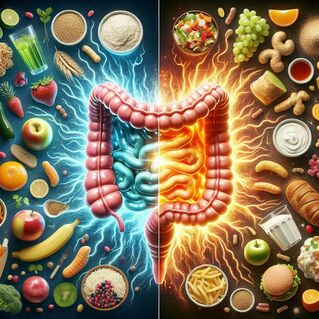
We're back this week with another post in our ongoing gut health series, and this week, we're tackling a hot topic - literally! Chronic gut inflammation is often the root cause of digestive issues and can affect overall health, mood, and immune function.
When your gut isn't happy, chances are the rest of your body isn't either. From digestive discomfort to fatigue and even mood changes, poor gut health affects how you feel every day. At the core of many gut issues lies inflammation – a natural response gone awry that can silently damage your digestive system and overall wellbeing.
Understanding gut inflammation is the first step toward healing it naturally. Tryon Medical Partners shares that there's a strong connection between your gut and brain, with inflammation playing a central role in this relationship. By addressing the root causes of inflammation through natural means, you can restore balance to your digestive system and improve your overall health without relying solely on medications that often treat symptoms rather than causes.
The good news? Nature provides numerous effective remedies for calming gut inflammation. From anti-inflammatory foods to lifestyle modifications, you have many options to support your body's natural healing processes. Let's explore what's really happening when gut inflammation occurs and how you can address it with evidence-based natural solutions.
When your gut isn't happy, chances are the rest of your body isn't either. From digestive discomfort to fatigue and even mood changes, poor gut health affects how you feel every day. At the core of many gut issues lies inflammation – a natural response gone awry that can silently damage your digestive system and overall wellbeing.
Understanding gut inflammation is the first step toward healing it naturally. Tryon Medical Partners shares that there's a strong connection between your gut and brain, with inflammation playing a central role in this relationship. By addressing the root causes of inflammation through natural means, you can restore balance to your digestive system and improve your overall health without relying solely on medications that often treat symptoms rather than causes.
The good news? Nature provides numerous effective remedies for calming gut inflammation. From anti-inflammatory foods to lifestyle modifications, you have many options to support your body's natural healing processes. Let's explore what's really happening when gut inflammation occurs and how you can address it with evidence-based natural solutions.
The Gut-Inflammation Connection: What's Really Happening Inside
"Inflammation is an innate immunity mechanism, triggered by the complex biological response of the gut as well as other tissues of the body toward harmful stimuli. When your body is functioning optimally, inflammation serves as a protective response, but when it becomes chronic, it can damage the very tissues it's meant to protect." - Tryon Medical Partners
Inflammation in the gut occurs when your immune system activates in response to perceived threats. This process involves complex interactions between immune cells, gut bacteria, and the intestinal lining. In a healthy gut, occasional inflammatory responses help protect against harmful pathogens, but when inflammation becomes chronic, it creates a destructive cycle that damages intestinal tissues and disrupts normal digestive function.
Your gut contains over 70% of your immune system, making it a central hub for inflammatory responses throughout your body. When the delicate balance of your gut ecosystem is disrupted, inflammation can spiral out of control. The intestinal lining, normally a selective barrier, can become more permeable during inflammation—a condition sometimes called "leaky gut"—allowing undigested food particles and bacterial components to pass into the bloodstream and potentially trigger system-wide inflammatory responses.
The inflammation cycle can be particularly damaging because it often creates a self-perpetuating loop. Inflammatory compounds damage the intestinal lining, which triggers more inflammation as the barrier function weakens. Breaking this cycle requires a multi-faceted approach that addresses both the triggers of inflammation and supports the body's natural anti-inflammatory mechanisms.
How Chronic Inflammation Damages Your Gut Health
Chronic gut inflammation gradually erodes your digestive wellness in multiple ways. Over time, persistent inflammation damages the intestinal villi—tiny finger-like projections that absorb nutrients—reducing your body's ability to properly extract vitamins, minerals, and other essential nutrients from food. This can lead to subtle nutritional deficiencies even when you're eating a healthy diet.
The damage extends beyond just nutrient absorption. Inflammation disrupts the production of digestive enzymes and bile acids, making it harder to break down proteins, fats, and complex carbohydrates. This creates a ripple effect of digestive discomfort including bloating, gas, and irregular bowel movements that many mistake for normal digestive function.
The Difference Between Acute and Chronic Inflammation
Not all inflammation is harmful—acute inflammation is your body's natural protective response to injury or infection. It's characterized by redness, heat, swelling, and sometimes pain as immune cells rush to the area to address the threat. This type of inflammation is typically short-lived and resolves once the threat is neutralized, leaving tissues to heal and return to normal function.
Chronic inflammation, on the other hand, is when the inflammation is persistent or systemic, and doesn't go away over time. This is when long-lasting damage can occur.
Warning Signs Your Gut Is Inflamed
Your body often sends clear signals when gut inflammation is present, though many people ignore these warning signs or attribute them to other causes. Common indicators include persistent bloating after meals, irregular bowel movements (either constipation or diarrhea), unexplained fatigue, food sensitivities that seem to worsen over time, and abdominal discomfort. More subtle signs might include skin issues like eczema or rosacea, joint pain, frequent headaches, or mood disturbances like anxiety or depression—all potentially linked to gut inflammation through various pathways.
The Gut-Brain Connection: How Inflammation Affects Your Mood
The gut-brain axis represents one of the most fascinating aspects of how gut inflammation impacts overall health. This bidirectional communication network means that gut inflammation can directly influence brain function and mood. When your gut is inflamed, it produces fewer mood-regulating neurotransmitters like serotonin (90% of which is produced in the gut) and more stress hormones and inflammatory cytokines that can cross the blood-brain barrier and affect cognitive function.
What Triggers Gut Inflammation?
Understanding what triggers inflammation in your gut is crucial for developing an effective healing strategy. While individual triggers vary from person to person, several common factors consistently emerge as primary culprits. By identifying and addressing your specific inflammation triggers, you can create a targeted approach to reducing gut inflammation naturally.
1. Dietary Triggers
What you eat has perhaps the most direct and significant impact on gut inflammation levels. Certain foods contain compounds that either promote or reduce inflammatory responses in the digestive tract. The standard Western diet, high in processed foods, refined carbohydrates, industrial seed oils, and added sugars, creates the perfect storm for gut inflammation.
Specific dietary factors that commonly trigger inflammation include gluten (especially for sensitive individuals), conventional dairy products, processed vegetable oils high in omega-6 fatty acids, artificial sweeteners, and food additives like carrageenan and certain emulsifiers. These substances can directly irritate the gut lining or disrupt the balance of gut bacteria that helps regulate inflammation.
Sugar deserves special mention as a particularly potent inflammatory trigger. Excessive sugar consumption feeds harmful bacteria and yeast in the gut, creating dysbiosis that promotes inflammation. Studies show that even short-term high-sugar diets can increase inflammatory markers and alter gut microbial communities within days.
2. Stress and Sleep Disruption
The mind-gut connection works both ways, with chronic stress being a major driver of gut inflammation. When you're stressed, your body produces cortisol and other stress hormones that can increase intestinal permeability and alter blood flow to digestive organs. This stress response can also change the composition of your gut microbiome, favoring pro-inflammatory species over beneficial ones that help maintain gut barrier function.
3. Medication Side Effects
Many common medications can disrupt gut health and promote inflammation. Antibiotics, while sometimes necessary, can drastically alter gut microbial communities by killing beneficial bacteria alongside pathogens. This disruption can take months or even years to fully recover from without targeted support.
Non-steroidal anti-inflammatory drugs (NSAIDs) like ibuprofen ironically can increase gut inflammation through a different mechanism. Regular use can damage the protective mucus layer of the gut, increasing permeability and setting the stage for inflammation. Other medications including proton pump inhibitors, corticosteroids, and certain antidepressants may also negatively impact gut function and microbial balance when used long-term.
4. Gut Microbiome Imbalances
The trillions of microorganisms in your gut play a crucial role in regulating inflammation. When beneficial bacteria are diminished and harmful species proliferate—a condition called dysbiosis—inflammation often follows. This imbalance can result from poor diet, stress, medications, or infections. Restoring microbial balance is one of the most effective strategies for reducing gut inflammation naturally.
5. Environmental Toxins
We're exposed to numerous environmental compounds that can disrupt gut health and trigger inflammation. Pesticides, plasticizers like BPA, heavy metals, and chemicals in household cleaning products can all alter gut function and microbial communities. These compounds can directly damage the intestinal lining or disrupt the delicate hormonal systems that regulate gut function.
Reducing exposure to these environmental toxins while supporting your body's natural detoxification pathways can significantly reduce the inflammatory burden on your digestive system. Simple steps like filtering water, choosing organic produce when possible, and using natural cleaning products can make a meaningful difference in your gut health over time. For more information on maintaining gut health, explore these additional resources.
The Microbiome's Role in Controlling Inflammation
Your gut microbiome—the ecosystem of bacteria, fungi, viruses, and other microorganisms living in your digestive tract—functions as a critical regulator of inflammation throughout your body. These microbes aren't just passive inhabitants; they actively influence how your immune system responds to potential threats. Understanding this relationship is key to developing effective natural strategies for reducing gut inflammation.
How Beneficial Bacteria Fight Inflammation
Beneficial gut bacteria act as your first line of defense against inflammation through multiple mechanisms. They produce short-chain fatty acids like butyrate when they ferment fiber, which directly inhibits inflammatory pathways and strengthens the gut barrier. These bacteria also train your immune system to distinguish between harmful pathogens and harmless compounds, preventing unnecessary inflammatory responses to food or beneficial microbes.
Certain bacterial species are particularly powerful anti-inflammatory agents. Akkermansia muciniphila helps maintain the protective mucus layer lining your gut, while Faecalibacterium prausnitzii is one of the most abundant butyrate-producers in a healthy gut. Lactobacillus and Bifidobacterium species also help maintain gut barrier integrity and modulate immune responses to prevent excessive inflammation.
Dysbiosis: When Your Gut Bacteria Are Out of Balance
Dysbiosis occurs when the delicate balance of your gut ecosystem is disrupted, with potentially harmful bacteria outnumbering beneficial species. This imbalance creates a pro-inflammatory environment in several ways. Harmful bacteria produce endotoxins that directly trigger inflammation, while the reduction in beneficial species means fewer anti-inflammatory compounds are being produced.
Studies show that people with inflammatory gut conditions like IBD, IBS, and celiac disease typically show patterns of dysbiosis that differ from healthy individuals. The good news is that dietary changes can shift your microbial communities remarkably quickly—often within just 2-3 days of changing what you eat—making diet one of the most powerful tools for restoring microbial balance and reducing inflammation.
7 Natural Anti-Inflammatory Foods for Gut Health
Food is your most powerful medicine when it comes to reducing gut inflammation. The Mediterranean diet pattern consistently shows powerful anti-inflammatory effects in research studies, largely due to its emphasis on whole, unprocessed foods rich in fiber, healthy fats, and phytonutrients. Incorporating these seven food categories can dramatically reduce inflammatory processes in your digestive system while nourishing the beneficial bacteria that help maintain gut health.
1. Fermented Foods: Nature's Probiotics
"Getting probiotics naturally through food is one of the best ways to support your gut," says Dr. Messiha from Tryon Medical Partners. "You don't always need a supplement—your plate can be your medicine." Fermented foods like yogurt, kefir, sauerkraut, kimchi, and kombucha deliver living beneficial bacteria directly to your gut, where they can help restore microbial balance and reduce inflammation. A landmark Stanford study found that consuming fermented foods increased microbial diversity and reduced inflammatory markers more effectively than even high-fiber foods.
2. Omega-3 Rich Foods
The balance between omega-3 and omega-6 fatty acids plays a crucial role in regulating inflammation. While most Western diets contain excessive inflammatory omega-6 fats, omega-3s actively counter this effect by producing compounds that resolve inflammation. Cold-water fatty fish like salmon, mackerel, sardines, and herring provide the most bioavailable forms of omega-3s (EPA and DHA).
Plant sources of omega-3s include flaxseeds, chia seeds, hemp seeds, and walnuts, though these contain ALA which must be converted to EPA and DHA in the body (a somewhat inefficient process). Research shows that regular consumption of omega-3 rich foods can reduce inflammatory markers and improve symptoms in conditions like inflammatory bowel disease.
3. Colorful Fruits and Vegetables
Vibrant fruits and vegetables are packed with polyphenols and other phytonutrients that directly combat inflammation while feeding beneficial gut bacteria. The colors in these foods aren't just visually appealing—they represent different beneficial compounds that protect your gut in various ways. Berries, for example, contain anthocyanins that reduce oxidative stress and inflammation, while leafy greens provide lutein and zeaxanthin that protect cellular integrity.
Aim for a "rainbow diet" that includes foods of multiple colors each day. Red (tomatoes, strawberries), orange/yellow (sweet potatoes, turmeric), green (broccoli, kale), blue/purple (blueberries, eggplant), and white/tan (garlic, onions, mushrooms) foods each contain unique beneficial compounds that work synergistically to reduce inflammation throughout your digestive system.
4. Prebiotic-Rich Foods
Prebiotics are specialized plant fibers that feed your beneficial gut bacteria, allowing them to thrive and produce anti-inflammatory compounds like butyrate. Foods particularly rich in prebiotic fibers include garlic, onions, leeks, asparagus, Jerusalem artichokes, bananas, oats, and apples. Research shows that prebiotic fibers not only reduce inflammatory markers but also help strengthen the gut barrier, preventing the "leaky gut" that can trigger system-wide inflammation.
5. Anti-Inflammatory Herbs and Spices
These potent plant compounds can be easily incorporated into daily meals to create a consistent anti-inflammatory effect. Even small amounts used regularly can contribute to reduced gut inflammation over time. Many traditional culinary combinations intuitively pair these anti-inflammatory herbs and spices with foods that might otherwise cause mild inflammatory responses—think ginger with fish, turmeric with rice, or rosemary with grilled meats.
The anti-inflammatory effects of these herbs and spices are often dose-dependent, meaning more isn't always better. Consistent, moderate use in cooking typically provides the most benefit without the risk of side effects that might come with supplement forms. For enhanced absorption of fat-soluble compounds like curcumin, pair them with a source of healthy fat and black pepper, which significantly increases bioavailability.
Beyond their direct anti-inflammatory effects, many of these herbs and spices also have antimicrobial properties that help maintain a healthy balance of gut bacteria. Oregano, thyme, and cinnamon can help control overgrowths of potentially harmful bacteria while supporting the growth of beneficial species that reduce inflammation.
6. Bone Broth and Collagen-Supporting Foods
Bone broth contains gelatin, collagen, glycine, and glutamine—nutrients that directly support the integrity of the intestinal lining where inflammation often begins. Regular consumption of homemade bone broth provides the building blocks your body needs to repair damaged gut tissue and strengthen the intestinal barrier. Research suggests that the amino acids in bone broth may help reduce intestinal inflammation and improve gut barrier function in conditions like inflammatory bowel disease.
Other collagen-supporting foods include chicken with the skin on, fish with the skin, egg membrane, and vitamin C-rich foods that boost your body's natural collagen production. The combination of these nutrients provides comprehensive support for the structural integrity of your gut lining, which is essential for preventing the inappropriate immune activation that leads to inflammation.
7. Polyphenol-Rich Foods and Drinks
Polyphenols are powerful plant compounds with exceptional anti-inflammatory properties. Foods particularly rich in these compounds include extra virgin olive oil, green tea, dark chocolate (70%+ cacao), berries, and red wine (in moderation). Research shows these compounds not only directly reduce inflammation but also act as prebiotics, supporting the growth of beneficial bacteria that further reduce inflammatory processes.
Olive oil deserves special mention as a cornerstone of the anti-inflammatory Mediterranean diet. Its oleocanthal content provides similar anti-inflammatory effects to ibuprofen but without the gut-damaging side effects. Using extra virgin olive oil as your primary fat source can significantly reduce inflammatory markers throughout your body, including in the digestive tract.
Healing Your Gut: Evidence-Based Supplement Strategies
While food should always be your first medicine, targeted supplements can accelerate gut healing and provide concentrated support for reducing inflammation. The key is selecting research-backed supplements that address your specific inflammatory triggers rather than taking a scattershot approach. Quality matters tremendously with gut health supplements—look for products with third-party testing and transparent sourcing.
Probiotics: Choosing the Right Strains for Inflammation
Not all probiotic supplements are created equal when it comes to fighting gut inflammation. Specific strains have been researched for their anti-inflammatory effects, including Lactobacillus plantarum, Bifidobacterium longum, and Lactobacillus rhamnosus GG. These particular bacteria have been shown to strengthen gut barrier function, modulate immune responses, and reduce production of inflammatory compounds.
Multi-strain formulas typically provide broader benefits than single-strain products, as different beneficial bacteria work through different mechanisms to reduce inflammation. For persistent gut inflammation, look for probiotics containing at least 20-50 billion CFUs (colony forming units) and including strains from both the Lactobacillus and Bifidobacterium families. Refrigerated probiotics generally offer better viability than shelf-stable varieties, though specialized delivery systems in some shelf-stable products can protect bacteria until they reach your intestines.
L-Glutamine: The Gut Lining Protector
L-glutamine is an amino acid that serves as the primary fuel for enterocytes—the cells that line your intestines. Supplemental L-glutamine has been shown to help repair damaged gut tissue, strengthen tight junctions between intestinal cells, and reduce intestinal permeability that contributes to inflammation. Typical therapeutic doses range from 5-10g daily, taken away from food for optimal absorption.
Beyond its direct gut-healing effects, L-glutamine also supports immune function and helps regulate the inflammatory response. Studies show it can be particularly beneficial for inflammatory bowel conditions and for supporting gut recovery after periods of intense stress or after using medications that damage the gut lining.
Digestive Enzymes: When They Help and When They Don't
Digestive enzymes can provide temporary relief from inflammation by helping break down proteins, fats, and carbohydrates that might otherwise cause digestive distress and trigger inflammatory responses. For people with pancreatic insufficiency or those recovering from gut inflammation, a full-spectrum enzyme supplement taken with meals can reduce the digestive burden while the gut heals.
However, enzymes address symptoms rather than root causes of inflammation and shouldn't be relied upon as a long-term solution without addressing diet and lifestyle factors. The goal should be to restore your body's natural enzyme production through gut healing, rather than creating dependency on supplemental enzymes. If you find yourself needing enzymes for an extended period, it's worth investigating deeper causes of your digestive difficulties with a healthcare provider.
The Elimination Diet: How to Identify Your Personal Inflammation Triggers
While certain foods are inflammatory for most people, individual responses can vary dramatically based on genetics, gut microbiome composition, and immune system factors. An elimination diet remains the gold standard for identifying your personal inflammation triggers—foods that might be perfectly healthy for most people but provoke inflammatory responses in your unique system.
Step-by-Step Guide to Starting an Elimination Diet
The elimination diet involves temporarily removing common inflammatory foods from your diet for 3-4 weeks, then systematically reintroducing them while monitoring for symptoms. During the elimination phase, focus on naturally anti-inflammatory foods like vegetables, fruits, quality proteins, and healthy fats while avoiding gluten, dairy, soy, eggs, corn, sugar, alcohol, and processed foods. The reintroduction phase is equally important—add back one food category every 3 days, noting any symptoms like digestive discomfort, skin changes, energy fluctuations, or mood shifts that might indicate an inflammatory response.
The most common mistake people make with elimination diets is rushing the process or reintroducing multiple foods simultaneously, which makes it impossible to identify specific triggers. Patience and careful observation are essential for success. Keep a detailed food and symptom journal throughout the process to identify patterns that might not be immediately obvious. Remember that symptoms can sometimes appear up to 72 hours after consuming a trigger food, particularly with delayed immune reactions.
Common Food Sensitivities That Cause Inflammation
While individual responses vary, certain foods consistently emerge as common inflammatory triggers. Gluten proteins found in wheat, barley and rye are particularly problematic for many people, even those without celiac disease. Conventional dairy products contain casein and whey proteins that can trigger inflammatory responses, particularly A1 beta-casein found in most commercial milk. Other common triggers include soy, corn, eggs (especially egg whites), nightshades (tomatoes, peppers, potatoes, eggplant), and nuts—particularly peanuts, which are technically legumes and contain several potentially inflammatory compounds.
Food additives and preservatives represent another category of potential inflammatory triggers often overlooked in elimination diets. Artificial colors, flavors, preservatives like sulfites and nitrates, and texture enhancers like carrageenan have all been linked to gut inflammation in sensitive individuals. Checking ingredient labels and choosing whole, unprocessed foods is the simplest way to avoid these potential triggers.
Lifestyle Changes That Reduce Gut Inflammation
What you do matters just as much as what you eat when it comes to gut inflammation. Lifestyle factors like stress, sleep quality, and physical activity directly influence inflammatory processes in your digestive system. The gut-brain connection means that psychological stress translates into physiological inflammation through multiple pathways. Creating a lifestyle that supports gut health requires attention to these non-dietary factors that can either accelerate healing or undermine even the best nutritional approach.
Stress Management Techniques That Work
Chronic stress triggers the release of cortisol and other stress hormones that directly increase gut permeability and inflammation. Effective stress management techniques include mindfulness meditation, which has been shown in studies to reduce inflammatory markers and improve symptoms in inflammatory bowel conditions. Even brief daily practices of 10-15 minutes can make a significant difference in how your body responds to stressors.
Deep breathing exercises that activate the parasympathetic "rest and digest" nervous system provide another powerful tool for reducing gut inflammation. The simple practice of diaphragmatic breathing—inhaling slowly through the nose for a count of four, holding briefly, then exhaling completely for a count of six—signals to your body that it's safe to direct blood flow and resources to digestive processes rather than preparing for "fight or flight." Incorporating this breathing pattern for just 5 minutes several times daily can significantly reduce stress-induced gut inflammation.
Exercise: Finding the Right Balance
Physical activity offers a double-edged sword for gut inflammation. Moderate exercise reduces inflammatory markers, improves gut motility, and enhances microbial diversity—all beneficial for reducing inflammation. Studies show that consistent moderate exercise can reduce inflammatory markers by up to 60% over time, largely through the release of anti-inflammatory myokines from working muscles.
However, excessive or extremely intense exercise can actually increase gut permeability and inflammation, particularly in the unprepared gut. This explains why some endurance athletes experience digestive distress during events. The key is finding your personal sweet spot—typically 30-45 minutes of moderate activity most days, gradually increasing intensity as your fitness and gut health improve.
Low-impact exercises like walking, swimming, yoga, and cycling typically provide anti-inflammatory benefits without excessive stress on the digestive system. These activities improve circulation to digestive organs while activating the parasympathetic nervous system that supports optimal digestive function. For those recovering from significant gut inflammation, gentle movement like walking after meals can provide benefits without overtaxing your system.
Sleep Quality and Gut Healing
Sleep quality directly impacts gut inflammation through multiple mechanisms, including effects on stress hormones, immune function, and microbial activity. Just one night of poor sleep can increase inflammatory markers and alter the gut microbiome composition toward pro-inflammatory species. Prioritizing 7-9 hours of quality sleep creates the physiological conditions necessary for gut repair and regeneration to occur, particularly during the deep sleep stages when tissue healing is most active.
When to See a Doctor About Gut Inflammation
While natural approaches can address many cases of gut inflammation, certain symptoms should prompt medical evaluation. Persistent severe symptoms like bloody stool, unintentional weight loss, severe pain, chronic diarrhea, or nighttime symptoms that wake you from sleep warrant professional assessment. These could indicate conditions like inflammatory bowel disease, celiac disease, or other issues requiring specific medical treatment.
Natural remedies work best when used appropriately for the right conditions, and sometimes they work most effectively alongside conventional treatments. The goal should be finding the right combination of approaches that addresses your specific situation. Many integrative and functional medicine practitioners can help you navigate both natural and conventional options for addressing gut inflammation.
Red Flags That Require Medical Attention
Certain symptoms should never be ignored as they may indicate serious conditions requiring immediate medical attention. These include severe, unrelenting abdominal pain, particularly when accompanied by fever; significant rectal bleeding or black, tarry stools; severe, persistent diarrhea leading to dehydration; or any abdominal symptoms accompanied by difficulty breathing or chest pain. These could indicate conditions like gastrointestinal bleeding, bowel obstruction, appendicitis, or other emergencies requiring prompt treatment rather than home management.
Tests That Diagnose Gut Inflammation
If you suspect significant gut inflammation, several diagnostic tests can provide objective measurements. Traditional medical tests include blood markers of inflammation like C-reactive protein (CRP) and erythrocyte sedimentation rate (ESR), stool tests for calprotectin and lactoferrin (specific markers of intestinal inflammation), and endoscopic procedures that allow direct visualization of the intestinal lining. Functional medicine offers additional testing options including comprehensive stool analysis, intestinal permeability testing, and food sensitivity panels that can identify triggers contributing to inflammation.
Working with a healthcare provider who understands both conventional and functional approaches to gut health can help you determine which tests are most appropriate for your specific symptoms. Many gut conditions share similar symptoms but require different treatment approaches, making accurate diagnosis crucial for effective management.
Remember that testing provides a snapshot of your current gut health status and can serve as a valuable baseline to track improvements as you implement natural anti-inflammatory strategies. Repeating certain tests after implementing your healing protocol can provide objective evidence of progress and help refine your approach.
Your Gut Healing Action Plan
Creating a structured approach to reducing gut inflammation increases your chances of success. Start by eliminating the most common inflammatory triggers (processed foods, sugar, alcohol, conventional dairy, gluten) while increasing anti-inflammatory foods like fatty fish, fermented foods, colorful produce, and healing herbs and spices. Add targeted supplements based on your specific symptoms—probiotics for dysbiosis, L-glutamine for leaky gut, or digestive enzymes for malabsorption issues. Implement stress management practices daily, prioritize sleep quality, and incorporate appropriate physical activity for your current health status.
Remember that healing gut inflammation is rarely a linear process. Expect some ups and downs as your body adjusts and heals. Consistency matters more than perfection, and small sustainable changes often produce better long-term results than radical approaches that can't be maintained. Document your progress, celebrate improvements, and be willing to adjust your approach based on how your unique body responds. With patience and persistence, most people can significantly reduce gut inflammation using natural approaches, restoring balance to their digestive system and improving overall health.
Understanding the powerful connection between your gut health and overall wellbeing opens new pathways for natural healing. By implementing the strategies outlined in this guide—from anti-inflammatory foods to stress management techniques—you can reduce gut inflammation and support your body's natural healing processes. Remember that consistency matters more than perfection, and even small changes can produce significant improvements over time!
To your health,
Rose.
"Inflammation is an innate immunity mechanism, triggered by the complex biological response of the gut as well as other tissues of the body toward harmful stimuli. When your body is functioning optimally, inflammation serves as a protective response, but when it becomes chronic, it can damage the very tissues it's meant to protect." - Tryon Medical Partners
Inflammation in the gut occurs when your immune system activates in response to perceived threats. This process involves complex interactions between immune cells, gut bacteria, and the intestinal lining. In a healthy gut, occasional inflammatory responses help protect against harmful pathogens, but when inflammation becomes chronic, it creates a destructive cycle that damages intestinal tissues and disrupts normal digestive function.
Your gut contains over 70% of your immune system, making it a central hub for inflammatory responses throughout your body. When the delicate balance of your gut ecosystem is disrupted, inflammation can spiral out of control. The intestinal lining, normally a selective barrier, can become more permeable during inflammation—a condition sometimes called "leaky gut"—allowing undigested food particles and bacterial components to pass into the bloodstream and potentially trigger system-wide inflammatory responses.
The inflammation cycle can be particularly damaging because it often creates a self-perpetuating loop. Inflammatory compounds damage the intestinal lining, which triggers more inflammation as the barrier function weakens. Breaking this cycle requires a multi-faceted approach that addresses both the triggers of inflammation and supports the body's natural anti-inflammatory mechanisms.
How Chronic Inflammation Damages Your Gut Health
Chronic gut inflammation gradually erodes your digestive wellness in multiple ways. Over time, persistent inflammation damages the intestinal villi—tiny finger-like projections that absorb nutrients—reducing your body's ability to properly extract vitamins, minerals, and other essential nutrients from food. This can lead to subtle nutritional deficiencies even when you're eating a healthy diet.
The damage extends beyond just nutrient absorption. Inflammation disrupts the production of digestive enzymes and bile acids, making it harder to break down proteins, fats, and complex carbohydrates. This creates a ripple effect of digestive discomfort including bloating, gas, and irregular bowel movements that many mistake for normal digestive function.
The Difference Between Acute and Chronic Inflammation
Not all inflammation is harmful—acute inflammation is your body's natural protective response to injury or infection. It's characterized by redness, heat, swelling, and sometimes pain as immune cells rush to the area to address the threat. This type of inflammation is typically short-lived and resolves once the threat is neutralized, leaving tissues to heal and return to normal function.
Chronic inflammation, on the other hand, is when the inflammation is persistent or systemic, and doesn't go away over time. This is when long-lasting damage can occur.
Warning Signs Your Gut Is Inflamed
Your body often sends clear signals when gut inflammation is present, though many people ignore these warning signs or attribute them to other causes. Common indicators include persistent bloating after meals, irregular bowel movements (either constipation or diarrhea), unexplained fatigue, food sensitivities that seem to worsen over time, and abdominal discomfort. More subtle signs might include skin issues like eczema or rosacea, joint pain, frequent headaches, or mood disturbances like anxiety or depression—all potentially linked to gut inflammation through various pathways.
The Gut-Brain Connection: How Inflammation Affects Your Mood
The gut-brain axis represents one of the most fascinating aspects of how gut inflammation impacts overall health. This bidirectional communication network means that gut inflammation can directly influence brain function and mood. When your gut is inflamed, it produces fewer mood-regulating neurotransmitters like serotonin (90% of which is produced in the gut) and more stress hormones and inflammatory cytokines that can cross the blood-brain barrier and affect cognitive function.
What Triggers Gut Inflammation?
Understanding what triggers inflammation in your gut is crucial for developing an effective healing strategy. While individual triggers vary from person to person, several common factors consistently emerge as primary culprits. By identifying and addressing your specific inflammation triggers, you can create a targeted approach to reducing gut inflammation naturally.
1. Dietary Triggers
What you eat has perhaps the most direct and significant impact on gut inflammation levels. Certain foods contain compounds that either promote or reduce inflammatory responses in the digestive tract. The standard Western diet, high in processed foods, refined carbohydrates, industrial seed oils, and added sugars, creates the perfect storm for gut inflammation.
Specific dietary factors that commonly trigger inflammation include gluten (especially for sensitive individuals), conventional dairy products, processed vegetable oils high in omega-6 fatty acids, artificial sweeteners, and food additives like carrageenan and certain emulsifiers. These substances can directly irritate the gut lining or disrupt the balance of gut bacteria that helps regulate inflammation.
Sugar deserves special mention as a particularly potent inflammatory trigger. Excessive sugar consumption feeds harmful bacteria and yeast in the gut, creating dysbiosis that promotes inflammation. Studies show that even short-term high-sugar diets can increase inflammatory markers and alter gut microbial communities within days.
2. Stress and Sleep Disruption
The mind-gut connection works both ways, with chronic stress being a major driver of gut inflammation. When you're stressed, your body produces cortisol and other stress hormones that can increase intestinal permeability and alter blood flow to digestive organs. This stress response can also change the composition of your gut microbiome, favoring pro-inflammatory species over beneficial ones that help maintain gut barrier function.
3. Medication Side Effects
Many common medications can disrupt gut health and promote inflammation. Antibiotics, while sometimes necessary, can drastically alter gut microbial communities by killing beneficial bacteria alongside pathogens. This disruption can take months or even years to fully recover from without targeted support.
Non-steroidal anti-inflammatory drugs (NSAIDs) like ibuprofen ironically can increase gut inflammation through a different mechanism. Regular use can damage the protective mucus layer of the gut, increasing permeability and setting the stage for inflammation. Other medications including proton pump inhibitors, corticosteroids, and certain antidepressants may also negatively impact gut function and microbial balance when used long-term.
4. Gut Microbiome Imbalances
The trillions of microorganisms in your gut play a crucial role in regulating inflammation. When beneficial bacteria are diminished and harmful species proliferate—a condition called dysbiosis—inflammation often follows. This imbalance can result from poor diet, stress, medications, or infections. Restoring microbial balance is one of the most effective strategies for reducing gut inflammation naturally.
5. Environmental Toxins
We're exposed to numerous environmental compounds that can disrupt gut health and trigger inflammation. Pesticides, plasticizers like BPA, heavy metals, and chemicals in household cleaning products can all alter gut function and microbial communities. These compounds can directly damage the intestinal lining or disrupt the delicate hormonal systems that regulate gut function.
Reducing exposure to these environmental toxins while supporting your body's natural detoxification pathways can significantly reduce the inflammatory burden on your digestive system. Simple steps like filtering water, choosing organic produce when possible, and using natural cleaning products can make a meaningful difference in your gut health over time. For more information on maintaining gut health, explore these additional resources.
The Microbiome's Role in Controlling Inflammation
Your gut microbiome—the ecosystem of bacteria, fungi, viruses, and other microorganisms living in your digestive tract—functions as a critical regulator of inflammation throughout your body. These microbes aren't just passive inhabitants; they actively influence how your immune system responds to potential threats. Understanding this relationship is key to developing effective natural strategies for reducing gut inflammation.
How Beneficial Bacteria Fight Inflammation
Beneficial gut bacteria act as your first line of defense against inflammation through multiple mechanisms. They produce short-chain fatty acids like butyrate when they ferment fiber, which directly inhibits inflammatory pathways and strengthens the gut barrier. These bacteria also train your immune system to distinguish between harmful pathogens and harmless compounds, preventing unnecessary inflammatory responses to food or beneficial microbes.
Certain bacterial species are particularly powerful anti-inflammatory agents. Akkermansia muciniphila helps maintain the protective mucus layer lining your gut, while Faecalibacterium prausnitzii is one of the most abundant butyrate-producers in a healthy gut. Lactobacillus and Bifidobacterium species also help maintain gut barrier integrity and modulate immune responses to prevent excessive inflammation.
Dysbiosis: When Your Gut Bacteria Are Out of Balance
Dysbiosis occurs when the delicate balance of your gut ecosystem is disrupted, with potentially harmful bacteria outnumbering beneficial species. This imbalance creates a pro-inflammatory environment in several ways. Harmful bacteria produce endotoxins that directly trigger inflammation, while the reduction in beneficial species means fewer anti-inflammatory compounds are being produced.
Studies show that people with inflammatory gut conditions like IBD, IBS, and celiac disease typically show patterns of dysbiosis that differ from healthy individuals. The good news is that dietary changes can shift your microbial communities remarkably quickly—often within just 2-3 days of changing what you eat—making diet one of the most powerful tools for restoring microbial balance and reducing inflammation.
7 Natural Anti-Inflammatory Foods for Gut Health
Food is your most powerful medicine when it comes to reducing gut inflammation. The Mediterranean diet pattern consistently shows powerful anti-inflammatory effects in research studies, largely due to its emphasis on whole, unprocessed foods rich in fiber, healthy fats, and phytonutrients. Incorporating these seven food categories can dramatically reduce inflammatory processes in your digestive system while nourishing the beneficial bacteria that help maintain gut health.
1. Fermented Foods: Nature's Probiotics
"Getting probiotics naturally through food is one of the best ways to support your gut," says Dr. Messiha from Tryon Medical Partners. "You don't always need a supplement—your plate can be your medicine." Fermented foods like yogurt, kefir, sauerkraut, kimchi, and kombucha deliver living beneficial bacteria directly to your gut, where they can help restore microbial balance and reduce inflammation. A landmark Stanford study found that consuming fermented foods increased microbial diversity and reduced inflammatory markers more effectively than even high-fiber foods.
2. Omega-3 Rich Foods
The balance between omega-3 and omega-6 fatty acids plays a crucial role in regulating inflammation. While most Western diets contain excessive inflammatory omega-6 fats, omega-3s actively counter this effect by producing compounds that resolve inflammation. Cold-water fatty fish like salmon, mackerel, sardines, and herring provide the most bioavailable forms of omega-3s (EPA and DHA).
Plant sources of omega-3s include flaxseeds, chia seeds, hemp seeds, and walnuts, though these contain ALA which must be converted to EPA and DHA in the body (a somewhat inefficient process). Research shows that regular consumption of omega-3 rich foods can reduce inflammatory markers and improve symptoms in conditions like inflammatory bowel disease.
3. Colorful Fruits and Vegetables
Vibrant fruits and vegetables are packed with polyphenols and other phytonutrients that directly combat inflammation while feeding beneficial gut bacteria. The colors in these foods aren't just visually appealing—they represent different beneficial compounds that protect your gut in various ways. Berries, for example, contain anthocyanins that reduce oxidative stress and inflammation, while leafy greens provide lutein and zeaxanthin that protect cellular integrity.
Aim for a "rainbow diet" that includes foods of multiple colors each day. Red (tomatoes, strawberries), orange/yellow (sweet potatoes, turmeric), green (broccoli, kale), blue/purple (blueberries, eggplant), and white/tan (garlic, onions, mushrooms) foods each contain unique beneficial compounds that work synergistically to reduce inflammation throughout your digestive system.
4. Prebiotic-Rich Foods
Prebiotics are specialized plant fibers that feed your beneficial gut bacteria, allowing them to thrive and produce anti-inflammatory compounds like butyrate. Foods particularly rich in prebiotic fibers include garlic, onions, leeks, asparagus, Jerusalem artichokes, bananas, oats, and apples. Research shows that prebiotic fibers not only reduce inflammatory markers but also help strengthen the gut barrier, preventing the "leaky gut" that can trigger system-wide inflammation.
5. Anti-Inflammatory Herbs and Spices
- Turmeric: Contains curcumin, which blocks inflammatory pathways and has been shown in studies to reduce gut inflammation
- Ginger: Contains gingerols and shogaols that reduce intestinal inflammation and support healthy digestion
- Cinnamon: Contains cinnamaldehyde which has both anti-inflammatory and antimicrobial properties
- Rosemary: Rich in rosmarinic acid that fights oxidative stress and inflammation
- Oregano: Contains carvacrol which helps balance gut bacteria and reduce inflammation
These potent plant compounds can be easily incorporated into daily meals to create a consistent anti-inflammatory effect. Even small amounts used regularly can contribute to reduced gut inflammation over time. Many traditional culinary combinations intuitively pair these anti-inflammatory herbs and spices with foods that might otherwise cause mild inflammatory responses—think ginger with fish, turmeric with rice, or rosemary with grilled meats.
The anti-inflammatory effects of these herbs and spices are often dose-dependent, meaning more isn't always better. Consistent, moderate use in cooking typically provides the most benefit without the risk of side effects that might come with supplement forms. For enhanced absorption of fat-soluble compounds like curcumin, pair them with a source of healthy fat and black pepper, which significantly increases bioavailability.
Beyond their direct anti-inflammatory effects, many of these herbs and spices also have antimicrobial properties that help maintain a healthy balance of gut bacteria. Oregano, thyme, and cinnamon can help control overgrowths of potentially harmful bacteria while supporting the growth of beneficial species that reduce inflammation.
6. Bone Broth and Collagen-Supporting Foods
Bone broth contains gelatin, collagen, glycine, and glutamine—nutrients that directly support the integrity of the intestinal lining where inflammation often begins. Regular consumption of homemade bone broth provides the building blocks your body needs to repair damaged gut tissue and strengthen the intestinal barrier. Research suggests that the amino acids in bone broth may help reduce intestinal inflammation and improve gut barrier function in conditions like inflammatory bowel disease.
Other collagen-supporting foods include chicken with the skin on, fish with the skin, egg membrane, and vitamin C-rich foods that boost your body's natural collagen production. The combination of these nutrients provides comprehensive support for the structural integrity of your gut lining, which is essential for preventing the inappropriate immune activation that leads to inflammation.
7. Polyphenol-Rich Foods and Drinks
Polyphenols are powerful plant compounds with exceptional anti-inflammatory properties. Foods particularly rich in these compounds include extra virgin olive oil, green tea, dark chocolate (70%+ cacao), berries, and red wine (in moderation). Research shows these compounds not only directly reduce inflammation but also act as prebiotics, supporting the growth of beneficial bacteria that further reduce inflammatory processes.
Olive oil deserves special mention as a cornerstone of the anti-inflammatory Mediterranean diet. Its oleocanthal content provides similar anti-inflammatory effects to ibuprofen but without the gut-damaging side effects. Using extra virgin olive oil as your primary fat source can significantly reduce inflammatory markers throughout your body, including in the digestive tract.
Healing Your Gut: Evidence-Based Supplement Strategies
While food should always be your first medicine, targeted supplements can accelerate gut healing and provide concentrated support for reducing inflammation. The key is selecting research-backed supplements that address your specific inflammatory triggers rather than taking a scattershot approach. Quality matters tremendously with gut health supplements—look for products with third-party testing and transparent sourcing.
Probiotics: Choosing the Right Strains for Inflammation
Not all probiotic supplements are created equal when it comes to fighting gut inflammation. Specific strains have been researched for their anti-inflammatory effects, including Lactobacillus plantarum, Bifidobacterium longum, and Lactobacillus rhamnosus GG. These particular bacteria have been shown to strengthen gut barrier function, modulate immune responses, and reduce production of inflammatory compounds.
Multi-strain formulas typically provide broader benefits than single-strain products, as different beneficial bacteria work through different mechanisms to reduce inflammation. For persistent gut inflammation, look for probiotics containing at least 20-50 billion CFUs (colony forming units) and including strains from both the Lactobacillus and Bifidobacterium families. Refrigerated probiotics generally offer better viability than shelf-stable varieties, though specialized delivery systems in some shelf-stable products can protect bacteria until they reach your intestines.
L-Glutamine: The Gut Lining Protector
L-glutamine is an amino acid that serves as the primary fuel for enterocytes—the cells that line your intestines. Supplemental L-glutamine has been shown to help repair damaged gut tissue, strengthen tight junctions between intestinal cells, and reduce intestinal permeability that contributes to inflammation. Typical therapeutic doses range from 5-10g daily, taken away from food for optimal absorption.
Beyond its direct gut-healing effects, L-glutamine also supports immune function and helps regulate the inflammatory response. Studies show it can be particularly beneficial for inflammatory bowel conditions and for supporting gut recovery after periods of intense stress or after using medications that damage the gut lining.
Digestive Enzymes: When They Help and When They Don't
Digestive enzymes can provide temporary relief from inflammation by helping break down proteins, fats, and carbohydrates that might otherwise cause digestive distress and trigger inflammatory responses. For people with pancreatic insufficiency or those recovering from gut inflammation, a full-spectrum enzyme supplement taken with meals can reduce the digestive burden while the gut heals.
However, enzymes address symptoms rather than root causes of inflammation and shouldn't be relied upon as a long-term solution without addressing diet and lifestyle factors. The goal should be to restore your body's natural enzyme production through gut healing, rather than creating dependency on supplemental enzymes. If you find yourself needing enzymes for an extended period, it's worth investigating deeper causes of your digestive difficulties with a healthcare provider.
The Elimination Diet: How to Identify Your Personal Inflammation Triggers
While certain foods are inflammatory for most people, individual responses can vary dramatically based on genetics, gut microbiome composition, and immune system factors. An elimination diet remains the gold standard for identifying your personal inflammation triggers—foods that might be perfectly healthy for most people but provoke inflammatory responses in your unique system.
Step-by-Step Guide to Starting an Elimination Diet
The elimination diet involves temporarily removing common inflammatory foods from your diet for 3-4 weeks, then systematically reintroducing them while monitoring for symptoms. During the elimination phase, focus on naturally anti-inflammatory foods like vegetables, fruits, quality proteins, and healthy fats while avoiding gluten, dairy, soy, eggs, corn, sugar, alcohol, and processed foods. The reintroduction phase is equally important—add back one food category every 3 days, noting any symptoms like digestive discomfort, skin changes, energy fluctuations, or mood shifts that might indicate an inflammatory response.
The most common mistake people make with elimination diets is rushing the process or reintroducing multiple foods simultaneously, which makes it impossible to identify specific triggers. Patience and careful observation are essential for success. Keep a detailed food and symptom journal throughout the process to identify patterns that might not be immediately obvious. Remember that symptoms can sometimes appear up to 72 hours after consuming a trigger food, particularly with delayed immune reactions.
Common Food Sensitivities That Cause Inflammation
While individual responses vary, certain foods consistently emerge as common inflammatory triggers. Gluten proteins found in wheat, barley and rye are particularly problematic for many people, even those without celiac disease. Conventional dairy products contain casein and whey proteins that can trigger inflammatory responses, particularly A1 beta-casein found in most commercial milk. Other common triggers include soy, corn, eggs (especially egg whites), nightshades (tomatoes, peppers, potatoes, eggplant), and nuts—particularly peanuts, which are technically legumes and contain several potentially inflammatory compounds.
Food additives and preservatives represent another category of potential inflammatory triggers often overlooked in elimination diets. Artificial colors, flavors, preservatives like sulfites and nitrates, and texture enhancers like carrageenan have all been linked to gut inflammation in sensitive individuals. Checking ingredient labels and choosing whole, unprocessed foods is the simplest way to avoid these potential triggers.
Lifestyle Changes That Reduce Gut Inflammation
What you do matters just as much as what you eat when it comes to gut inflammation. Lifestyle factors like stress, sleep quality, and physical activity directly influence inflammatory processes in your digestive system. The gut-brain connection means that psychological stress translates into physiological inflammation through multiple pathways. Creating a lifestyle that supports gut health requires attention to these non-dietary factors that can either accelerate healing or undermine even the best nutritional approach.
Stress Management Techniques That Work
Chronic stress triggers the release of cortisol and other stress hormones that directly increase gut permeability and inflammation. Effective stress management techniques include mindfulness meditation, which has been shown in studies to reduce inflammatory markers and improve symptoms in inflammatory bowel conditions. Even brief daily practices of 10-15 minutes can make a significant difference in how your body responds to stressors.
Deep breathing exercises that activate the parasympathetic "rest and digest" nervous system provide another powerful tool for reducing gut inflammation. The simple practice of diaphragmatic breathing—inhaling slowly through the nose for a count of four, holding briefly, then exhaling completely for a count of six—signals to your body that it's safe to direct blood flow and resources to digestive processes rather than preparing for "fight or flight." Incorporating this breathing pattern for just 5 minutes several times daily can significantly reduce stress-induced gut inflammation.
Exercise: Finding the Right Balance
Physical activity offers a double-edged sword for gut inflammation. Moderate exercise reduces inflammatory markers, improves gut motility, and enhances microbial diversity—all beneficial for reducing inflammation. Studies show that consistent moderate exercise can reduce inflammatory markers by up to 60% over time, largely through the release of anti-inflammatory myokines from working muscles.
However, excessive or extremely intense exercise can actually increase gut permeability and inflammation, particularly in the unprepared gut. This explains why some endurance athletes experience digestive distress during events. The key is finding your personal sweet spot—typically 30-45 minutes of moderate activity most days, gradually increasing intensity as your fitness and gut health improve.
Low-impact exercises like walking, swimming, yoga, and cycling typically provide anti-inflammatory benefits without excessive stress on the digestive system. These activities improve circulation to digestive organs while activating the parasympathetic nervous system that supports optimal digestive function. For those recovering from significant gut inflammation, gentle movement like walking after meals can provide benefits without overtaxing your system.
Sleep Quality and Gut Healing
Sleep quality directly impacts gut inflammation through multiple mechanisms, including effects on stress hormones, immune function, and microbial activity. Just one night of poor sleep can increase inflammatory markers and alter the gut microbiome composition toward pro-inflammatory species. Prioritizing 7-9 hours of quality sleep creates the physiological conditions necessary for gut repair and regeneration to occur, particularly during the deep sleep stages when tissue healing is most active.
When to See a Doctor About Gut Inflammation
While natural approaches can address many cases of gut inflammation, certain symptoms should prompt medical evaluation. Persistent severe symptoms like bloody stool, unintentional weight loss, severe pain, chronic diarrhea, or nighttime symptoms that wake you from sleep warrant professional assessment. These could indicate conditions like inflammatory bowel disease, celiac disease, or other issues requiring specific medical treatment.
Natural remedies work best when used appropriately for the right conditions, and sometimes they work most effectively alongside conventional treatments. The goal should be finding the right combination of approaches that addresses your specific situation. Many integrative and functional medicine practitioners can help you navigate both natural and conventional options for addressing gut inflammation.
Red Flags That Require Medical Attention
Certain symptoms should never be ignored as they may indicate serious conditions requiring immediate medical attention. These include severe, unrelenting abdominal pain, particularly when accompanied by fever; significant rectal bleeding or black, tarry stools; severe, persistent diarrhea leading to dehydration; or any abdominal symptoms accompanied by difficulty breathing or chest pain. These could indicate conditions like gastrointestinal bleeding, bowel obstruction, appendicitis, or other emergencies requiring prompt treatment rather than home management.
Tests That Diagnose Gut Inflammation
If you suspect significant gut inflammation, several diagnostic tests can provide objective measurements. Traditional medical tests include blood markers of inflammation like C-reactive protein (CRP) and erythrocyte sedimentation rate (ESR), stool tests for calprotectin and lactoferrin (specific markers of intestinal inflammation), and endoscopic procedures that allow direct visualization of the intestinal lining. Functional medicine offers additional testing options including comprehensive stool analysis, intestinal permeability testing, and food sensitivity panels that can identify triggers contributing to inflammation.
- Blood tests: CRP, ESR, food sensitivity panels, celiac antibodies
- Stool tests: Calprotectin, lactoferrin, comprehensive digestive stool analysis
- Breath tests: SIBO (small intestinal bacterial overgrowth), carbohydrate malabsorption
- Imaging and procedures: Endoscopy, colonoscopy, capsule endoscopy, CT/MRI
- Specialty tests: Intestinal permeability assessment, organic acid testing
Working with a healthcare provider who understands both conventional and functional approaches to gut health can help you determine which tests are most appropriate for your specific symptoms. Many gut conditions share similar symptoms but require different treatment approaches, making accurate diagnosis crucial for effective management.
Remember that testing provides a snapshot of your current gut health status and can serve as a valuable baseline to track improvements as you implement natural anti-inflammatory strategies. Repeating certain tests after implementing your healing protocol can provide objective evidence of progress and help refine your approach.
Your Gut Healing Action Plan
Creating a structured approach to reducing gut inflammation increases your chances of success. Start by eliminating the most common inflammatory triggers (processed foods, sugar, alcohol, conventional dairy, gluten) while increasing anti-inflammatory foods like fatty fish, fermented foods, colorful produce, and healing herbs and spices. Add targeted supplements based on your specific symptoms—probiotics for dysbiosis, L-glutamine for leaky gut, or digestive enzymes for malabsorption issues. Implement stress management practices daily, prioritize sleep quality, and incorporate appropriate physical activity for your current health status.
Remember that healing gut inflammation is rarely a linear process. Expect some ups and downs as your body adjusts and heals. Consistency matters more than perfection, and small sustainable changes often produce better long-term results than radical approaches that can't be maintained. Document your progress, celebrate improvements, and be willing to adjust your approach based on how your unique body responds. With patience and persistence, most people can significantly reduce gut inflammation using natural approaches, restoring balance to their digestive system and improving overall health.
Understanding the powerful connection between your gut health and overall wellbeing opens new pathways for natural healing. By implementing the strategies outlined in this guide—from anti-inflammatory foods to stress management techniques—you can reduce gut inflammation and support your body's natural healing processes. Remember that consistency matters more than perfection, and even small changes can produce significant improvements over time!
To your health,
Rose.


 RSS Feed