
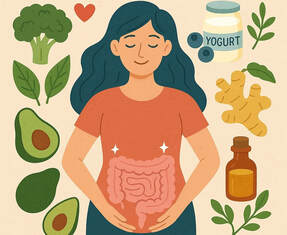
We're back this week with the next installment in our gut health series, and this week, we're sharing some healing tips and modalities for improving your gut health naturally.
As we've discussed, your gut is a lot more than just a digestive organ – it's the foundation of your overall health. When your gut functions optimally, your entire body benefits. Unfortunately, modern lifestyles have created the perfect storm for gut dysfunction, with processed foods, chronic stress, and environmental toxins damaging our delicate intestinal balance.
The good news? Nature provides everything needed to restore gut health, and proper guidance on natural healing methods can transform your digestive health and overall well-being! Check out the tips and strategies below for lots of helpful ideas for healing your gut and enjoying the benefits of a healthy and balanced gut microbiome.
As we've discussed, your gut is a lot more than just a digestive organ – it's the foundation of your overall health. When your gut functions optimally, your entire body benefits. Unfortunately, modern lifestyles have created the perfect storm for gut dysfunction, with processed foods, chronic stress, and environmental toxins damaging our delicate intestinal balance.
The good news? Nature provides everything needed to restore gut health, and proper guidance on natural healing methods can transform your digestive health and overall well-being! Check out the tips and strategies below for lots of helpful ideas for healing your gut and enjoying the benefits of a healthy and balanced gut microbiome.
Why Your Gut Health Matters More Than You Think
Many health problems seemingly unrelated to digestion – from anxiety to skin conditions to autoimmune disorders – can often be traced back to gut dysfunction. Your gut contains trillions of microorganisms that influence virtually every aspect of your physiology! When this ecosystem falls out of balance, it doesn't just cause digestive discomfort; it creates systemic inflammation that can manifest in countless ways throughout your body. Understanding this connection is the first step toward healing.
The Gut-Brain Connection: How Digestive Issues Impact Your Whole Body
The communication highway between your gut and brain is called the gut-brain axis, and it's revolutionizing how we understand health. Your gut produces over 90% of your body's serotonin – the "happiness hormone" – and houses more neurons than your spinal cord. This explains why digestive distress frequently accompanies anxiety, depression, and cognitive issues. Healing your gut naturally often resolves these seemingly unrelated symptoms, creating improvements far beyond digestion.
The Microbiome's Role in Overall Health
Your microbiome – the collection of bacteria, fungi, and other microorganisms living in your gut – functions like an additional organ. These microbes help digest food, produce essential vitamins, regulate your immune system, and even influence your metabolism and weight. A diverse microbiome with plenty of beneficial species is essential for optimal health. When harmful bacteria outnumber beneficial ones, a condition called dysbiosis occurs, triggering inflammation and compromising your intestinal barrier function. Restoring microbial diversity through natural methods is foundational to gut healing.
How Gut Health Affects Your Immune System
Approximately 70-80% of your immune tissue resides in your gut, making intestinal health inseparable from immune function. The intestinal lining serves as a critical barrier, allowing nutrients to pass while blocking harmful substances. When this barrier becomes compromised – a condition often called "leaky gut" – undigested food particles and toxins can enter your bloodstream, triggering immune reactions throughout your body. This persistent immune activation leads to systemic inflammation, contributing to everything from seasonal allergies to autoimmune conditions. Healing your gut naturally strengthens this barrier and calms overactive immune responses.
Mental Health Symptoms Linked to Poor Gut Function
Brain fog, anxiety, depression, and mood swings are frequently connected to gut imbalances through multiple pathways. Inflammation stemming from gut dysfunction affects neurotransmitter production and function. Certain gut bacteria produce neurotoxic compounds when your microbiome is imbalanced. Additionally, nutritional deficiencies resulting from poor digestion can impact brain health by limiting the raw materials needed for optimal cognitive function. Many people experience dramatic improvements in mental clarity and emotional stability when implementing natural gut healing protocols. The gut-brain connection explains why digestive healing often resolves seemingly unrelated neurological and psychological symptoms.
7 Powerful Foods That Repair Your Gut Lining
Nature provides specific foods with exceptional gut-healing properties! These foods contain compounds that reduce intestinal inflammation, provide the building blocks for repair, and foster beneficial bacteria growth. Incorporating them systematically can dramatically accelerate your healing process and provide lasting digestive relief.
1. Bone Broth: Nature's Gut Healer
Bone broth stands as perhaps the most powerful gut-healing food available. Simmering animal bones for extended periods releases gelatin, collagen, glycine, proline, and glutamine – nutrients that specifically repair and strengthen the intestinal lining. These compounds soothe inflammation while providing the precise building blocks your body needs to regenerate damaged gut tissue. For maximum benefit, consume 8-16 ounces daily, preferably from grass-fed sources. Many people notice improved digestion within days of adding quality bone broth to their routine.
2. Fermented Foods Rich in Probiotics
Fermented foods deliver living beneficial bacteria directly to your gut, helping restore microbial balance. Traditional options like sauerkraut, kimchi, kefir, and yogurt contain diverse probiotic strains that commercial supplements often lack. These foods also provide organic acids that create an optimal environment for beneficial bacteria to thrive. For those new to fermented foods, start with just one teaspoon daily and gradually increase to prevent potential die-off reactions. Look for unpasteurized versions in the refrigerated section, as heat processing kills the beneficial microbes.
3. Prebiotic-Rich Foods That Feed Good Bacteria
While probiotics introduce beneficial bacteria, prebiotics provide the specific fibers these microbes need to flourish. Foods like garlic, onions, leeks, asparagus, Jerusalem artichokes, and slightly green bananas contain indigestible fibers that selectively feed beneficial bacteria. When these microbes metabolize prebiotic fibers, they produce short-chain fatty acids like butyrate, which heal and strengthen your intestinal lining. Incorporating a variety of prebiotic foods supports microbial diversity, a key marker of gut health. Start with small amounts if you have significant digestive sensitivity.
4. Anti-Inflammatory Turmeric and Ginger
Chronic inflammation lies at the heart of most gut problems, making anti-inflammatory foods essential for healing. Turmeric contains curcumin, a compound with powerful inflammation-fighting properties comparable to some medications but without the side effects. Ginger soothes intestinal irritation, reduces bloating, and improves digestive motility. For maximum absorption, combine turmeric with black pepper and a healthy fat. Fresh is always best, but high-quality supplements can be effective when used consistently. These spices work gradually to reduce intestinal inflammation, so consistent daily use provides the best results. For more tips on gut healing, check out these gut healing strategies.
5. Collagen-Rich Foods for Intestinal Repair
Your intestinal lining regenerates approximately every 5-7 days, requiring specific building blocks for proper repair. Collagen-rich foods provide these essential materials, particularly the amino acids glycine and proline. Beyond bone broth, consider incorporating beef tendon, chicken skin, and slow-cooked meat dishes that break down connective tissue. Collagen supplements derived from grass-fed sources can also be beneficial when whole-food sources aren't practical. For vegetarians, focus on nutrients that support your body's own collagen production, including vitamin C, silicon, and specific amino acids found in beans and legumes.
Eliminate These Gut-Damaging Foods Immediately
Removing irritants is just as important as adding healing foods. Certain substances directly damage your intestinal lining, disrupt microbial balance, and trigger inflammation. Identifying and eliminating these foods, even temporarily, often brings rapid relief and creates the foundation for deeper healing.
Inflammatory Oils That Destroy Gut Balance
Industrially processed seed oils like soybean, corn, canola, and safflower contain high levels of omega-6 fatty acids that promote inflammation when consumed in excess. These oils are easily oxidized, creating compounds that damage intestinal cells and disrupt the gut barrier. They're ubiquitous in processed foods, restaurant meals, and even products marketed as "healthy." Replace these damaging oils with anti-inflammatory alternatives like extra virgin olive oil, avocado oil, and coconut oil. For cooking at higher temperatures, choose more stable fats like ghee or avocado oil that won't oxidize easily.
Hidden Gluten Sources That Irritate Your Intestines
Gluten proteins can damage the intestinal lining in sensitive individuals, not just those with celiac disease. Many people experience significant gut healing when eliminating gluten completely, even when they don't have obvious digestive symptoms after consuming it. Beyond obvious sources like bread and pasta, gluten hides in soy sauce, processed meats, soups, sauces, and even some supplements and medications. A thorough elimination requires careful label reading and kitchen cleaning to remove all traces. Most people benefit from at least a 30-day complete elimination to assess how gluten affects their individual gut health.
Sugar's Devastating Effect on Gut Flora
Refined sugar and high-fructose corn syrup feed harmful bacteria and yeast while suppressing beneficial species, creating microbial imbalance. Sugar also promotes intestinal permeability and increases inflammation throughout the digestive tract. Even natural sweeteners like honey and maple syrup should be minimized during intensive gut healing. Instead, satisfy sweet cravings with small amounts of whole fruit, particularly berries which contain beneficial plant compounds. Many gut issues show remarkable improvement simply by eliminating added sugars, often reducing symptoms like bloating and irregularity within days.
The Problem With Processed Foods
Ultra-processed foods combine multiple gut irritants – inflammatory oils, refined carbohydrates, sugar, artificial additives, and preservatives – creating the perfect storm for digestive damage. These foods lack the fiber and nutrients needed for gut health while containing compounds that disrupt microbial balance and intestinal function. Emulsifiers commonly found in processed foods directly damage the protective mucus layer in your intestines. Food additives like carrageenan, xanthan gum, and carboxymethylcellulose can trigger inflammation and digestive distress in sensitive individuals. Focus on whole, single-ingredient foods as the foundation of gut healing.
The 3-Phase Gut Healing Protocol That Actually Works
Sustainable gut healing follows a systematic approach rather than randomly trying supplements or elimination diets. This three-phase protocol addresses the root causes of digestive dysfunction in the correct sequence, allowing for true healing rather than temporary symptom relief. Each phase builds upon the previous one, creating lasting improvements in digestive function and overall health.
Phase 1: Remove Irritants and Reduce Inflammation
The first critical step in gut healing involves removing the substances causing damage and inflammation. This means eliminating processed foods, inflammatory oils, refined sugar, and common irritants like gluten and dairy for at least 30 days. Simultaneously, incorporate anti-inflammatory foods like bone broth, wild-caught fish, and turmeric to actively reduce existing inflammation. This removal phase often brings noticeable symptom improvement within days as your intestinal tissue gets a chance to recover from constant irritation. Stick with this phase for at least 2-4 weeks before moving to repair, even if symptoms improve quickly.
Phase 2: Repair the Gut Lining
Once irritants are removed, your intestinal tissue can begin true repair work. This phase focuses on providing the specific nutrients needed to rebuild the gut lining. Consume bone broth daily for its collagen, gelatin, and amino acids that directly support tissue regeneration. L-glutamine, an amino acid that serves as the preferred fuel for intestinal cells, becomes particularly important during this phase. Zinc, vitamin A, and vitamin D also play crucial roles in cellular repair and tight junction formation. This repair phase typically requires 1-3 months of consistent effort, depending on your initial gut damage.
Phase 3: Rebalance Your Microbiome
With inflammation reduced and the gut lining repaired, you can effectively rebalance your gut flora. This phase emphasizes diverse prebiotic fibers to feed beneficial bacteria and carefully selected fermented foods to introduce living probiotics. Polyphenol-rich foods like berries, herbs, and dark chocolate also support microbial diversity. Some people benefit from targeted probiotic supplements during this phase, particularly soil-based organisms that help crowd out opportunistic bacteria. Microbiome rebalancing is an ongoing process that continues indefinitely as part of your maintenance strategy, though significant improvements often occur within 1-2 months.
How to Know When You're Ready for Each Phase
Moving between phases should be guided by your body's response rather than rigid timelines. Phase 1 is complete when your most acute symptoms have diminished, typically showing as reduced bloating, more regular bowel movements, and decreased pain or discomfort. You're ready for Phase 3 when you can tolerate a wider variety of foods without immediate digestive upset, signaling improved gut barrier function. If symptoms return when introducing new foods or supplements, it may indicate you need more time in your current phase. Listen to your body's signals and adjust accordingly, as healing timeframes vary widely between individuals.
5 Gut-Healing Supplements Backed by Science
While food forms the foundation of gut healing, strategic supplementation can accelerate the process, especially for those with significant damage. These evidence-based supplements directly support specific aspects of gut function and repair. Always start with the lowest effective dose and introduce one supplement at a time to monitor your response.
1. L-Glutamine: The Gut Lining's Best Friend
L-glutamine serves as the primary fuel source for enterocytes, the cells lining your small intestine. During times of stress or illness, your body's demand for this amino acid exceeds what diet alone can provide. Supplemental L-glutamine has been shown to reduce intestinal permeability and support the growth of new intestinal cells. Start with 5 grams daily on an empty stomach, gradually increasing to 10-20 grams if needed. Most people notice improved digestion within 2-3 weeks of consistent use. Those with histamine sensitivity should introduce L-glutamine cautiously, as some individuals may react to it.
2. Digestive Enzymes: When and How to Use Them
Digestive enzymes break down proteins, fats, and carbohydrates, reducing the workload on your digestive system while you heal. They're particularly helpful for those with pancreatic insufficiency, low stomach acid, or a history of gallbladder removal. Different formulations target different macronutrients, so choose enzymes that address your specific digestive challenges. Take them at the beginning of meals containing the nutrients they target. While not a permanent solution, enzymes provide symptomatic relief during the healing process, allowing better nutrient absorption and reduced digestive distress.
3. Zinc Carnosine for Intestinal Repair
This specialized form of zinc combines the mineral with L-carnosine, creating a compound that adheres to the gut lining and promotes healing. Research shows zinc carnosine helps regenerate damaged intestinal tissue, reduces inflammation, and fights H. pylori infection. The typical therapeutic dose is 75-150mg twice daily between meals. Unlike regular zinc supplements, zinc carnosine doesn't cause the nausea sometimes associated with zinc supplementation. It's particularly beneficial for those with ulcers, gastritis, or significant intestinal damage from medications or infections.
4. Specific Probiotic Strains for Common Gut Issues
Different probiotic strains have unique effects in the gut, making strain-specific selection important. For diarrhea and antibiotic recovery, Saccharomyces boulardii and Lactobacillus rhamnosus GG show strong evidence. Bifidobacterium infantis 35624 specifically helps those with IBS symptoms. Soil-based organisms like Bacillus coagulans and Bacillus subtilis can help crowd out harmful bacteria without causing the bloating sometimes experienced with Lactobacillus probiotics. Choose products with guaranteed potency through the expiration date, proper storage requirements, and demonstrated acid and bile resistance to ensure the probiotics actually reach your intestines alive.
5. Slippery Elm and Marshmallow Root for Soothing Relief
These traditional botanical remedies contain mucilage, a gel-like substance that coats and protects irritated intestinal tissue. Slippery elm forms a protective layer over the gut lining, reducing irritation and absorbing toxins. Marshmallow root calms inflammation and can help repair damage to the gut's protective mucus layer. Both can be taken as powders mixed with water, as capsules, or as teas between meals. These gentle herbs provide immediate soothing while supporting the longer-term healing process. They're particularly helpful during the early healing stages when intestinal sensitivity is highest.
Natural Solutions for Common Digestive Problems
While addressing root causes, you may need targeted solutions for specific symptoms. These natural approaches provide relief without interfering with the healing process. They address the mechanisms behind common digestive complaints rather than merely masking symptoms.
Bloating and Gas: Quick Relief Strategies
Bloating often stems from bacterial fermentation of certain carbohydrates or slow gut motility. Activated charcoal can absorb gas-producing compounds, providing temporary relief. Ginger tea stimulates digestive movement, helping trapped gas pass more quickly. Specific carminative herbs like fennel, anise, and caraway contain compounds that relax the intestinal muscles and dispel gas. Mechanical techniques like abdominal self-massage following the direction of the colon (up the right side, across, and down the left side) can manually move trapped gas through the system. For long-term improvement, identify trigger foods through careful tracking and consider a temporary low-FODMAP approach to reduce fermentable carbohydrates.
Addressing Chronic Constipation Without Harsh Laxatives
Natural constipation relief focuses on restoring proper motility rather than forcing evacuation. Magnesium citrate or glycinate relaxes intestinal muscles and draws water into the bowel without dependency issues. Ground flaxseed provides both soluble and insoluble fiber along with lubricating oils that facilitate easier passage. Adequate hydration is essential – aim for half your body weight in ounces of water daily. Simple movements like squatting, walking after meals, and gentle yoga poses that compress and release the abdomen stimulate the migrating motor complex that controls intestinal movement. For stubborn cases, triphala, an Ayurvedic herbal combination, gently promotes elimination without the cramping associated with stimulant laxatives.
Acid Reflux: Beyond Antacids
Contrary to popular belief, acid reflux often stems from too little stomach acid rather than too much, particularly as we age. Supporting proper acid production with apple cider vinegar (1 tablespoon in water before meals) or betaine HCl supplements can actually reduce reflux symptoms by improving digestion and preventing bacterial overgrowth. Deglycyrrhizinated licorice (DGL) tablets chewed before meals strengthen the protective mucus layer in the esophagus and stomach. Elevating the head of your bed by 6 inches and avoiding eating within three hours of bedtime prevents nighttime reflux by working with gravity. For many, simply eliminating trigger foods like tomatoes, coffee, chocolate, and alcohol provides complete relief without medication.
IBS Management Through Natural Methods
Irritable Bowel Syndrome responds remarkably well to natural approaches. Enteric-coated peppermint oil capsules reduce pain and spasms by relaxing intestinal smooth muscle. Regular moderate exercise decreases stress hormones that trigger IBS flares. The gut-directed hypnotherapy protocol developed at Manchester University has shown effectiveness comparable to medications for reducing IBS symptoms. For many, a temporary low-FODMAP diet identifies specific carbohydrate triggers that can then be avoided or carefully limited. Stress management becomes particularly important for IBS, as the condition strongly correlates with the gut-brain connection. Many find complete resolution through a comprehensive approach that addresses diet, stress, microbiome balance, and intestinal motility.
Lifestyle Changes That Transform Gut Health
Diet alone cannot fully heal your gut if lifestyle factors continue to damage it. These foundational practices create the optimal environment for digestive restoration. They address the often-overlooked non-food aspects of gut health that can make or break your healing journey.
The Stress-Gut Connection and How to Break It
Chronic stress directly damages your gut lining and alters microbial balance through multiple pathways. During stress, blood diverts away from your digestive organs, reducing function and repair capacity. Stress hormones like cortisol increase intestinal permeability and promote inflammation. Breaking this cycle requires intentional stress management practices. Diaphragmatic breathing activates the vagus nerve, switching your body from fight-or-flight to rest-and-digest mode. Regular meditation has been shown to reduce intestinal inflammation and improve symptoms in IBS patients. Even simple practices like eating in a relaxed environment without distractions can significantly improve digestion by activating your parasympathetic nervous system.
Sleep Quality's Impact on Digestion
Poor sleep disrupts gut healing through multiple mechanisms. Sleep deprivation increases cortisol, promoting intestinal permeability and inflammation. It also alters your microbiome composition and reduces the gut's overnight repair processes. Prioritize 7-9 hours of quality sleep in a cool, dark room. Avoid blue light from screens 2-3 hours before bed, as it suppresses melatonin production. Establish consistent sleep and wake times to regulate your circadian rhythm, which governs many digestive functions. Some find that elevating the head of the bed slightly improves digestion and sleep quality by preventing reflux during sleep. The gut-brain connection works both ways – as your gut heals, sleep often improves, creating a positive cycle.
Movement Patterns That Stimulate Healthy Gut Function
Regular physical activity dramatically improves gut health through multiple mechanisms. Exercise increases beneficial short-chain fatty acid production, reduces intestinal inflammation, and enhances microbial diversity. It stimulates the migrating motor complex, improving digestive transit and preventing bacterial overgrowth. Gentle activities like walking, yoga, and swimming are particularly beneficial during gut healing, as intense exercise can temporarily increase intestinal permeability. Specific yoga poses like twists, forward folds, and gentle inversions mechanically stimulate digestion by compressing and releasing the abdominal organs. Even brief movement breaks throughout the day are more beneficial than a single workout followed by prolonged sitting.
The Sauerkraut Protocol: A Step-by-Step Guide
Of all the probiotic foods, properly fermented sauerkraut offers unique benefits for gut healing. This simple cabbage preparation delivers diverse probiotic strains along with fiber, enzymes, and phytonutrients that synergistically support digestive health. Following a systematic introduction protocol maximizes benefits while minimizing potential reactions as your gut flora adjusts.
Why This Method Works Better Than Probiotic Pills
Traditional fermented sauerkraut contains a more diverse array of beneficial bacteria than most commercial probiotics, often providing 100+ strains compared to the 1-10 in typical supplements! These organisms arrive with their preferred food source (cabbage fiber), increasing colonization potential. The natural acids produced during fermentation create an environment that supports probiotic survival through the stomach acid barrier. Additionally, fermentation pre-digests the cabbage, making its nutrients more bioavailable and easier to digest for compromised systems.
The living microorganisms in properly prepared sauerkraut adapt to your specific gut environment, with the most beneficial strains for your individual needs naturally proliferating. This personalized approach contrasts with manufactured probiotics that contain predetermined strains in fixed ratios regardless of your unique needs. For most people, this translates to better tolerance and more sustainable improvements than with isolated probiotic supplements.
How to Properly Introduce Fermented Foods
Begin with just 1/4 teaspoon of sauerkraut juice (not the solids) daily with a meal, preferably breakfast when digestive capacity is highest. Increase by 1/4 teaspoon every 3-4 days as tolerated, working up to 1-2 tablespoons of juice. Only after reaching this level without reactions should you begin introducing the actual sauerkraut solids, starting with 1/4 teaspoon and gradually increasing. This slow introduction prevents overwhelming your system and minimizes die-off reactions. Choose unpasteurized sauerkraut from the refrigerated section (not shelf-stable versions) - or make your own - to ensure living probiotics, ideally made with organic cabbage and containing only cabbage and salt without preservatives or additives.
Managing Die-Off Symptoms Successfully
As beneficial bacteria multiply and displace harmful microbes, temporary symptoms known as die-off or Herxheimer reactions may occur. These can include mild headaches, fatigue, skin eruptions, or digestive upset as your body processes microbial toxins. Support your detoxification pathways during this time with adequate hydration, gentle liver-supporting herbs like dandelion root tea, and sufficient dietary fiber to bind and eliminate toxins. If symptoms are more than mild, slow down your progression with fermented foods, returning to the previous well-tolerated amount until symptoms subside. Epsom salt baths can help draw out toxins through the skin, easing the burden on your digestive detoxification pathways. Remember that mild die-off symptoms usually resolve within 3-7 days and indicate positive microbial shifts occurring.
Your 30-Day Gut Reset Plan
This structured approach provides a clear roadmap for comprehensive gut healing. It systematically addresses the key aspects of digestive restoration in the correct sequence. Following this plan for 30 days often creates noticeable improvements that motivate continued healing work. The gradual progression helps prevent overwhelming your system while building sustainable habits.
Week 1: Removing Triggers
Begin by eliminating the major gut irritants: gluten, dairy, processed sugar, industrial seed oils, alcohol, and ultra-processed foods. Focus on simple, whole foods like quality proteins, low-starch vegetables, and healthy fats. Start each day with warm lemon water to stimulate digestive function and support gentle detoxification. Introduce bone broth gradually, beginning with 4 ounces daily and working up to 8-12 ounces. Keep a detailed food and symptom journal to identify patterns and potential trigger foods specific to your body. This elimination week often brings rapid improvement in symptoms like bloating, energy levels, and mental clarity as inflammatory triggers are removed.
Week 2: Introducing Healing Foods
Continue the elimination protocol while strategically adding gut-healing foods. Incorporate small amounts of cooked and cooled resistant starch like sweet potatoes to feed beneficial bacteria. Begin the sauerkraut protocol with 1/4 teaspoon of juice, increasing gradually as tolerated. Add anti-inflammatory herbs and spices to each meal, particularly ginger, turmeric with black pepper, and cinnamon. Include fatty fish like salmon 2-3 times this week for their omega-3 content that helps resolve intestinal inflammation. Focus on thoroughly chewing each bite to reduce digestive burden and enhance enzyme contact with food particles, aiming for 20-30 chews per mouthful.
Week 3: Supplement Strategy
Introduce targeted supplements to accelerate healing, beginning with digestive support. Start with a comprehensive digestive enzyme taken with meals and a quality probiotic matched to your specific symptoms. Add 5 grams of L-glutamine powder on an empty stomach, divided into two daily doses. Those with significant inflammation may benefit from adding a curcumin supplement with enhanced absorption. For intestinal repair, consider adding zinc carnosine and/or a gut-specific healing formula containing ingredients like slippery elm, marshmallow root, and aloe vera. Introduce only one new supplement every 2-3 days to monitor individual responses and prevent confusing reactions.
During this supplement phase, continue expanding your intake of fermented foods according to the protocol. Pay special attention to hydration, as many healing processes require adequate water. Be particularly mindful of bowel regularity during this phase, as increased die-off can sometimes cause temporary constipation that may require additional magnesium or vitamin C to address.
Common Healing Reactions and How to Address Them
Temporary symptom flares during healing are normal and often indicate positive changes. Headaches typically respond to increased water intake and gentle movement. Digestive upset usually means you're moving too quickly – scale back to the previous well-tolerated level. Skin eruptions indicate detoxification through the skin; support with dry brushing and adequate hydration. Fatigue suggests your body is directing energy toward repair; honor this by allowing extra rest.
Remember that healing reactions are temporary and typically resolve within 3-7 days. If symptoms persist longer or are severe, slow down your protocol and consider consulting with a healthcare provider familiar with gut healing. The goal is progress, not perfection, and healing should feel manageable even if occasionally uncomfortable.
By week three, many people notice significant improvements in digestive function, energy levels, and symptoms that previously seemed unrelated to gut health. These positive changes provide motivation to continue the healing process and often create a foundation for lasting health improvements.
Week 4: Rebuilding Gut Flora
The final week focuses on diversifying your microbiome with varied plant fibers. Aim to include 30 different plant foods this week, focusing on variety rather than quantity. Introduce small amounts of properly prepared legumes if tolerated, starting with lentils which tend to be gentler on digestion. Experiment with different fermented foods beyond sauerkraut, such as kimchi, water kefir, or coconut yogurt, using the same gradual introduction method. Incorporate polyphenol-rich foods like berries, green tea, and extra virgin olive oil that selectively feed beneficial bacteria. This is also the time to begin reintroducing small amounts of eliminated foods one at a time, waiting 72 hours between each to clearly identify any reactions.
Signs Your Gut Is Healing
Successful gut healing manifests through multiple improvements beyond just digestive comfort. Regular, well-formed bowel movements occurring 1-3 times daily indicate restored function. Food sensitivities often diminish as your intestinal barrier strengthens, allowing more dietary flexibility. Energy levels stabilize without the afternoon crashes common with gut dysfunction. Mental clarity improves as inflammation decreases and nutrient absorption enhances. Skin conditions like eczema, rosacea, and acne often clear substantially. Sleep quality deepens as the gut-brain axis rebalances, and many report improved mood stability and reduced anxiety.
Healing also brings more subtle changes like reduced cravings for sugar and processed foods as your microbiome rebalances. You may notice improved tolerance for previously problematic foods, though some sensitivities may remain and require ongoing management. Trust these real-world indicators more than any test result, as they reflect your body's true functional improvements.
When Should You See a Doctor About Digestive Issues?
While natural gut healing methods address many digestive concerns, these red-flag symptoms warrant medical evaluation to rule out serious conditions:
The approaches outlined in this article can complement medical treatment but shouldn't replace appropriate diagnostic workup when concerning symptoms are present. Many functional medicine practitioners and naturopathic doctors specialize in gut health and can provide testing and guidance that bridges conventional and natural approaches.
Take Back Your Digestive Health Today
Your gut healing journey requires patience and consistency, but even small steps create meaningful progress!Begin with whatever aspect feels most manageable – perhaps eliminating one inflammatory food, adding daily bone broth, or implementing stress reduction practices before meals. Every positive choice compounds, creating momentum toward comprehensive healing. Remember that your body possesses remarkable regenerative capacity when given the right support! With time and the natural methods outlined here, you can restore your digestive function and experience the profound health benefits that flow from gut healing.
Remember that gut healing isn't just about resolving digestive symptoms – it's about creating the foundation for whole-body health! The gut-brain connection means improvements in digestive function often create cascading benefits for energy, mood, cognitive function, and even longevity. Each positive step you take supports not just current comfort but long-term health resilience.
Your gut healing journey is unique to your body and circumstances. The natural methods outlined here provide a comprehensive framework that can be customized to your specific needs and adjusted as you progress. Pay attention to how your body responds, celebrate improvements, and be patient with the process. With consistent attention to diet, lifestyle, and targeted natural supplements, most people can achieve significant improvements in gut function and overall wellbeing.
To your health,
Rose.
Many health problems seemingly unrelated to digestion – from anxiety to skin conditions to autoimmune disorders – can often be traced back to gut dysfunction. Your gut contains trillions of microorganisms that influence virtually every aspect of your physiology! When this ecosystem falls out of balance, it doesn't just cause digestive discomfort; it creates systemic inflammation that can manifest in countless ways throughout your body. Understanding this connection is the first step toward healing.
The Gut-Brain Connection: How Digestive Issues Impact Your Whole Body
The communication highway between your gut and brain is called the gut-brain axis, and it's revolutionizing how we understand health. Your gut produces over 90% of your body's serotonin – the "happiness hormone" – and houses more neurons than your spinal cord. This explains why digestive distress frequently accompanies anxiety, depression, and cognitive issues. Healing your gut naturally often resolves these seemingly unrelated symptoms, creating improvements far beyond digestion.
The Microbiome's Role in Overall Health
Your microbiome – the collection of bacteria, fungi, and other microorganisms living in your gut – functions like an additional organ. These microbes help digest food, produce essential vitamins, regulate your immune system, and even influence your metabolism and weight. A diverse microbiome with plenty of beneficial species is essential for optimal health. When harmful bacteria outnumber beneficial ones, a condition called dysbiosis occurs, triggering inflammation and compromising your intestinal barrier function. Restoring microbial diversity through natural methods is foundational to gut healing.
How Gut Health Affects Your Immune System
Approximately 70-80% of your immune tissue resides in your gut, making intestinal health inseparable from immune function. The intestinal lining serves as a critical barrier, allowing nutrients to pass while blocking harmful substances. When this barrier becomes compromised – a condition often called "leaky gut" – undigested food particles and toxins can enter your bloodstream, triggering immune reactions throughout your body. This persistent immune activation leads to systemic inflammation, contributing to everything from seasonal allergies to autoimmune conditions. Healing your gut naturally strengthens this barrier and calms overactive immune responses.
Mental Health Symptoms Linked to Poor Gut Function
Brain fog, anxiety, depression, and mood swings are frequently connected to gut imbalances through multiple pathways. Inflammation stemming from gut dysfunction affects neurotransmitter production and function. Certain gut bacteria produce neurotoxic compounds when your microbiome is imbalanced. Additionally, nutritional deficiencies resulting from poor digestion can impact brain health by limiting the raw materials needed for optimal cognitive function. Many people experience dramatic improvements in mental clarity and emotional stability when implementing natural gut healing protocols. The gut-brain connection explains why digestive healing often resolves seemingly unrelated neurological and psychological symptoms.
7 Powerful Foods That Repair Your Gut Lining
Nature provides specific foods with exceptional gut-healing properties! These foods contain compounds that reduce intestinal inflammation, provide the building blocks for repair, and foster beneficial bacteria growth. Incorporating them systematically can dramatically accelerate your healing process and provide lasting digestive relief.
1. Bone Broth: Nature's Gut Healer
Bone broth stands as perhaps the most powerful gut-healing food available. Simmering animal bones for extended periods releases gelatin, collagen, glycine, proline, and glutamine – nutrients that specifically repair and strengthen the intestinal lining. These compounds soothe inflammation while providing the precise building blocks your body needs to regenerate damaged gut tissue. For maximum benefit, consume 8-16 ounces daily, preferably from grass-fed sources. Many people notice improved digestion within days of adding quality bone broth to their routine.
2. Fermented Foods Rich in Probiotics
Fermented foods deliver living beneficial bacteria directly to your gut, helping restore microbial balance. Traditional options like sauerkraut, kimchi, kefir, and yogurt contain diverse probiotic strains that commercial supplements often lack. These foods also provide organic acids that create an optimal environment for beneficial bacteria to thrive. For those new to fermented foods, start with just one teaspoon daily and gradually increase to prevent potential die-off reactions. Look for unpasteurized versions in the refrigerated section, as heat processing kills the beneficial microbes.
3. Prebiotic-Rich Foods That Feed Good Bacteria
While probiotics introduce beneficial bacteria, prebiotics provide the specific fibers these microbes need to flourish. Foods like garlic, onions, leeks, asparagus, Jerusalem artichokes, and slightly green bananas contain indigestible fibers that selectively feed beneficial bacteria. When these microbes metabolize prebiotic fibers, they produce short-chain fatty acids like butyrate, which heal and strengthen your intestinal lining. Incorporating a variety of prebiotic foods supports microbial diversity, a key marker of gut health. Start with small amounts if you have significant digestive sensitivity.
4. Anti-Inflammatory Turmeric and Ginger
Chronic inflammation lies at the heart of most gut problems, making anti-inflammatory foods essential for healing. Turmeric contains curcumin, a compound with powerful inflammation-fighting properties comparable to some medications but without the side effects. Ginger soothes intestinal irritation, reduces bloating, and improves digestive motility. For maximum absorption, combine turmeric with black pepper and a healthy fat. Fresh is always best, but high-quality supplements can be effective when used consistently. These spices work gradually to reduce intestinal inflammation, so consistent daily use provides the best results. For more tips on gut healing, check out these gut healing strategies.
5. Collagen-Rich Foods for Intestinal Repair
Your intestinal lining regenerates approximately every 5-7 days, requiring specific building blocks for proper repair. Collagen-rich foods provide these essential materials, particularly the amino acids glycine and proline. Beyond bone broth, consider incorporating beef tendon, chicken skin, and slow-cooked meat dishes that break down connective tissue. Collagen supplements derived from grass-fed sources can also be beneficial when whole-food sources aren't practical. For vegetarians, focus on nutrients that support your body's own collagen production, including vitamin C, silicon, and specific amino acids found in beans and legumes.
Eliminate These Gut-Damaging Foods Immediately
Removing irritants is just as important as adding healing foods. Certain substances directly damage your intestinal lining, disrupt microbial balance, and trigger inflammation. Identifying and eliminating these foods, even temporarily, often brings rapid relief and creates the foundation for deeper healing.
Inflammatory Oils That Destroy Gut Balance
Industrially processed seed oils like soybean, corn, canola, and safflower contain high levels of omega-6 fatty acids that promote inflammation when consumed in excess. These oils are easily oxidized, creating compounds that damage intestinal cells and disrupt the gut barrier. They're ubiquitous in processed foods, restaurant meals, and even products marketed as "healthy." Replace these damaging oils with anti-inflammatory alternatives like extra virgin olive oil, avocado oil, and coconut oil. For cooking at higher temperatures, choose more stable fats like ghee or avocado oil that won't oxidize easily.
Hidden Gluten Sources That Irritate Your Intestines
Gluten proteins can damage the intestinal lining in sensitive individuals, not just those with celiac disease. Many people experience significant gut healing when eliminating gluten completely, even when they don't have obvious digestive symptoms after consuming it. Beyond obvious sources like bread and pasta, gluten hides in soy sauce, processed meats, soups, sauces, and even some supplements and medications. A thorough elimination requires careful label reading and kitchen cleaning to remove all traces. Most people benefit from at least a 30-day complete elimination to assess how gluten affects their individual gut health.
Sugar's Devastating Effect on Gut Flora
Refined sugar and high-fructose corn syrup feed harmful bacteria and yeast while suppressing beneficial species, creating microbial imbalance. Sugar also promotes intestinal permeability and increases inflammation throughout the digestive tract. Even natural sweeteners like honey and maple syrup should be minimized during intensive gut healing. Instead, satisfy sweet cravings with small amounts of whole fruit, particularly berries which contain beneficial plant compounds. Many gut issues show remarkable improvement simply by eliminating added sugars, often reducing symptoms like bloating and irregularity within days.
The Problem With Processed Foods
Ultra-processed foods combine multiple gut irritants – inflammatory oils, refined carbohydrates, sugar, artificial additives, and preservatives – creating the perfect storm for digestive damage. These foods lack the fiber and nutrients needed for gut health while containing compounds that disrupt microbial balance and intestinal function. Emulsifiers commonly found in processed foods directly damage the protective mucus layer in your intestines. Food additives like carrageenan, xanthan gum, and carboxymethylcellulose can trigger inflammation and digestive distress in sensitive individuals. Focus on whole, single-ingredient foods as the foundation of gut healing.
The 3-Phase Gut Healing Protocol That Actually Works
Sustainable gut healing follows a systematic approach rather than randomly trying supplements or elimination diets. This three-phase protocol addresses the root causes of digestive dysfunction in the correct sequence, allowing for true healing rather than temporary symptom relief. Each phase builds upon the previous one, creating lasting improvements in digestive function and overall health.
Phase 1: Remove Irritants and Reduce Inflammation
The first critical step in gut healing involves removing the substances causing damage and inflammation. This means eliminating processed foods, inflammatory oils, refined sugar, and common irritants like gluten and dairy for at least 30 days. Simultaneously, incorporate anti-inflammatory foods like bone broth, wild-caught fish, and turmeric to actively reduce existing inflammation. This removal phase often brings noticeable symptom improvement within days as your intestinal tissue gets a chance to recover from constant irritation. Stick with this phase for at least 2-4 weeks before moving to repair, even if symptoms improve quickly.
Phase 2: Repair the Gut Lining
Once irritants are removed, your intestinal tissue can begin true repair work. This phase focuses on providing the specific nutrients needed to rebuild the gut lining. Consume bone broth daily for its collagen, gelatin, and amino acids that directly support tissue regeneration. L-glutamine, an amino acid that serves as the preferred fuel for intestinal cells, becomes particularly important during this phase. Zinc, vitamin A, and vitamin D also play crucial roles in cellular repair and tight junction formation. This repair phase typically requires 1-3 months of consistent effort, depending on your initial gut damage.
Phase 3: Rebalance Your Microbiome
With inflammation reduced and the gut lining repaired, you can effectively rebalance your gut flora. This phase emphasizes diverse prebiotic fibers to feed beneficial bacteria and carefully selected fermented foods to introduce living probiotics. Polyphenol-rich foods like berries, herbs, and dark chocolate also support microbial diversity. Some people benefit from targeted probiotic supplements during this phase, particularly soil-based organisms that help crowd out opportunistic bacteria. Microbiome rebalancing is an ongoing process that continues indefinitely as part of your maintenance strategy, though significant improvements often occur within 1-2 months.
How to Know When You're Ready for Each Phase
Moving between phases should be guided by your body's response rather than rigid timelines. Phase 1 is complete when your most acute symptoms have diminished, typically showing as reduced bloating, more regular bowel movements, and decreased pain or discomfort. You're ready for Phase 3 when you can tolerate a wider variety of foods without immediate digestive upset, signaling improved gut barrier function. If symptoms return when introducing new foods or supplements, it may indicate you need more time in your current phase. Listen to your body's signals and adjust accordingly, as healing timeframes vary widely between individuals.
5 Gut-Healing Supplements Backed by Science
While food forms the foundation of gut healing, strategic supplementation can accelerate the process, especially for those with significant damage. These evidence-based supplements directly support specific aspects of gut function and repair. Always start with the lowest effective dose and introduce one supplement at a time to monitor your response.
1. L-Glutamine: The Gut Lining's Best Friend
L-glutamine serves as the primary fuel source for enterocytes, the cells lining your small intestine. During times of stress or illness, your body's demand for this amino acid exceeds what diet alone can provide. Supplemental L-glutamine has been shown to reduce intestinal permeability and support the growth of new intestinal cells. Start with 5 grams daily on an empty stomach, gradually increasing to 10-20 grams if needed. Most people notice improved digestion within 2-3 weeks of consistent use. Those with histamine sensitivity should introduce L-glutamine cautiously, as some individuals may react to it.
2. Digestive Enzymes: When and How to Use Them
Digestive enzymes break down proteins, fats, and carbohydrates, reducing the workload on your digestive system while you heal. They're particularly helpful for those with pancreatic insufficiency, low stomach acid, or a history of gallbladder removal. Different formulations target different macronutrients, so choose enzymes that address your specific digestive challenges. Take them at the beginning of meals containing the nutrients they target. While not a permanent solution, enzymes provide symptomatic relief during the healing process, allowing better nutrient absorption and reduced digestive distress.
3. Zinc Carnosine for Intestinal Repair
This specialized form of zinc combines the mineral with L-carnosine, creating a compound that adheres to the gut lining and promotes healing. Research shows zinc carnosine helps regenerate damaged intestinal tissue, reduces inflammation, and fights H. pylori infection. The typical therapeutic dose is 75-150mg twice daily between meals. Unlike regular zinc supplements, zinc carnosine doesn't cause the nausea sometimes associated with zinc supplementation. It's particularly beneficial for those with ulcers, gastritis, or significant intestinal damage from medications or infections.
4. Specific Probiotic Strains for Common Gut Issues
Different probiotic strains have unique effects in the gut, making strain-specific selection important. For diarrhea and antibiotic recovery, Saccharomyces boulardii and Lactobacillus rhamnosus GG show strong evidence. Bifidobacterium infantis 35624 specifically helps those with IBS symptoms. Soil-based organisms like Bacillus coagulans and Bacillus subtilis can help crowd out harmful bacteria without causing the bloating sometimes experienced with Lactobacillus probiotics. Choose products with guaranteed potency through the expiration date, proper storage requirements, and demonstrated acid and bile resistance to ensure the probiotics actually reach your intestines alive.
5. Slippery Elm and Marshmallow Root for Soothing Relief
These traditional botanical remedies contain mucilage, a gel-like substance that coats and protects irritated intestinal tissue. Slippery elm forms a protective layer over the gut lining, reducing irritation and absorbing toxins. Marshmallow root calms inflammation and can help repair damage to the gut's protective mucus layer. Both can be taken as powders mixed with water, as capsules, or as teas between meals. These gentle herbs provide immediate soothing while supporting the longer-term healing process. They're particularly helpful during the early healing stages when intestinal sensitivity is highest.
Natural Solutions for Common Digestive Problems
While addressing root causes, you may need targeted solutions for specific symptoms. These natural approaches provide relief without interfering with the healing process. They address the mechanisms behind common digestive complaints rather than merely masking symptoms.
Bloating and Gas: Quick Relief Strategies
Bloating often stems from bacterial fermentation of certain carbohydrates or slow gut motility. Activated charcoal can absorb gas-producing compounds, providing temporary relief. Ginger tea stimulates digestive movement, helping trapped gas pass more quickly. Specific carminative herbs like fennel, anise, and caraway contain compounds that relax the intestinal muscles and dispel gas. Mechanical techniques like abdominal self-massage following the direction of the colon (up the right side, across, and down the left side) can manually move trapped gas through the system. For long-term improvement, identify trigger foods through careful tracking and consider a temporary low-FODMAP approach to reduce fermentable carbohydrates.
Addressing Chronic Constipation Without Harsh Laxatives
Natural constipation relief focuses on restoring proper motility rather than forcing evacuation. Magnesium citrate or glycinate relaxes intestinal muscles and draws water into the bowel without dependency issues. Ground flaxseed provides both soluble and insoluble fiber along with lubricating oils that facilitate easier passage. Adequate hydration is essential – aim for half your body weight in ounces of water daily. Simple movements like squatting, walking after meals, and gentle yoga poses that compress and release the abdomen stimulate the migrating motor complex that controls intestinal movement. For stubborn cases, triphala, an Ayurvedic herbal combination, gently promotes elimination without the cramping associated with stimulant laxatives.
Acid Reflux: Beyond Antacids
Contrary to popular belief, acid reflux often stems from too little stomach acid rather than too much, particularly as we age. Supporting proper acid production with apple cider vinegar (1 tablespoon in water before meals) or betaine HCl supplements can actually reduce reflux symptoms by improving digestion and preventing bacterial overgrowth. Deglycyrrhizinated licorice (DGL) tablets chewed before meals strengthen the protective mucus layer in the esophagus and stomach. Elevating the head of your bed by 6 inches and avoiding eating within three hours of bedtime prevents nighttime reflux by working with gravity. For many, simply eliminating trigger foods like tomatoes, coffee, chocolate, and alcohol provides complete relief without medication.
IBS Management Through Natural Methods
Irritable Bowel Syndrome responds remarkably well to natural approaches. Enteric-coated peppermint oil capsules reduce pain and spasms by relaxing intestinal smooth muscle. Regular moderate exercise decreases stress hormones that trigger IBS flares. The gut-directed hypnotherapy protocol developed at Manchester University has shown effectiveness comparable to medications for reducing IBS symptoms. For many, a temporary low-FODMAP diet identifies specific carbohydrate triggers that can then be avoided or carefully limited. Stress management becomes particularly important for IBS, as the condition strongly correlates with the gut-brain connection. Many find complete resolution through a comprehensive approach that addresses diet, stress, microbiome balance, and intestinal motility.
Lifestyle Changes That Transform Gut Health
Diet alone cannot fully heal your gut if lifestyle factors continue to damage it. These foundational practices create the optimal environment for digestive restoration. They address the often-overlooked non-food aspects of gut health that can make or break your healing journey.
The Stress-Gut Connection and How to Break It
Chronic stress directly damages your gut lining and alters microbial balance through multiple pathways. During stress, blood diverts away from your digestive organs, reducing function and repair capacity. Stress hormones like cortisol increase intestinal permeability and promote inflammation. Breaking this cycle requires intentional stress management practices. Diaphragmatic breathing activates the vagus nerve, switching your body from fight-or-flight to rest-and-digest mode. Regular meditation has been shown to reduce intestinal inflammation and improve symptoms in IBS patients. Even simple practices like eating in a relaxed environment without distractions can significantly improve digestion by activating your parasympathetic nervous system.
Sleep Quality's Impact on Digestion
Poor sleep disrupts gut healing through multiple mechanisms. Sleep deprivation increases cortisol, promoting intestinal permeability and inflammation. It also alters your microbiome composition and reduces the gut's overnight repair processes. Prioritize 7-9 hours of quality sleep in a cool, dark room. Avoid blue light from screens 2-3 hours before bed, as it suppresses melatonin production. Establish consistent sleep and wake times to regulate your circadian rhythm, which governs many digestive functions. Some find that elevating the head of the bed slightly improves digestion and sleep quality by preventing reflux during sleep. The gut-brain connection works both ways – as your gut heals, sleep often improves, creating a positive cycle.
Movement Patterns That Stimulate Healthy Gut Function
Regular physical activity dramatically improves gut health through multiple mechanisms. Exercise increases beneficial short-chain fatty acid production, reduces intestinal inflammation, and enhances microbial diversity. It stimulates the migrating motor complex, improving digestive transit and preventing bacterial overgrowth. Gentle activities like walking, yoga, and swimming are particularly beneficial during gut healing, as intense exercise can temporarily increase intestinal permeability. Specific yoga poses like twists, forward folds, and gentle inversions mechanically stimulate digestion by compressing and releasing the abdominal organs. Even brief movement breaks throughout the day are more beneficial than a single workout followed by prolonged sitting.
The Sauerkraut Protocol: A Step-by-Step Guide
Of all the probiotic foods, properly fermented sauerkraut offers unique benefits for gut healing. This simple cabbage preparation delivers diverse probiotic strains along with fiber, enzymes, and phytonutrients that synergistically support digestive health. Following a systematic introduction protocol maximizes benefits while minimizing potential reactions as your gut flora adjusts.
Why This Method Works Better Than Probiotic Pills
Traditional fermented sauerkraut contains a more diverse array of beneficial bacteria than most commercial probiotics, often providing 100+ strains compared to the 1-10 in typical supplements! These organisms arrive with their preferred food source (cabbage fiber), increasing colonization potential. The natural acids produced during fermentation create an environment that supports probiotic survival through the stomach acid barrier. Additionally, fermentation pre-digests the cabbage, making its nutrients more bioavailable and easier to digest for compromised systems.
The living microorganisms in properly prepared sauerkraut adapt to your specific gut environment, with the most beneficial strains for your individual needs naturally proliferating. This personalized approach contrasts with manufactured probiotics that contain predetermined strains in fixed ratios regardless of your unique needs. For most people, this translates to better tolerance and more sustainable improvements than with isolated probiotic supplements.
How to Properly Introduce Fermented Foods
Begin with just 1/4 teaspoon of sauerkraut juice (not the solids) daily with a meal, preferably breakfast when digestive capacity is highest. Increase by 1/4 teaspoon every 3-4 days as tolerated, working up to 1-2 tablespoons of juice. Only after reaching this level without reactions should you begin introducing the actual sauerkraut solids, starting with 1/4 teaspoon and gradually increasing. This slow introduction prevents overwhelming your system and minimizes die-off reactions. Choose unpasteurized sauerkraut from the refrigerated section (not shelf-stable versions) - or make your own - to ensure living probiotics, ideally made with organic cabbage and containing only cabbage and salt without preservatives or additives.
Managing Die-Off Symptoms Successfully
As beneficial bacteria multiply and displace harmful microbes, temporary symptoms known as die-off or Herxheimer reactions may occur. These can include mild headaches, fatigue, skin eruptions, or digestive upset as your body processes microbial toxins. Support your detoxification pathways during this time with adequate hydration, gentle liver-supporting herbs like dandelion root tea, and sufficient dietary fiber to bind and eliminate toxins. If symptoms are more than mild, slow down your progression with fermented foods, returning to the previous well-tolerated amount until symptoms subside. Epsom salt baths can help draw out toxins through the skin, easing the burden on your digestive detoxification pathways. Remember that mild die-off symptoms usually resolve within 3-7 days and indicate positive microbial shifts occurring.
Your 30-Day Gut Reset Plan
This structured approach provides a clear roadmap for comprehensive gut healing. It systematically addresses the key aspects of digestive restoration in the correct sequence. Following this plan for 30 days often creates noticeable improvements that motivate continued healing work. The gradual progression helps prevent overwhelming your system while building sustainable habits.
Week 1: Removing Triggers
Begin by eliminating the major gut irritants: gluten, dairy, processed sugar, industrial seed oils, alcohol, and ultra-processed foods. Focus on simple, whole foods like quality proteins, low-starch vegetables, and healthy fats. Start each day with warm lemon water to stimulate digestive function and support gentle detoxification. Introduce bone broth gradually, beginning with 4 ounces daily and working up to 8-12 ounces. Keep a detailed food and symptom journal to identify patterns and potential trigger foods specific to your body. This elimination week often brings rapid improvement in symptoms like bloating, energy levels, and mental clarity as inflammatory triggers are removed.
Week 2: Introducing Healing Foods
Continue the elimination protocol while strategically adding gut-healing foods. Incorporate small amounts of cooked and cooled resistant starch like sweet potatoes to feed beneficial bacteria. Begin the sauerkraut protocol with 1/4 teaspoon of juice, increasing gradually as tolerated. Add anti-inflammatory herbs and spices to each meal, particularly ginger, turmeric with black pepper, and cinnamon. Include fatty fish like salmon 2-3 times this week for their omega-3 content that helps resolve intestinal inflammation. Focus on thoroughly chewing each bite to reduce digestive burden and enhance enzyme contact with food particles, aiming for 20-30 chews per mouthful.
Week 3: Supplement Strategy
Introduce targeted supplements to accelerate healing, beginning with digestive support. Start with a comprehensive digestive enzyme taken with meals and a quality probiotic matched to your specific symptoms. Add 5 grams of L-glutamine powder on an empty stomach, divided into two daily doses. Those with significant inflammation may benefit from adding a curcumin supplement with enhanced absorption. For intestinal repair, consider adding zinc carnosine and/or a gut-specific healing formula containing ingredients like slippery elm, marshmallow root, and aloe vera. Introduce only one new supplement every 2-3 days to monitor individual responses and prevent confusing reactions.
During this supplement phase, continue expanding your intake of fermented foods according to the protocol. Pay special attention to hydration, as many healing processes require adequate water. Be particularly mindful of bowel regularity during this phase, as increased die-off can sometimes cause temporary constipation that may require additional magnesium or vitamin C to address.
Common Healing Reactions and How to Address Them
Temporary symptom flares during healing are normal and often indicate positive changes. Headaches typically respond to increased water intake and gentle movement. Digestive upset usually means you're moving too quickly – scale back to the previous well-tolerated level. Skin eruptions indicate detoxification through the skin; support with dry brushing and adequate hydration. Fatigue suggests your body is directing energy toward repair; honor this by allowing extra rest.
Remember that healing reactions are temporary and typically resolve within 3-7 days. If symptoms persist longer or are severe, slow down your protocol and consider consulting with a healthcare provider familiar with gut healing. The goal is progress, not perfection, and healing should feel manageable even if occasionally uncomfortable.
By week three, many people notice significant improvements in digestive function, energy levels, and symptoms that previously seemed unrelated to gut health. These positive changes provide motivation to continue the healing process and often create a foundation for lasting health improvements.
Week 4: Rebuilding Gut Flora
The final week focuses on diversifying your microbiome with varied plant fibers. Aim to include 30 different plant foods this week, focusing on variety rather than quantity. Introduce small amounts of properly prepared legumes if tolerated, starting with lentils which tend to be gentler on digestion. Experiment with different fermented foods beyond sauerkraut, such as kimchi, water kefir, or coconut yogurt, using the same gradual introduction method. Incorporate polyphenol-rich foods like berries, green tea, and extra virgin olive oil that selectively feed beneficial bacteria. This is also the time to begin reintroducing small amounts of eliminated foods one at a time, waiting 72 hours between each to clearly identify any reactions.
Signs Your Gut Is Healing
Successful gut healing manifests through multiple improvements beyond just digestive comfort. Regular, well-formed bowel movements occurring 1-3 times daily indicate restored function. Food sensitivities often diminish as your intestinal barrier strengthens, allowing more dietary flexibility. Energy levels stabilize without the afternoon crashes common with gut dysfunction. Mental clarity improves as inflammation decreases and nutrient absorption enhances. Skin conditions like eczema, rosacea, and acne often clear substantially. Sleep quality deepens as the gut-brain axis rebalances, and many report improved mood stability and reduced anxiety.
Healing also brings more subtle changes like reduced cravings for sugar and processed foods as your microbiome rebalances. You may notice improved tolerance for previously problematic foods, though some sensitivities may remain and require ongoing management. Trust these real-world indicators more than any test result, as they reflect your body's true functional improvements.
When Should You See a Doctor About Digestive Issues?
While natural gut healing methods address many digestive concerns, these red-flag symptoms warrant medical evaluation to rule out serious conditions:
- Persistent or severe abdominal pain, especially if it wakes you from sleep
- Blood in stool or black, tarry stools
- Unintentional weight loss of more than 5% of body weight
- Chronic diarrhea that doesn't respond to dietary changes
- Symptoms that began after age 50 and haven't been previously evaluated
- Family history of inflammatory bowel disease, celiac disease, or colorectal cancer
The approaches outlined in this article can complement medical treatment but shouldn't replace appropriate diagnostic workup when concerning symptoms are present. Many functional medicine practitioners and naturopathic doctors specialize in gut health and can provide testing and guidance that bridges conventional and natural approaches.
Take Back Your Digestive Health Today
Your gut healing journey requires patience and consistency, but even small steps create meaningful progress!Begin with whatever aspect feels most manageable – perhaps eliminating one inflammatory food, adding daily bone broth, or implementing stress reduction practices before meals. Every positive choice compounds, creating momentum toward comprehensive healing. Remember that your body possesses remarkable regenerative capacity when given the right support! With time and the natural methods outlined here, you can restore your digestive function and experience the profound health benefits that flow from gut healing.
Remember that gut healing isn't just about resolving digestive symptoms – it's about creating the foundation for whole-body health! The gut-brain connection means improvements in digestive function often create cascading benefits for energy, mood, cognitive function, and even longevity. Each positive step you take supports not just current comfort but long-term health resilience.
Your gut healing journey is unique to your body and circumstances. The natural methods outlined here provide a comprehensive framework that can be customized to your specific needs and adjusted as you progress. Pay attention to how your body responds, celebrate improvements, and be patient with the process. With consistent attention to diet, lifestyle, and targeted natural supplements, most people can achieve significant improvements in gut function and overall wellbeing.
To your health,
Rose.


 RSS Feed