
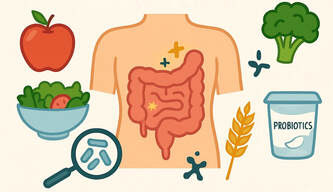
Did you know that your favorite drinks might be secretly undermining your digestive wellness? While that morning coffee ritual or evening glass of wine may seem harmless, the impact these beverages have on your gut microbiome - the vast ecosystem of microorganisms living in your digestive tract - could be profound and far-reaching.
In this installment of our Gut Health series, we will explore why understanding these effects is crucial for anyone looking to optimize their digestive function and overall health.
The fact is that the relationship between what we drink and our gut health isn't as straightforward as we may think. It involves a complex interplay of factors including frequency, amount, timing, and individual digestive sensitivity. What benefits one person's gut microbiome may trigger inflammation in another's, making personalized approaches essential for maintaining optimal digestive health.
Let's dive in and explore this in more detail.
In this installment of our Gut Health series, we will explore why understanding these effects is crucial for anyone looking to optimize their digestive function and overall health.
The fact is that the relationship between what we drink and our gut health isn't as straightforward as we may think. It involves a complex interplay of factors including frequency, amount, timing, and individual digestive sensitivity. What benefits one person's gut microbiome may trigger inflammation in another's, making personalized approaches essential for maintaining optimal digestive health.
Let's dive in and explore this in more detail.
The Surprising Connection Between Your Daily Drinks and Gut Health
Your gut microbiome houses trillions of microorganisms that influence everything from digestion to immune function and even mental health. This delicate ecosystem thrives on balance and diversity, but common beverages like alcohol and caffeine can quickly disrupt this equilibrium. When these microorganisms become imbalanced—a condition called dysbiosis—the effects cascade throughout your entire body, potentially contributing to various health issues from digestive discomfort to more serious conditions.
The influence of beverages extends beyond just the microbiome. Your gut lining—a crucial barrier that prevents harmful substances from entering your bloodstream—can also be compromised by certain drinks. This protective barrier is only one cell thick, making it surprisingly vulnerable to damage from substances like alcohol. Meanwhile, the stimulating effects of caffeine can alter gut motility and secretions, changing how quickly food moves through your digestive tract.
Perhaps most surprising is how differently these beverages affect individuals based on their unique gut composition, genetics, and existing health conditions. What causes severe digestive distress in one person might be well-tolerated by another, highlighting the importance of paying attention to your body's specific responses rather than following generic guidelines.
How Alcohol Damages Your Gut Microbiome
Alcohol acts as a powerful disruptor to your gut's microbial community, creating imbalances that can persist long after your last drink. Even moderate consumption significantly reduces beneficial bacterial populations like Bifidobacteria and Lactobacilli—critical microbes that help maintain gut barrier integrity and produce anti-inflammatory compounds. Simultaneously, alcohol tends to promote the growth of potentially harmful bacteria, shifting the entire ecosystem toward a pro-inflammatory state.
The type of alcoholic beverage matters too. Research indicates that hard liquors typically cause more severe disruptions than fermented options like wine, which contains polyphenols that may partially offset some negative effects. However, no alcohol type is completely "gut-friendly," and frequency of consumption often matters more than the specific beverage choice.
Alcohol Disrupts Beneficial Bacteria Balance
Each time you consume alcohol, you're essentially introducing an antimicrobial agent into your gut environment. Studies show that even a single episode of heavy drinking can temporarily reduce beneficial bacterial populations by up to 30%. For regular drinkers, these populations may never fully recover to their baseline levels, creating a persistent state of dysbiosis characterized by reduced microbial diversity.
This bacterial imbalance triggers a cascade of negative effects. Without sufficient beneficial bacteria to compete for resources, opportunistic and potentially harmful microbes can flourish. These disruptive organisms often produce toxins and inflammatory compounds that irritate the gut lining and trigger immune responses throughout the body.
The speed of microbial disruption can be shocking—changes begin within hours of alcohol consumption. The microbial composition shifts become more pronounced and resistant to correction with ongoing or frequent drinking patterns, creating a new, less healthy "normal" for your gut environment.
Beyond disrupting your microbial balance, alcohol directly damages the delicate intestinal lining that serves as your body's critical barrier against harmful substances. This single layer of cells, connected by tight junction proteins, normally prevents undigested food particles, toxins, and microbes from leaking into your bloodstream.
Alcohol dissolves the protective mucus layer covering these cells and weakens the tight junctions holding them together, creating microscopic gaps in this essential barrier—a condition commonly called "leaky gut."
"The gut barrier disruption from alcohol is particularly concerning because it's not just a digestive issue—it's a whole-body problem. When the barrier fails, bacterial products enter circulation, triggering systemic inflammation that can affect everything from liver function to brain health." - Journal of Gastroenterology Research, 2023
This barrier disruption triggers a cascade of inflammatory responses as your immune system detects these foreign substances in the bloodstream. Chronic inflammation from ongoing alcohol consumption eventually sensitizes the immune system, potentially contributing to food sensitivities and autoimmune-like responses that further damage the gut lining in a destructive cycle.
Long-Term Effects on Nutrient Absorption
The damage alcohol inflicts on your gut extends beyond microbial imbalances and barrier disruption—it directly impairs your ability to absorb essential nutrients. Alcohol irritates the intestinal lining, damaging the specialized cells and transport mechanisms responsible for nutrient uptake. This interference can lead to subtle deficiencies even in individuals with otherwise healthy diets.
Particularly concerning is alcohol's impact on B vitamin absorption and metabolism. These vitamins play crucial roles in energy production, nerve function, and cellular repair—all processes that support gut healing. The decreased availability of these nutrients creates a problematic scenario where alcohol both damages the gut and impairs its ability to repair itself, extending recovery time and deepening the impact of regular consumption.
For those with existing digestive conditions like IBS, Crohn's disease, or celiac disease, alcohol's effects on nutrient absorption compound already compromised digestive function. The combined impact can accelerate nutritional deficiencies and worsen symptoms, even with relatively modest consumption levels.
Coffee and Caffeine: Friend or Foe to Your Digestive System?
Coffee's relationship with your gut health is considerably more nuanced than alcohol's predominantly negative impact. The latest research reveals that moderate coffee consumption may actually promote microbial diversity—a key marker of gut health. Studies have found that regular coffee drinkers (consuming 1-3 cups daily) typically exhibit higher counts of anti-inflammatory bacteria like Bifidobacterium and beneficial Firmicutes compared to non-coffee drinkers.
However, caffeine's stimulatory effects can be problematic for many individuals, especially those with existing digestive conditions. The compound directly affects gut motility by stimulating muscle contractions in your digestive tract—helpful for some but triggering uncomfortable urgency, cramping, or loose stools in others. This stimulation happens within minutes of consumption, which explains why many people experience the need to visit the bathroom shortly after their morning cup.
How Caffeine Speeds Up Gut Transit Time
Caffeine's most immediate effect on your digestive system is its ability to accelerate transit time—how quickly food moves through your intestines. This stimulation occurs because caffeine triggers the release of gastrin and cholecystokinin, hormones that increase peristalsis (the wave-like muscle contractions moving contents through your digestive tract). For people prone to constipation, this stimulatory effect can be beneficial, promoting regularity and preventing stagnation in the colon.
However, for those with irritable bowel syndrome (IBS), particularly diarrhea-predominant types, or inflammatory bowel diseases, this acceleration can exacerbate symptoms and trigger painful spasms. The effect is dose-dependent—higher caffeine intake corresponds to stronger stimulation and potentially more severe digestive reactions. This explains why many gastroenterologists recommend that patients with sensitive digestive systems limit caffeine intake to mornings only, when the body is naturally primed for elimination.
Coffee's Impact on Stomach Acid Production
Beyond caffeine's effects, coffee itself—regardless of caffeine content—stimulates gastric acid secretion. This occurs because coffee contains various compounds that trigger the release of gastrin, the hormone responsible for acid production in the stomach. For people with healthy digestive systems, this increased acidity helps break down proteins and activate digestive enzymes, potentially improving nutrient absorption.
For those with acid reflux, gastritis, or peptic ulcers, however, coffee's acid-stimulating properties can worsen symptoms by increasing irritation to already sensitive tissue. The acidity level varies significantly between coffee varieties, preparation methods, and roast levels, with darker roasts typically containing less acid-stimulating compounds than lighter roasts. Cold brew coffee, which contains approximately 70% less acid than hot-brewed coffee, offers a potential alternative for acid-sensitive individuals who still want to enjoy coffee's benefits.
Different Effects of Regular vs. Decaf Coffee
Decaffeinated coffee eliminates the stimulatory effects of caffeine but retains most of coffee's other bioactive compounds. These include chlorogenic acids, melanoidins, and various polyphenols that appear to positively influence gut bacterial composition. Research suggests that many of coffee's beneficial effects on the microbiome are independent of its caffeine content, with both regular and decaf varieties showing similar increases in beneficial bacterial populations when consumed regularly.
However, the decaffeination process itself introduces variables that can affect gut health. Some decaffeination methods use chemical solvents that may leave trace residues, potentially irritating sensitive digestive systems. Water-processed or Swiss Water Process decaf avoids these chemicals, making it potentially gentler for those with reactive guts. It's worth noting that even decaffeinated coffee still contains small amounts of caffeine (typically 2-5mg per cup versus 80-100mg in regular coffee), which may still trigger symptoms in highly sensitive individuals.
Timing Matters: Why Morning Coffee Hits Different
The timing of caffeine consumption significantly influences its effects on your digestive system. Morning consumption aligns with your body's natural cortisol peak and digestive awakening, often resulting in more predictable and sometimes beneficial digestive responses. Your gut is naturally primed for increased activity in the morning as part of your circadian rhythm, making this potentially the optimal time for caffeine consumption from a gut health perspective.
Afternoon and evening caffeine intake, however, can disrupt normal digestive patterns by stimulating the system when it would naturally be slowing down. This mismatch between stimulation and your body's natural rhythm may contribute to digestive discomfort, irregular bowel movements, and sleep disruptions. Late-day caffeine can also interfere with the gut's overnight repair processes, potentially compromising the regeneration of intestinal cells that occurs primarily during sleep.
Individual variations in caffeine metabolism also play a crucial role in determining optimal timing. People with slower caffeine metabolism (often due to genetic factors) may experience digestive effects for 8-10 hours after consumption, making morning-only consumption advisable for these individuals.
The Double Trouble: When You Combine Alcohol and Caffeine
The simultaneous consumption of alcohol and caffeine creates a particularly problematic scenario for your gut microbiome and digestive function. These substances don't merely add their effects together—they create a synergistic impact that amplifies damage beyond what either would cause independently. This dangerous combination has become increasingly common with the popularity of energy drinks mixed with alcohol or coffee-based cocktails.
The underlying mechanism for this enhanced damage involves caffeine's ability to mask alcohol's sedative effects, often leading to higher alcohol consumption and prolonged exposure. Meanwhile, alcohol impairs your body's ability to metabolize caffeine effectively, extending its stimulatory effects and creating a persistent state of digestive overstimulation that prevents normal recovery processes.
Popular Combinations and Their Enhanced Negative Effects
Vodka Red Bulls, Jagerbombs, and espresso martinis have become staples in bar culture, but they represent a particularly destructive combination for gut health. These drinks pair high caffeine content with concentrated alcohol, creating a perfect storm of gut irritation. The caffeine masks alcohol's depressive effects, often leading to consuming larger quantities than intended, while the sugar content in many of these drinks further feeds harmful gut bacteria that thrive on simple carbohydrates.
Coffee liqueurs and Irish coffee represent another problematic category, as the warm temperature of these beverages can accelerate alcohol absorption while simultaneously increasing gastric acid production. This combination particularly aggravates reflux conditions and can intensify alcohol's erosive effects on the gut lining. For those with sensitive digestive systems, these combinations often trigger immediate symptoms including heartburn, nausea, and intestinal cramping, while potentially causing more significant microbiome disruptions that persist for days.
Even seemingly innocent combinations like having wine with an after-dinner coffee can extend alcohol's contact time with the gut by slowing its metabolism, potentially increasing damage to the intestinal lining. This extended exposure time has been associated with greater reductions in beneficial bacterial populations compared to consuming either substance alone.
How Energy Drinks with Alcohol Worsen Gut Damage
Energy drinks mixed with alcohol create particularly severe gut disruptions due to their unique composition. Beyond caffeine, these beverages contain additional stimulants like taurine, guarana, and various B vitamins that further intensify gut stimulation. The high acidity and artificial sweeteners present in most energy drinks independently irritate the gut lining, with alcohol then enhancing permeability of this already compromised barrier.
Research indicates that this combination causes significantly more inflammatory markers to appear in the bloodstream compared to alcohol alone, suggesting enhanced leakage of bacterial products across the gut barrier. The oxidative stress created by this combination has been shown to damage the mitochondria of intestinal cells, impairing their ability to produce energy and properly maintain the gut barrier. Recovery from this type of combined damage takes substantially longer than from either substance independently, with some markers of inflammation remaining elevated for up to 72 hours after consumption.
Your gut microbiome houses trillions of microorganisms that influence everything from digestion to immune function and even mental health. This delicate ecosystem thrives on balance and diversity, but common beverages like alcohol and caffeine can quickly disrupt this equilibrium. When these microorganisms become imbalanced—a condition called dysbiosis—the effects cascade throughout your entire body, potentially contributing to various health issues from digestive discomfort to more serious conditions.
The influence of beverages extends beyond just the microbiome. Your gut lining—a crucial barrier that prevents harmful substances from entering your bloodstream—can also be compromised by certain drinks. This protective barrier is only one cell thick, making it surprisingly vulnerable to damage from substances like alcohol. Meanwhile, the stimulating effects of caffeine can alter gut motility and secretions, changing how quickly food moves through your digestive tract.
Perhaps most surprising is how differently these beverages affect individuals based on their unique gut composition, genetics, and existing health conditions. What causes severe digestive distress in one person might be well-tolerated by another, highlighting the importance of paying attention to your body's specific responses rather than following generic guidelines.
How Alcohol Damages Your Gut Microbiome
Alcohol acts as a powerful disruptor to your gut's microbial community, creating imbalances that can persist long after your last drink. Even moderate consumption significantly reduces beneficial bacterial populations like Bifidobacteria and Lactobacilli—critical microbes that help maintain gut barrier integrity and produce anti-inflammatory compounds. Simultaneously, alcohol tends to promote the growth of potentially harmful bacteria, shifting the entire ecosystem toward a pro-inflammatory state.
The type of alcoholic beverage matters too. Research indicates that hard liquors typically cause more severe disruptions than fermented options like wine, which contains polyphenols that may partially offset some negative effects. However, no alcohol type is completely "gut-friendly," and frequency of consumption often matters more than the specific beverage choice.
Alcohol Disrupts Beneficial Bacteria Balance
Each time you consume alcohol, you're essentially introducing an antimicrobial agent into your gut environment. Studies show that even a single episode of heavy drinking can temporarily reduce beneficial bacterial populations by up to 30%. For regular drinkers, these populations may never fully recover to their baseline levels, creating a persistent state of dysbiosis characterized by reduced microbial diversity.
This bacterial imbalance triggers a cascade of negative effects. Without sufficient beneficial bacteria to compete for resources, opportunistic and potentially harmful microbes can flourish. These disruptive organisms often produce toxins and inflammatory compounds that irritate the gut lining and trigger immune responses throughout the body.
The speed of microbial disruption can be shocking—changes begin within hours of alcohol consumption. The microbial composition shifts become more pronounced and resistant to correction with ongoing or frequent drinking patterns, creating a new, less healthy "normal" for your gut environment.
- Bifidobacteria populations can decrease by 25-40% with regular alcohol consumption
- Pathogenic bacteria like certain Clostridium species may increase 2-3 fold
- Bacterial diversity scores drop significantly, correlating with increased inflammation markers
- Recovery of full microbial diversity can take 2-4 weeks after stopping alcohol completely
- Combining alcohol with high-fat foods further compounds negative microbial shifts
Beyond disrupting your microbial balance, alcohol directly damages the delicate intestinal lining that serves as your body's critical barrier against harmful substances. This single layer of cells, connected by tight junction proteins, normally prevents undigested food particles, toxins, and microbes from leaking into your bloodstream.
Alcohol dissolves the protective mucus layer covering these cells and weakens the tight junctions holding them together, creating microscopic gaps in this essential barrier—a condition commonly called "leaky gut."
"The gut barrier disruption from alcohol is particularly concerning because it's not just a digestive issue—it's a whole-body problem. When the barrier fails, bacterial products enter circulation, triggering systemic inflammation that can affect everything from liver function to brain health." - Journal of Gastroenterology Research, 2023
This barrier disruption triggers a cascade of inflammatory responses as your immune system detects these foreign substances in the bloodstream. Chronic inflammation from ongoing alcohol consumption eventually sensitizes the immune system, potentially contributing to food sensitivities and autoimmune-like responses that further damage the gut lining in a destructive cycle.
Long-Term Effects on Nutrient Absorption
The damage alcohol inflicts on your gut extends beyond microbial imbalances and barrier disruption—it directly impairs your ability to absorb essential nutrients. Alcohol irritates the intestinal lining, damaging the specialized cells and transport mechanisms responsible for nutrient uptake. This interference can lead to subtle deficiencies even in individuals with otherwise healthy diets.
Particularly concerning is alcohol's impact on B vitamin absorption and metabolism. These vitamins play crucial roles in energy production, nerve function, and cellular repair—all processes that support gut healing. The decreased availability of these nutrients creates a problematic scenario where alcohol both damages the gut and impairs its ability to repair itself, extending recovery time and deepening the impact of regular consumption.
For those with existing digestive conditions like IBS, Crohn's disease, or celiac disease, alcohol's effects on nutrient absorption compound already compromised digestive function. The combined impact can accelerate nutritional deficiencies and worsen symptoms, even with relatively modest consumption levels.
Coffee and Caffeine: Friend or Foe to Your Digestive System?
Coffee's relationship with your gut health is considerably more nuanced than alcohol's predominantly negative impact. The latest research reveals that moderate coffee consumption may actually promote microbial diversity—a key marker of gut health. Studies have found that regular coffee drinkers (consuming 1-3 cups daily) typically exhibit higher counts of anti-inflammatory bacteria like Bifidobacterium and beneficial Firmicutes compared to non-coffee drinkers.
However, caffeine's stimulatory effects can be problematic for many individuals, especially those with existing digestive conditions. The compound directly affects gut motility by stimulating muscle contractions in your digestive tract—helpful for some but triggering uncomfortable urgency, cramping, or loose stools in others. This stimulation happens within minutes of consumption, which explains why many people experience the need to visit the bathroom shortly after their morning cup.
How Caffeine Speeds Up Gut Transit Time
Caffeine's most immediate effect on your digestive system is its ability to accelerate transit time—how quickly food moves through your intestines. This stimulation occurs because caffeine triggers the release of gastrin and cholecystokinin, hormones that increase peristalsis (the wave-like muscle contractions moving contents through your digestive tract). For people prone to constipation, this stimulatory effect can be beneficial, promoting regularity and preventing stagnation in the colon.
However, for those with irritable bowel syndrome (IBS), particularly diarrhea-predominant types, or inflammatory bowel diseases, this acceleration can exacerbate symptoms and trigger painful spasms. The effect is dose-dependent—higher caffeine intake corresponds to stronger stimulation and potentially more severe digestive reactions. This explains why many gastroenterologists recommend that patients with sensitive digestive systems limit caffeine intake to mornings only, when the body is naturally primed for elimination.
Coffee's Impact on Stomach Acid Production
Beyond caffeine's effects, coffee itself—regardless of caffeine content—stimulates gastric acid secretion. This occurs because coffee contains various compounds that trigger the release of gastrin, the hormone responsible for acid production in the stomach. For people with healthy digestive systems, this increased acidity helps break down proteins and activate digestive enzymes, potentially improving nutrient absorption.
For those with acid reflux, gastritis, or peptic ulcers, however, coffee's acid-stimulating properties can worsen symptoms by increasing irritation to already sensitive tissue. The acidity level varies significantly between coffee varieties, preparation methods, and roast levels, with darker roasts typically containing less acid-stimulating compounds than lighter roasts. Cold brew coffee, which contains approximately 70% less acid than hot-brewed coffee, offers a potential alternative for acid-sensitive individuals who still want to enjoy coffee's benefits.
Different Effects of Regular vs. Decaf Coffee
Decaffeinated coffee eliminates the stimulatory effects of caffeine but retains most of coffee's other bioactive compounds. These include chlorogenic acids, melanoidins, and various polyphenols that appear to positively influence gut bacterial composition. Research suggests that many of coffee's beneficial effects on the microbiome are independent of its caffeine content, with both regular and decaf varieties showing similar increases in beneficial bacterial populations when consumed regularly.
However, the decaffeination process itself introduces variables that can affect gut health. Some decaffeination methods use chemical solvents that may leave trace residues, potentially irritating sensitive digestive systems. Water-processed or Swiss Water Process decaf avoids these chemicals, making it potentially gentler for those with reactive guts. It's worth noting that even decaffeinated coffee still contains small amounts of caffeine (typically 2-5mg per cup versus 80-100mg in regular coffee), which may still trigger symptoms in highly sensitive individuals.
Timing Matters: Why Morning Coffee Hits Different
The timing of caffeine consumption significantly influences its effects on your digestive system. Morning consumption aligns with your body's natural cortisol peak and digestive awakening, often resulting in more predictable and sometimes beneficial digestive responses. Your gut is naturally primed for increased activity in the morning as part of your circadian rhythm, making this potentially the optimal time for caffeine consumption from a gut health perspective.
Afternoon and evening caffeine intake, however, can disrupt normal digestive patterns by stimulating the system when it would naturally be slowing down. This mismatch between stimulation and your body's natural rhythm may contribute to digestive discomfort, irregular bowel movements, and sleep disruptions. Late-day caffeine can also interfere with the gut's overnight repair processes, potentially compromising the regeneration of intestinal cells that occurs primarily during sleep.
Individual variations in caffeine metabolism also play a crucial role in determining optimal timing. People with slower caffeine metabolism (often due to genetic factors) may experience digestive effects for 8-10 hours after consumption, making morning-only consumption advisable for these individuals.
The Double Trouble: When You Combine Alcohol and Caffeine
The simultaneous consumption of alcohol and caffeine creates a particularly problematic scenario for your gut microbiome and digestive function. These substances don't merely add their effects together—they create a synergistic impact that amplifies damage beyond what either would cause independently. This dangerous combination has become increasingly common with the popularity of energy drinks mixed with alcohol or coffee-based cocktails.
The underlying mechanism for this enhanced damage involves caffeine's ability to mask alcohol's sedative effects, often leading to higher alcohol consumption and prolonged exposure. Meanwhile, alcohol impairs your body's ability to metabolize caffeine effectively, extending its stimulatory effects and creating a persistent state of digestive overstimulation that prevents normal recovery processes.
Popular Combinations and Their Enhanced Negative Effects
Vodka Red Bulls, Jagerbombs, and espresso martinis have become staples in bar culture, but they represent a particularly destructive combination for gut health. These drinks pair high caffeine content with concentrated alcohol, creating a perfect storm of gut irritation. The caffeine masks alcohol's depressive effects, often leading to consuming larger quantities than intended, while the sugar content in many of these drinks further feeds harmful gut bacteria that thrive on simple carbohydrates.
Coffee liqueurs and Irish coffee represent another problematic category, as the warm temperature of these beverages can accelerate alcohol absorption while simultaneously increasing gastric acid production. This combination particularly aggravates reflux conditions and can intensify alcohol's erosive effects on the gut lining. For those with sensitive digestive systems, these combinations often trigger immediate symptoms including heartburn, nausea, and intestinal cramping, while potentially causing more significant microbiome disruptions that persist for days.
Even seemingly innocent combinations like having wine with an after-dinner coffee can extend alcohol's contact time with the gut by slowing its metabolism, potentially increasing damage to the intestinal lining. This extended exposure time has been associated with greater reductions in beneficial bacterial populations compared to consuming either substance alone.
How Energy Drinks with Alcohol Worsen Gut Damage
Energy drinks mixed with alcohol create particularly severe gut disruptions due to their unique composition. Beyond caffeine, these beverages contain additional stimulants like taurine, guarana, and various B vitamins that further intensify gut stimulation. The high acidity and artificial sweeteners present in most energy drinks independently irritate the gut lining, with alcohol then enhancing permeability of this already compromised barrier.
Research indicates that this combination causes significantly more inflammatory markers to appear in the bloodstream compared to alcohol alone, suggesting enhanced leakage of bacterial products across the gut barrier. The oxidative stress created by this combination has been shown to damage the mitochondria of intestinal cells, impairing their ability to produce energy and properly maintain the gut barrier. Recovery from this type of combined damage takes substantially longer than from either substance independently, with some markers of inflammation remaining elevated for up to 72 hours after consumption.
|
Combination |
Primary Gut Impact |
Recovery Time |
|---|---|---|
|
Vodka + Energy Drink |
Severe barrier disruption, inflammation |
48-72 hours |
|
Coffee + Whiskey |
Acid overproduction, motility disruption |
24-36 hours |
|
Wine with after-dinner espresso |
Extended alcohol exposure, sleep disruption |
12-24 hours |
|
Beer with morning coffee (e.g., weekend brunch) |
Confused digestive signaling, dehydration |
24-48 hours |
The most insidious aspect of these combinations is that they often don't produce immediate, severe symptoms that would warn consumers of the damage occurring. Instead, they create cumulative harm that manifests as chronic digestive issues over time, making it difficult for many to connect their symptoms with these specific consumption patterns.
5 Signs Your Gut Is Suffering from Too Much Alcohol or Caffeine
Identifying when your digestive system is reacting negatively to alcohol or caffeine requires paying attention to subtle signals that often develop gradually. Your gut communicates its distress through various symptoms that many people mistakenly attribute to other causes or simply accept as normal. Recognizing these warning signs early allows you to adjust your consumption habits before more serious digestive issues develop.
The relationship between symptoms and consumption isn't always immediate—some effects emerge hours or even days after intake, making the connection less obvious. This delayed reaction often leads people to overlook the true source of their discomfort, continuing patterns that progressively damage their gut health.
1. Persistent Bloating and Discomfort
When alcohol or excess caffeine disrupts your gut microbiome, gas-producing bacteria often flourish while beneficial bacteria decline. This microbial shift typically manifests as persistent bloating that doesn't resolve with standard remedies. You might notice your abdomen becomes distended hours after consumption, sometimes lasting into the following day. This bloating often feels different from normal digestive gas—it tends to be more persistent and may be accompanied by a sense of fullness or pressure rather than sharp pain.
The timing of this bloating can provide clues about its source. Caffeine-related bloating typically begins within 30-60 minutes of consumption, while alcohol-induced bloating might develop later as fermentation processes increase in the intestines. If you experience bloating specifically on days following alcohol consumption or after your second or third coffee of the day, it's a strong indicator that these beverages may be disrupting your gut balance.
2. Changes in Bowel Movements
Both alcohol and caffeine significantly impact stool consistency and bowel movement frequency, often in unpredictable ways. Caffeine typically accelerates transit time, potentially causing looser stools or even urgency, while alcohol can swing between constipating effects (particularly with dehydration) and diarrhea (especially with higher consumption). The color and composition of your stool may also change, with mucus-containing or unusually pale stools sometimes appearing after heavy alcohol consumption.
Pay particular attention to patterns rather than isolated incidents. If your bowel habits become irregular specifically on days when you consume these beverages, or if you notice a predictable pattern of morning diarrhea after evening alcohol consumption, your gut is sending clear signals about its sensitivity. These changes reflect both the direct irritant effects on your intestinal lining and the shifts in your microbiome composition that influence stool formation and water content.
3. Increased Food Sensitivities
A particularly telling sign of alcohol and caffeine-induced gut damage is the development of new food sensitivities or worsening of existing ones. When these beverages compromise your intestinal barrier function (creating "leaky gut"), partially digested food particles can cross into your bloodstream, triggering immune responses. You might notice that foods you previously tolerated well now cause bloating, digestive discomfort, or even skin reactions like rashes or flushing.
These sensitivities often develop in a specific sequence: first affecting common trigger foods like dairy, gluten, or high-FODMAP items, then progressively extending to foods you've consumed without issue throughout your life. This expanding pattern of food reactions strongly suggests underlying gut barrier dysfunction that requires attention. Many people mistakenly eliminate these reactive foods without addressing the root cause—the alcohol or caffeine consumption that initiated the barrier disruption in the first place.
4. Digestive Issues That Worsen After Consumption
For those with existing digestive conditions like IBS, Crohn's disease, or ulcerative colitis, alcohol and caffeine often act as powerful triggers that amplify symptoms. You might notice that disease flares predictably follow consumption patterns, even at levels that previously seemed tolerable. This increased reactivity often develops because these beverages enhance intestinal permeability, allowing more bacterial components to interact with your immune system and trigger inflammatory responses.
The intensity of this reaction typically correlates with consumption amounts, but even small quantities may become problematic as gut sensitivity increases over time. This progressive intolerance—needing to reduce consumption amounts to prevent symptoms—strongly indicates accumulating gut damage that requires intervention. Many gastroenterologists now use this increasing sensitivity as a diagnostic indicator when assessing digestive conditions.
5. Sleep Disruptions Linked to Gut Discomfort
The connection between gut discomfort and sleep quality represents one of the most overlooked signs of alcohol and caffeine-related digestive issues. You might experience difficulty falling asleep due to abdominal discomfort, or wake during the night with reflux symptoms or the need to use the bathroom. These disruptions often occur during specific sleep cycles, particularly between 2-4 AM when liver processing of these substances peaks.
The sleep-gut connection works bidirectionally: poor sleep further compromises gut function by altering microbiome composition and reducing intestinal motility, creating a problematic cycle. Breaking this pattern typically requires addressing both sleep hygiene and beverage consumption habits simultaneously. If you notice improved sleep quality during periods when you abstain from alcohol or caffeine, your gut is likely benefiting from this break as well, even if daytime symptoms aren't obviously improved.
The Gut-Brain Connection: How These Drinks Affect Your Mood
The relationship between gut health and mental wellbeing represents one of the most fascinating areas of recent medical research. Your gut produces over 90% of your body's serotonin—a neurotransmitter critical for mood regulation—and maintains constant communication with your brain through the vagus nerve. When alcohol and caffeine disrupt your gut microbiome, they simultaneously alter this gut-brain signaling system, potentially affecting your emotional state, anxiety levels, and even cognitive function.
Research increasingly suggests that gut inflammation triggered by these beverages sends distress signals to the brain that can manifest as mood changes, with effects that persist long after the direct stimulant or depressant properties have worn off. Understanding this connection helps explain why reducing consumption often improves not only digestive symptoms but also mental clarity, emotional stability, and stress resilience.
Serotonin Production in the Gut
Your intestinal cells work in conjunction with certain gut bacteria to produce and regulate serotonin, which influences everything from mood to appetite and sleep patterns. Alcohol consumption, especially when chronic, disrupts this production by altering the bacterial species responsible for essential steps in serotonin synthesis and by damaging the specialized enterochromaffin cells that produce the neurotransmitter. This disruption can manifest as mood fluctuations that seem disconnected from obvious causes, particularly in the days following alcohol consumption.
Caffeine's effect on this system is more complex—while acute consumption may temporarily boost serotonin signaling (contributing to its mood-elevating effects), chronic high intake may ultimately deplete serotonin reserves and reduce receptor sensitivity. This explains why some people experience positive mood effects from occasional coffee consumption but increasing irritability and mood swings with heavy daily use. The gut's serotonin production typically requires 2-3 weeks to fully normalize after significant disruption, which aligns with the mood improvement timeline many people experience when moderating their alcohol or caffeine intake.
Inflammation Signals That Reach Your Brain
When alcohol damages your intestinal barrier, bacterial components like lipopolysaccharides (LPS) leak into circulation and trigger systemic inflammation, including neuroinflammation that affects brain function. These inflammatory signals can activate microglia—the brain's immune cells—leading to symptoms like brain fog, difficulty concentrating, and even depressive-like behavior. Studies using advanced imaging techniques have demonstrated increased brain inflammation markers following just moderate alcohol consumption, with effects amplified in those with existing gut permeability issues.
Caffeine has a more nuanced relationship with inflammation—at moderate doses, it may actually reduce certain inflammatory pathways, but at high doses or in sensitive individuals, it can promote gut permeability and subsequent inflammatory cascades similar to alcohol. The timing of consumption also matters; evening caffeine that disrupts sleep can indirectly increase brain inflammation by interfering with the glymphatic system that clears inflammatory compounds during deep sleep cycles. This explains why some individuals experience cognitive benefits from moderate morning caffeine but cognitive impairment with higher or later-day consumption.
"The gut-brain axis represents a revolutionary way of understanding how our dietary choices affect our mental health. The inflammatory signals generated by disrupted gut barriers don't just stay in the digestive system—they travel throughout the body and can fundamentally alter brain chemistry and function." — Neurogastroenterology & Motility Journal, 2023
Smart Strategies to Enjoy Drinks While Protecting Your Gut
Completely eliminating alcohol and caffeine isn't necessary or realistic for most people. Instead, implementing strategic consumption practices can significantly reduce their negative gut impacts while allowing you to enjoy these beverages in moderation. These protective approaches focus on timing, complementary foods, hydration, and quality choices that minimize gut disruption while preserving enjoyment.
The most effective strategies recognize individual variation—your unique microbiome composition, digestive sensitivity, and metabolic factors all influence how these beverages affect you specifically. By experimenting with different approaches and observing your body's responses, you can develop personalized guidelines that protect your gut health without unnecessary restriction.
Best Times to Consume Caffeine
Timing caffeine consumption to align with your body's natural cortisol rhythm can minimize digestive disruption. Morning consumption between 9:30-11:30 AM often works best for most people, as it follows your natural cortisol peak (which occurs around 8-9 AM) rather than competing with it. This timing allows caffeine to complement rather than overwhelm your body's natural energy and digestive patterns, typically resulting in better tolerance and fewer side effects.
Establishing a consistent caffeine cutoff time—ideally 8-10 hours before bedtime based on your personal metabolism—protects both sleep quality and allows your gut's overnight repair processes to function optimally. This repair window is essential for maintaining the intestinal lining and supporting beneficial bacterial populations. For those with slower caffeine metabolism (often indicated by sensitivity to afternoon coffee), moving all consumption to before noon may produce noticeable improvements in both digestive comfort and sleep quality.
Safer Alcohol Choices for Sensitive Guts
If you choose to consume alcohol, certain options typically cause less gut disruption than others. Clear spirits like vodka and gin contain fewer congeners and fermentation byproducts that can irritate the gut lining, making them generally better tolerated than darker spirits or beer. Dry wines, particularly those low in sulfites and additives, often cause less digestive distress than sweet wines or those with higher preservative content. The fermentation process used to produce certain alcoholic beverages may also provide benefits—some traditionally fermented, unpasteurized beers contain living probiotic organisms that partially offset alcohol's negative effects.
Regardless of the specific alcohol type, consumption pattern matters tremendously. Spreading consumption across multiple days with lower amounts per session (e.g., one glass of wine with dinner three times weekly) typically causes significantly less gut disruption than concentrating the same total amount into a single session (e.g., three glasses in one sitting). This distributed approach prevents overwhelming your liver's detoxification capacity and gives your gut microbiome time to recover between exposures, maintaining better overall balance.
Foods That Buffer the Impact on Your Microbiome
Strategic food choices before and during alcohol or caffeine consumption can substantially reduce their negative gut impacts. Fiber-rich foods like oats, legumes, and resistant starches create a protective gel-like substance that slows absorption and reduces direct contact between these beverages and your intestinal lining. These fibers also serve as prebiotics that nourish beneficial bacteria, helping them recover more quickly from any disruption caused by alcohol or caffeine.
Polyphenol-rich foods provide particularly powerful protection. Berries, olive oil, dark chocolate, and deeply colored vegetables contain compounds that reduce oxidative stress and inflammation while supporting beneficial bacterial species. Research shows that consuming these foods alongside or before alcohol or caffeine can reduce markers of gut damage by 30-50%. Particularly effective combinations include berries with coffee (the polyphenols complement each other) and Mediterranean-style meals before alcohol consumption (the combined protective effects of olive oil, vegetables, and fish appear greater than individual components alone).
Incorporating fermented foods like kimchi, sauerkraut, or kefir several times weekly helps maintain microbiome resilience, making it better able to withstand occasional disruptions. These foods introduce diverse bacterial species that compete with potentially harmful organisms that might otherwise flourish after alcohol consumption, essentially providing reinforcements for your gut's defensive systems.
Hydration Rules That Make a Difference
Strategic hydration practices significantly reduce the gut-damaging effects of both alcohol and caffeine. The classic recommendation of alternating alcoholic drinks with water helps by diluting alcohol concentration in the digestive tract and supporting kidney filtration, but the type of hydration matters too. Electrolyte-containing fluids (like coconut water or mineral water) more effectively counter the dehydrating effects of these beverages than plain water alone, helping maintain the mucus layer that protects your gut lining.
For coffee drinkers, pre-hydration makes a substantial difference. Consuming 8-12 ounces of water before your morning coffee helps dilute its acidity and reduces its potential to irritate the gastric lining. This simple practice has been shown to decrease heartburn symptoms by approximately 40% in sensitive individuals. Adding a pinch of sea salt to your morning water further supports adrenal function and helps maintain the electrical gradients necessary for proper intestinal barrier function throughout the day.
The timing of hydration also matters—continuing fluid intake for several hours after alcohol consumption supports liver detoxification processes and helps flush inflammatory byproducts from your system. This extended hydration approach is particularly important for those with existing gut sensitivity or inflammatory conditions, as it reduces the concentration of irritants that contact the intestinal lining during the elimination process.
Healing Your Gut After Damage: Recovery Plan
Whether you're recovering from a single episode of overindulgence or addressing chronic consumption patterns, strategic approaches can accelerate gut healing and restore microbiome balance. The gut lining has remarkable regenerative capacity when given appropriate support—complete renewal of intestinal cells occurs approximately every 4-5 days. However, reestablishing optimal bacterial balance and fully repairing barrier function typically requires more time and targeted interventions.
Essential Nutrients for Gut Lining Repair
Specific nutrients play crucial roles in rebuilding damaged intestinal tissue and restoring barrier integrity. L-glutamine serves as the primary fuel source for enterocytes (intestinal cells) and has been shown to accelerate repair of damaged gut lining when supplemented at doses of 5-10g daily. Zinc is essential for tight junction protein synthesis—the connections between intestinal cells that prevent leakage—with deficiencies significantly slowing repair processes. Foods rich in these nutrients (bone broth, pumpkin seeds, oysters) should be emphasized during recovery periods, particularly in the days immediately following alcohol consumption.
Probiotic Foods That Restore Balance
Strategically reintroducing beneficial bacteria through food sources helps reestablish microbiome balance disrupted by alcohol or excessive caffeine. Traditional fermented foods like kimchi, sauerkraut, and properly prepared yogurt contain diverse bacterial strains that compete with potentially harmful organisms that flourish after alcohol consumption. These living foods provide not just the bacteria themselves but also the metabolites and signaling molecules they produce, creating an environment that favors continued microbial balance.
The sequence of probiotic introduction matters—starting with small amounts of diverse fermented vegetables, then gradually adding dairy-based ferments if tolerated, allows your system to adjust progressively. This staged approach prevents the temporary increase in gas production and bloating that can occur with sudden introduction of fermented foods to a disrupted microbiome. Consistency often proves more beneficial than quantity; daily consumption of small amounts (1-2 tablespoons) typically provides better results than larger, intermittent servings.
How Long Recovery Takes Based on Consumption Patterns
Recovery timelines vary significantly based on previous consumption patterns and individual factors. For occasional drinkers experiencing a single episode of overindulgence, basic microbiome balance typically returns within 3-7 days with appropriate support, though subtle changes may persist longer. For those with regular moderate consumption, microbiome composition requires approximately 2-3 weeks to fully normalize after cessation or significant reduction. Those with long-term heavy consumption histories may experience a longer recovery curve, with some bacterial populations taking 1-3 months to fully rebalance and certain inflammatory markers requiring up to 6 months to completely normalize.
When to Talk to a Doctor About Gut Symptoms
While temporary digestive discomfort following alcohol or caffeine consumption is common, certain symptoms warrant professional medical attention. Persistent changes in bowel habits lasting more than two weeks, visible blood in stool, unintentional weight loss, severe abdominal pain, or symptoms that progressively worsen despite modifying consumption patterns all indicate the need for medical evaluation. These could signal underlying conditions that require specific treatment beyond lifestyle modifications.
Additionally, if you find yourself unable to moderate consumption despite clear negative effects on your digestive health, discussing this with a healthcare provider is important. The connection between gut symptoms and consumption patterns isn't always straightforward, and a gastroenterologist can help determine whether your symptoms stem primarily from these beverages or if other conditions might be contributing. They can also provide specialized testing like comprehensive stool analysis or intestinal permeability assessments that provide objective measures of gut function beyond symptom evaluation.
Your Personalized Gut-Friendly Drinking Plan
Creating an individualized approach to alcohol and caffeine consumption based on your specific gut responses offers the most sustainable path forward. This doesn't necessarily mean complete elimination—rather, it involves identifying your personal thresholds and patterns that minimize negative impacts while allowing reasonable enjoyment. Start by tracking your consumption alongside digestive symptoms for 2-3 weeks, looking for patterns in timing, amounts, specific beverages, and accompanying factors like foods or stress levels that influence your reactions.
Use this information to establish your baseline guidelines—perhaps you discover that morning coffee causes no issues while afternoon cups trigger discomfort, or that wine with dinner is well-tolerated but beer consistently causes bloating. These personalized insights prove far more valuable than generic recommendations. Remember that these thresholds aren't static; they can change with stress levels, sleep quality, overall dietary patterns, and health status. Regular reassessment allows you to adapt your approach as your body's needs evolve, maintaining the balance between enjoyment and digestive wellbeing.
To your gut health,
Rose.
Sources:
https://vibrantnutrition.com.au/digestive-health/alcohol-and-caffeine-impact-on-gut-health/
https://pmc.ncbi.nlm.nih.gov/articles/PMC11434970/
https://www.mdanderson.org/cancerwise/how-does-alcohol-affect-the-microbiome.h00-159696756.html
5 Signs Your Gut Is Suffering from Too Much Alcohol or Caffeine
Identifying when your digestive system is reacting negatively to alcohol or caffeine requires paying attention to subtle signals that often develop gradually. Your gut communicates its distress through various symptoms that many people mistakenly attribute to other causes or simply accept as normal. Recognizing these warning signs early allows you to adjust your consumption habits before more serious digestive issues develop.
The relationship between symptoms and consumption isn't always immediate—some effects emerge hours or even days after intake, making the connection less obvious. This delayed reaction often leads people to overlook the true source of their discomfort, continuing patterns that progressively damage their gut health.
1. Persistent Bloating and Discomfort
When alcohol or excess caffeine disrupts your gut microbiome, gas-producing bacteria often flourish while beneficial bacteria decline. This microbial shift typically manifests as persistent bloating that doesn't resolve with standard remedies. You might notice your abdomen becomes distended hours after consumption, sometimes lasting into the following day. This bloating often feels different from normal digestive gas—it tends to be more persistent and may be accompanied by a sense of fullness or pressure rather than sharp pain.
The timing of this bloating can provide clues about its source. Caffeine-related bloating typically begins within 30-60 minutes of consumption, while alcohol-induced bloating might develop later as fermentation processes increase in the intestines. If you experience bloating specifically on days following alcohol consumption or after your second or third coffee of the day, it's a strong indicator that these beverages may be disrupting your gut balance.
2. Changes in Bowel Movements
Both alcohol and caffeine significantly impact stool consistency and bowel movement frequency, often in unpredictable ways. Caffeine typically accelerates transit time, potentially causing looser stools or even urgency, while alcohol can swing between constipating effects (particularly with dehydration) and diarrhea (especially with higher consumption). The color and composition of your stool may also change, with mucus-containing or unusually pale stools sometimes appearing after heavy alcohol consumption.
Pay particular attention to patterns rather than isolated incidents. If your bowel habits become irregular specifically on days when you consume these beverages, or if you notice a predictable pattern of morning diarrhea after evening alcohol consumption, your gut is sending clear signals about its sensitivity. These changes reflect both the direct irritant effects on your intestinal lining and the shifts in your microbiome composition that influence stool formation and water content.
3. Increased Food Sensitivities
A particularly telling sign of alcohol and caffeine-induced gut damage is the development of new food sensitivities or worsening of existing ones. When these beverages compromise your intestinal barrier function (creating "leaky gut"), partially digested food particles can cross into your bloodstream, triggering immune responses. You might notice that foods you previously tolerated well now cause bloating, digestive discomfort, or even skin reactions like rashes or flushing.
These sensitivities often develop in a specific sequence: first affecting common trigger foods like dairy, gluten, or high-FODMAP items, then progressively extending to foods you've consumed without issue throughout your life. This expanding pattern of food reactions strongly suggests underlying gut barrier dysfunction that requires attention. Many people mistakenly eliminate these reactive foods without addressing the root cause—the alcohol or caffeine consumption that initiated the barrier disruption in the first place.
4. Digestive Issues That Worsen After Consumption
For those with existing digestive conditions like IBS, Crohn's disease, or ulcerative colitis, alcohol and caffeine often act as powerful triggers that amplify symptoms. You might notice that disease flares predictably follow consumption patterns, even at levels that previously seemed tolerable. This increased reactivity often develops because these beverages enhance intestinal permeability, allowing more bacterial components to interact with your immune system and trigger inflammatory responses.
The intensity of this reaction typically correlates with consumption amounts, but even small quantities may become problematic as gut sensitivity increases over time. This progressive intolerance—needing to reduce consumption amounts to prevent symptoms—strongly indicates accumulating gut damage that requires intervention. Many gastroenterologists now use this increasing sensitivity as a diagnostic indicator when assessing digestive conditions.
5. Sleep Disruptions Linked to Gut Discomfort
The connection between gut discomfort and sleep quality represents one of the most overlooked signs of alcohol and caffeine-related digestive issues. You might experience difficulty falling asleep due to abdominal discomfort, or wake during the night with reflux symptoms or the need to use the bathroom. These disruptions often occur during specific sleep cycles, particularly between 2-4 AM when liver processing of these substances peaks.
The sleep-gut connection works bidirectionally: poor sleep further compromises gut function by altering microbiome composition and reducing intestinal motility, creating a problematic cycle. Breaking this pattern typically requires addressing both sleep hygiene and beverage consumption habits simultaneously. If you notice improved sleep quality during periods when you abstain from alcohol or caffeine, your gut is likely benefiting from this break as well, even if daytime symptoms aren't obviously improved.
The Gut-Brain Connection: How These Drinks Affect Your Mood
The relationship between gut health and mental wellbeing represents one of the most fascinating areas of recent medical research. Your gut produces over 90% of your body's serotonin—a neurotransmitter critical for mood regulation—and maintains constant communication with your brain through the vagus nerve. When alcohol and caffeine disrupt your gut microbiome, they simultaneously alter this gut-brain signaling system, potentially affecting your emotional state, anxiety levels, and even cognitive function.
Research increasingly suggests that gut inflammation triggered by these beverages sends distress signals to the brain that can manifest as mood changes, with effects that persist long after the direct stimulant or depressant properties have worn off. Understanding this connection helps explain why reducing consumption often improves not only digestive symptoms but also mental clarity, emotional stability, and stress resilience.
Serotonin Production in the Gut
Your intestinal cells work in conjunction with certain gut bacteria to produce and regulate serotonin, which influences everything from mood to appetite and sleep patterns. Alcohol consumption, especially when chronic, disrupts this production by altering the bacterial species responsible for essential steps in serotonin synthesis and by damaging the specialized enterochromaffin cells that produce the neurotransmitter. This disruption can manifest as mood fluctuations that seem disconnected from obvious causes, particularly in the days following alcohol consumption.
Caffeine's effect on this system is more complex—while acute consumption may temporarily boost serotonin signaling (contributing to its mood-elevating effects), chronic high intake may ultimately deplete serotonin reserves and reduce receptor sensitivity. This explains why some people experience positive mood effects from occasional coffee consumption but increasing irritability and mood swings with heavy daily use. The gut's serotonin production typically requires 2-3 weeks to fully normalize after significant disruption, which aligns with the mood improvement timeline many people experience when moderating their alcohol or caffeine intake.
Inflammation Signals That Reach Your Brain
When alcohol damages your intestinal barrier, bacterial components like lipopolysaccharides (LPS) leak into circulation and trigger systemic inflammation, including neuroinflammation that affects brain function. These inflammatory signals can activate microglia—the brain's immune cells—leading to symptoms like brain fog, difficulty concentrating, and even depressive-like behavior. Studies using advanced imaging techniques have demonstrated increased brain inflammation markers following just moderate alcohol consumption, with effects amplified in those with existing gut permeability issues.
Caffeine has a more nuanced relationship with inflammation—at moderate doses, it may actually reduce certain inflammatory pathways, but at high doses or in sensitive individuals, it can promote gut permeability and subsequent inflammatory cascades similar to alcohol. The timing of consumption also matters; evening caffeine that disrupts sleep can indirectly increase brain inflammation by interfering with the glymphatic system that clears inflammatory compounds during deep sleep cycles. This explains why some individuals experience cognitive benefits from moderate morning caffeine but cognitive impairment with higher or later-day consumption.
"The gut-brain axis represents a revolutionary way of understanding how our dietary choices affect our mental health. The inflammatory signals generated by disrupted gut barriers don't just stay in the digestive system—they travel throughout the body and can fundamentally alter brain chemistry and function." — Neurogastroenterology & Motility Journal, 2023
Smart Strategies to Enjoy Drinks While Protecting Your Gut
Completely eliminating alcohol and caffeine isn't necessary or realistic for most people. Instead, implementing strategic consumption practices can significantly reduce their negative gut impacts while allowing you to enjoy these beverages in moderation. These protective approaches focus on timing, complementary foods, hydration, and quality choices that minimize gut disruption while preserving enjoyment.
The most effective strategies recognize individual variation—your unique microbiome composition, digestive sensitivity, and metabolic factors all influence how these beverages affect you specifically. By experimenting with different approaches and observing your body's responses, you can develop personalized guidelines that protect your gut health without unnecessary restriction.
Best Times to Consume Caffeine
Timing caffeine consumption to align with your body's natural cortisol rhythm can minimize digestive disruption. Morning consumption between 9:30-11:30 AM often works best for most people, as it follows your natural cortisol peak (which occurs around 8-9 AM) rather than competing with it. This timing allows caffeine to complement rather than overwhelm your body's natural energy and digestive patterns, typically resulting in better tolerance and fewer side effects.
Establishing a consistent caffeine cutoff time—ideally 8-10 hours before bedtime based on your personal metabolism—protects both sleep quality and allows your gut's overnight repair processes to function optimally. This repair window is essential for maintaining the intestinal lining and supporting beneficial bacterial populations. For those with slower caffeine metabolism (often indicated by sensitivity to afternoon coffee), moving all consumption to before noon may produce noticeable improvements in both digestive comfort and sleep quality.
Safer Alcohol Choices for Sensitive Guts
If you choose to consume alcohol, certain options typically cause less gut disruption than others. Clear spirits like vodka and gin contain fewer congeners and fermentation byproducts that can irritate the gut lining, making them generally better tolerated than darker spirits or beer. Dry wines, particularly those low in sulfites and additives, often cause less digestive distress than sweet wines or those with higher preservative content. The fermentation process used to produce certain alcoholic beverages may also provide benefits—some traditionally fermented, unpasteurized beers contain living probiotic organisms that partially offset alcohol's negative effects.
Regardless of the specific alcohol type, consumption pattern matters tremendously. Spreading consumption across multiple days with lower amounts per session (e.g., one glass of wine with dinner three times weekly) typically causes significantly less gut disruption than concentrating the same total amount into a single session (e.g., three glasses in one sitting). This distributed approach prevents overwhelming your liver's detoxification capacity and gives your gut microbiome time to recover between exposures, maintaining better overall balance.
Foods That Buffer the Impact on Your Microbiome
Strategic food choices before and during alcohol or caffeine consumption can substantially reduce their negative gut impacts. Fiber-rich foods like oats, legumes, and resistant starches create a protective gel-like substance that slows absorption and reduces direct contact between these beverages and your intestinal lining. These fibers also serve as prebiotics that nourish beneficial bacteria, helping them recover more quickly from any disruption caused by alcohol or caffeine.
Polyphenol-rich foods provide particularly powerful protection. Berries, olive oil, dark chocolate, and deeply colored vegetables contain compounds that reduce oxidative stress and inflammation while supporting beneficial bacterial species. Research shows that consuming these foods alongside or before alcohol or caffeine can reduce markers of gut damage by 30-50%. Particularly effective combinations include berries with coffee (the polyphenols complement each other) and Mediterranean-style meals before alcohol consumption (the combined protective effects of olive oil, vegetables, and fish appear greater than individual components alone).
Incorporating fermented foods like kimchi, sauerkraut, or kefir several times weekly helps maintain microbiome resilience, making it better able to withstand occasional disruptions. These foods introduce diverse bacterial species that compete with potentially harmful organisms that might otherwise flourish after alcohol consumption, essentially providing reinforcements for your gut's defensive systems.
Hydration Rules That Make a Difference
Strategic hydration practices significantly reduce the gut-damaging effects of both alcohol and caffeine. The classic recommendation of alternating alcoholic drinks with water helps by diluting alcohol concentration in the digestive tract and supporting kidney filtration, but the type of hydration matters too. Electrolyte-containing fluids (like coconut water or mineral water) more effectively counter the dehydrating effects of these beverages than plain water alone, helping maintain the mucus layer that protects your gut lining.
For coffee drinkers, pre-hydration makes a substantial difference. Consuming 8-12 ounces of water before your morning coffee helps dilute its acidity and reduces its potential to irritate the gastric lining. This simple practice has been shown to decrease heartburn symptoms by approximately 40% in sensitive individuals. Adding a pinch of sea salt to your morning water further supports adrenal function and helps maintain the electrical gradients necessary for proper intestinal barrier function throughout the day.
The timing of hydration also matters—continuing fluid intake for several hours after alcohol consumption supports liver detoxification processes and helps flush inflammatory byproducts from your system. This extended hydration approach is particularly important for those with existing gut sensitivity or inflammatory conditions, as it reduces the concentration of irritants that contact the intestinal lining during the elimination process.
Healing Your Gut After Damage: Recovery Plan
Whether you're recovering from a single episode of overindulgence or addressing chronic consumption patterns, strategic approaches can accelerate gut healing and restore microbiome balance. The gut lining has remarkable regenerative capacity when given appropriate support—complete renewal of intestinal cells occurs approximately every 4-5 days. However, reestablishing optimal bacterial balance and fully repairing barrier function typically requires more time and targeted interventions.
Essential Nutrients for Gut Lining Repair
Specific nutrients play crucial roles in rebuilding damaged intestinal tissue and restoring barrier integrity. L-glutamine serves as the primary fuel source for enterocytes (intestinal cells) and has been shown to accelerate repair of damaged gut lining when supplemented at doses of 5-10g daily. Zinc is essential for tight junction protein synthesis—the connections between intestinal cells that prevent leakage—with deficiencies significantly slowing repair processes. Foods rich in these nutrients (bone broth, pumpkin seeds, oysters) should be emphasized during recovery periods, particularly in the days immediately following alcohol consumption.
Probiotic Foods That Restore Balance
Strategically reintroducing beneficial bacteria through food sources helps reestablish microbiome balance disrupted by alcohol or excessive caffeine. Traditional fermented foods like kimchi, sauerkraut, and properly prepared yogurt contain diverse bacterial strains that compete with potentially harmful organisms that flourish after alcohol consumption. These living foods provide not just the bacteria themselves but also the metabolites and signaling molecules they produce, creating an environment that favors continued microbial balance.
The sequence of probiotic introduction matters—starting with small amounts of diverse fermented vegetables, then gradually adding dairy-based ferments if tolerated, allows your system to adjust progressively. This staged approach prevents the temporary increase in gas production and bloating that can occur with sudden introduction of fermented foods to a disrupted microbiome. Consistency often proves more beneficial than quantity; daily consumption of small amounts (1-2 tablespoons) typically provides better results than larger, intermittent servings.
How Long Recovery Takes Based on Consumption Patterns
Recovery timelines vary significantly based on previous consumption patterns and individual factors. For occasional drinkers experiencing a single episode of overindulgence, basic microbiome balance typically returns within 3-7 days with appropriate support, though subtle changes may persist longer. For those with regular moderate consumption, microbiome composition requires approximately 2-3 weeks to fully normalize after cessation or significant reduction. Those with long-term heavy consumption histories may experience a longer recovery curve, with some bacterial populations taking 1-3 months to fully rebalance and certain inflammatory markers requiring up to 6 months to completely normalize.
When to Talk to a Doctor About Gut Symptoms
While temporary digestive discomfort following alcohol or caffeine consumption is common, certain symptoms warrant professional medical attention. Persistent changes in bowel habits lasting more than two weeks, visible blood in stool, unintentional weight loss, severe abdominal pain, or symptoms that progressively worsen despite modifying consumption patterns all indicate the need for medical evaluation. These could signal underlying conditions that require specific treatment beyond lifestyle modifications.
Additionally, if you find yourself unable to moderate consumption despite clear negative effects on your digestive health, discussing this with a healthcare provider is important. The connection between gut symptoms and consumption patterns isn't always straightforward, and a gastroenterologist can help determine whether your symptoms stem primarily from these beverages or if other conditions might be contributing. They can also provide specialized testing like comprehensive stool analysis or intestinal permeability assessments that provide objective measures of gut function beyond symptom evaluation.
Your Personalized Gut-Friendly Drinking Plan
Creating an individualized approach to alcohol and caffeine consumption based on your specific gut responses offers the most sustainable path forward. This doesn't necessarily mean complete elimination—rather, it involves identifying your personal thresholds and patterns that minimize negative impacts while allowing reasonable enjoyment. Start by tracking your consumption alongside digestive symptoms for 2-3 weeks, looking for patterns in timing, amounts, specific beverages, and accompanying factors like foods or stress levels that influence your reactions.
Use this information to establish your baseline guidelines—perhaps you discover that morning coffee causes no issues while afternoon cups trigger discomfort, or that wine with dinner is well-tolerated but beer consistently causes bloating. These personalized insights prove far more valuable than generic recommendations. Remember that these thresholds aren't static; they can change with stress levels, sleep quality, overall dietary patterns, and health status. Regular reassessment allows you to adapt your approach as your body's needs evolve, maintaining the balance between enjoyment and digestive wellbeing.
To your gut health,
Rose.
Sources:
https://vibrantnutrition.com.au/digestive-health/alcohol-and-caffeine-impact-on-gut-health/
https://pmc.ncbi.nlm.nih.gov/articles/PMC11434970/
https://www.mdanderson.org/cancerwise/how-does-alcohol-affect-the-microbiome.h00-159696756.html


 RSS Feed