
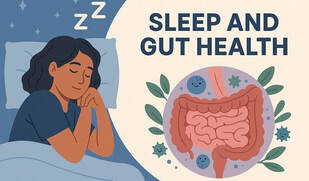
We're back this week with another post in our ongoing series on gut health, and this week, we're talking about sleep.
While you may not immediately think of sleep as the culprit for digestive problems, the relationship between sleep and gut health runs deeper than most people realize. Your digestive system doesn't just process the food you eat—it's intimately connected to your sleep patterns through complex biological pathways. Research indicates that sleep quality may be the missing link for those struggling with persistent digestive issues despite dietary changes.
Most health practitioners focus exclusively on what you eat when addressing gut problems. While nutrition certainly matters, this approach overlooks how your sleep schedule creates the foundation for digestive wellness. Your gut contains trillions of bacteria that depend on your body's natural rhythms to function properly. When sleep suffers, this delicate ecosystem quickly falls out of balance.
The truth is that even the most perfect diet can't compensate for poor sleep when it comes to gut health. Understanding this connection gives you a powerful tool for improving digestion naturally without relying solely on restrictive eating plans or supplements.
While you may not immediately think of sleep as the culprit for digestive problems, the relationship between sleep and gut health runs deeper than most people realize. Your digestive system doesn't just process the food you eat—it's intimately connected to your sleep patterns through complex biological pathways. Research indicates that sleep quality may be the missing link for those struggling with persistent digestive issues despite dietary changes.
Most health practitioners focus exclusively on what you eat when addressing gut problems. While nutrition certainly matters, this approach overlooks how your sleep schedule creates the foundation for digestive wellness. Your gut contains trillions of bacteria that depend on your body's natural rhythms to function properly. When sleep suffers, this delicate ecosystem quickly falls out of balance.
The truth is that even the most perfect diet can't compensate for poor sleep when it comes to gut health. Understanding this connection gives you a powerful tool for improving digestion naturally without relying solely on restrictive eating plans or supplements.
The Hidden Connection Between Sleep and Your Gut
Your gut and brain maintain a constant conversation through what scientists call the gut-brain axis. This bidirectional communication system uses neural pathways, immune signals, and hormones to synchronize your digestive function with your sleep-wake cycle. When you sleep well, this system operates smoothly. When you don't, the entire network becomes disrupted.
What's particularly fascinating is how your microbiome—the collection of bacteria in your gut—responds to sleep patterns. Research published in the Journal of Clinical Gastroenterology found that just two nights of poor sleep can significantly alter gut bacterial composition, reducing beneficial bacteria while allowing inflammatory strains to flourish. This shift happens remarkably quickly and can persist long after sleep normalizes.
Perhaps most surprising is the discovery that your gut actually produces many of the same neurotransmitters that regulate sleep, including serotonin and melatonin. In fact, over 90% of your body's serotonin—a precursor to sleep-inducing melatonin—is manufactured in your gut. This creates a feedback loop where poor sleep disrupts gut function, and gut disruption further impairs sleep quality.
How Poor Sleep Damages Your Digestive System
Sleep deprivation triggers a cascade of negative effects throughout your digestive tract. These changes don't just cause temporary discomfort—they can fundamentally alter how your body processes nutrients and maintains gut integrity over time.
Disruption of Gut Bacteria Balance
Your gut microbiome follows a daily rhythm that synchronizes with your sleep cycle. These bacteria rely on predictable patterns of activity and rest to maintain proper populations and functions. When sleep becomes irregular or insufficient, this carefully orchestrated balance falls apart quickly.
A groundbreaking 2019 study published in Cell found that just two consecutive nights of restricted sleep can reduce beneficial bacterial populations by up to 50%. The bacteria most affected include Bifidobacterium and Lactobacillus strains—precisely those associated with reduced inflammation and improved digestion. Meanwhile, pro-inflammatory bacteria like Enterobacteriaceae thrive in sleep-deprived conditions.
This microbial shift creates a vicious cycle. The inflammatory bacteria that multiply during poor sleep actually produce compounds that further disrupt sleep quality. Without intervention, this cycle can continue indefinitely, gradually eroding digestive health.
Increased Inflammation in the Digestive Tract
Sleep deprivation triggers your body to release inflammatory cytokines—chemical messengers that create an inflammatory response. While this reaction serves a purpose during infection or injury, chronic activation from poor sleep creates a state of ongoing inflammation throughout your digestive tract.
The inflammation doesn't stay contained to your gut. Studies show that gut inflammation triggered by poor sleep can spread systemically, potentially contributing to conditions ranging from skin problems to joint pain. This helps explain why improving sleep often resolves seemingly unrelated health complaints.
Perhaps most concerning is how this inflammation affects intestinal permeability. Sleep deprivation has been shown to loosen the tight junctions between intestinal cells, creating what's commonly called "leaky gut." This increased permeability allows partially digested food particles and bacterial components to enter circulation, triggering immune responses that further compromise digestion.
Slowed Digestive Motility and Constipation
Your digestive system relies on rhythmic muscle contractions called peristalsis to move food through your digestive tract. These movements follow a circadian pattern, becoming most active during daylight hours and slowing during sleep. When sleep patterns become irregular, this carefully timed motility pattern becomes disrupted.
Research published in the American Journal of Gastroenterology demonstrates that just one week of disrupted sleep can reduce gut motility by up to 30%, significantly increasing transit time. This slowdown explains why constipation is one of the most common digestive complaints among people with sleep issues. The longer food remains in your colon, the more water is absorbed, resulting in harder stools that are difficult to pass.
What makes this particularly problematic is that slowed motility allows harmful bacteria more time to interact with partially digested food, potentially leading to fermentation, gas production, and the release of inflammatory compounds. This creates the bloating and discomfort many people experience after poor sleep.
Heightened Stress Hormones That Irritate Your Gut
Sleep deprivation triggers your body to release stress hormones like cortisol and adrenaline. While these hormones serve important functions in the right amounts, chronically elevated levels from poor sleep wreak havoc on your digestive system. Cortisol diverts blood flow away from your digestive organs, reduces enzyme production, and tightens digestive muscles—creating the perfect storm for digestive distress.
Even more concerning is how these stress hormones affect your gut barrier function. Studies show that elevated cortisol can reduce the production of protective mucus in your intestinal lining and loosen the tight junctions between cells. This compromised barrier allows bacterial endotoxins to trigger immune responses, creating a state of low-grade inflammation throughout your digestive tract.
The effects can be felt almost immediately—many people notice increased acid reflux, stomach cramping, or urgent bowel movements during periods of poor sleep. These aren't just coincidental symptoms but direct physiological responses to sleep-induced stress hormone elevation.
7 Signs Your Sleep Is Hurting Your Gut Health
Identifying the connection between your sleep quality and digestive symptoms is the first step toward healing. While everyone's body responds differently, certain patterns tend to emerge when sleep disrupts gut function. If you experience several of these symptoms, especially when your sleep quality fluctuates, your digestive issues likely have a sleep component that needs addressing.
1. Bloating and Gas After Normal Meals
When sleep quality declines, even foods you normally tolerate well can suddenly cause uncomfortable bloating and excessive gas production. This happens because poor sleep alters both your gut bacteria composition and digestive enzyme production. Foods that once digested smoothly now ferment in your intestines, creating gas bubbles that stretch your intestinal walls and trigger discomfort.
What makes this particularly frustrating is that the bloating often feels unpredictable and disconnected from specific foods. You might eat the same meal on different days and experience completely different digestive responses based on your recent sleep quality. This inconsistency leads many people to unnecessarily restrict their diets when addressing sleep might resolve the issue.
2. Irregular Bowel Movements
Your bowel movement patterns are perhaps the most reliable indicator of the sleep-gut connection. When sleep suffers, you might notice alternating constipation and diarrhea, sometimes even within the same day. This erratic pattern reflects how sleep disruption affects your gut's motility, water absorption, and bacterial balance simultaneously.
Pay particular attention to morning bowel habits after poor sleep nights. Many people notice delayed morning bowel movements or a feeling of incomplete evacuation following restless nights. These symptoms often normalize quickly once sleep quality improves, confirming the direct relationship between sleep and bowel function.
3. Increased Food Sensitivities
One of the most overlooked effects of poor sleep is how it amplifies reactions to foods you could previously tolerate. This happens because sleep deprivation increases intestinal permeability (leaky gut), allowing partially digested food particles to interact more directly with your immune system. The result is a heightened immune response to foods that normally wouldn't trigger symptoms.
Common trigger foods during periods of poor sleep include dairy, gluten, highly processed items, and alcohol—substances that require robust digestive function to process properly. The increased sensitivity isn't imaginary but reflects real physiological changes in how your body interacts with these foods when sleep-deprived.
4. Persistent Heartburn or Acid Reflux
Sleep disruption alters the function of your lower esophageal sphincter (LES)—the valve that prevents stomach acid from flowing backward into your esophagus. Poor sleep relaxes this muscle, allowing acid to escape upward, especially when lying down. Additionally, sleep deprivation increases stress hormone production, which can boost stomach acid production while simultaneously reducing protective mucus secretion.
Many people notice that acid reflux symptoms worsen during periods of poor sleep, creating a frustrating cycle where reflux disrupts sleep, and sleep disruption worsens reflux. Breaking this cycle often requires addressing both the sleep component and the reflux symptoms simultaneously for lasting relief.
5. Stronger Sugar and Carb Cravings
The intense carbohydrate cravings you experience after poor sleep aren't simply a matter of willpower—they reflect actual hormonal changes in your gut-brain communication system. Sleep deprivation increases ghrelin (your hunger hormone) while decreasing leptin (your satiety hormone), creating powerful urges for quick-energy foods like refined carbohydrates and sugars.
These cravings create another problematic cycle for gut health. The refined carbohydrates you crave when sleep-deprived feed exactly the wrong types of gut bacteria, promoting inflammatory strains that further disrupt digestion. Meanwhile, these same bacteria produce compounds that can interfere with sleep quality, perpetuating the problem. Breaking this cycle requires addressing both sleep quality and strategic nutrition to rebalance gut bacteria.
The Science Behind the Sleep-Gut Connection
Understanding the biological mechanisms connecting sleep and gut function helps clarify why addressing sleep often resolves digestive issues that resist dietary interventions alone. Three primary systems coordinate this intricate relationship, working together to synchronize your digestive processes with your sleep-wake cycles.
Your Gut's Circadian Rhythm
Just like your brain, your digestive system follows its own internal clock that aligns with your sleep-wake cycle. This "gut clock" influences everything from enzyme secretion to motility patterns throughout your digestive tract. Research from the University of California shows that your gut bacteria follow this same rhythm, with different bacterial populations becoming more active at different times of day and night to optimize nutrient processing and immune function.
When you disrupt your sleep schedule—whether through shift work, jet lag, or inconsistent bedtimes—you throw this finely tuned gut clock into disarray. Studies demonstrate that even a 90-minute shift in sleep timing can alter gut bacterial populations within 48 hours. Your digestive organs no longer receive clear signals about when to prepare for food intake or rest and repair, leading to inefficient digestion and potential tissue damage over time.
This explains why many people with irregular sleep schedules experience chronic digestive complaints despite following otherwise healthy diets. Their gut clock remains perpetually confused, unable to establish the rhythmic patterns necessary for optimal function.
How Melatonin Affects Digestion
Melatonin is widely known as your sleep hormone, but few realize it's also produced in substantial quantities by your digestive system. Your gut contains at least 400 times more melatonin than your pineal gland, making it a major melatonin production site. This gut-derived melatonin serves crucial digestive functions beyond regulating sleep.
This powerful hormone reduces intestinal inflammation, strengthens your gut barrier function, and regulates the contractions that move food through your digestive tract. When sleep disruption alters melatonin production patterns, these protective functions become compromised. Evidence suggests that melatonin disruption may contribute to conditions like irritable bowel syndrome, inflammatory bowel disease, and even increased susceptibility to foodborne illness.
What's particularly interesting is that your gut microbiome can both respond to and influence melatonin production. Certain beneficial bacteria actually help convert dietary nutrients into melatonin precursors, while other strains have receptors that respond directly to melatonin signals. This creates another mechanism through which sleep quality directly impacts digestive function.
The Gut-Brain Axis During Sleep
During healthy sleep, your gut and brain engage in intensive communication through the vagus nerve and chemical messengers. This nightly conversation allows your digestive system to send status updates about nutrient levels, bacterial activity, and inflammatory markers to your brain. Meanwhile, your brain sends regulatory signals back to fine-tune digestive processes based on your body's overall needs.
Sleep disruption interrupts this critical information exchange. Research published in Nature Communications reveals that poor sleep quality reduces vagal nerve tone by up to 40%, significantly impairing this gut-brain communication. Without clear signals, your brain cannot properly regulate digestive processes, and your gut cannot effectively communicate its needs. The result is a system operating without proper coordination, leading to the diverse digestive symptoms associated with poor sleep.
This bidirectional relationship explains why digestive issues often accompany sleep problems, and vice versa. Addressing either component alone frequently fails to resolve symptoms because the entire communication network requires restoration through consistent, quality sleep.
4 Simple Sleep Habits That Can Heal Your Gut
Transforming your digestive health doesn't require extreme dietary restrictions or expensive supplements when you address the sleep component. These practical sleep strategies specifically target the biological mechanisms through which sleep influences gut function, offering a natural approach to healing digestive issues.
Rather than providing generic sleep advice, these techniques are specifically designed to synchronize your gut's circadian rhythm, optimize melatonin production, and enhance gut-brain communication during sleep. Each strategy addresses a specific aspect of the sleep-gut connection for comprehensive improvement.
1. Stick to a Consistent Sleep Schedule
Maintaining regular sleep and wake times—even on weekends—may be the single most powerful intervention for gut health. This consistency synchronizes your gut's internal clock with your brain's master clock, allowing digestive processes to follow their natural rhythm. Aim for no more than 30 minutes of variation in your sleep and wake times throughout the week, prioritizing consistency even over total sleep duration.
The benefits of this approach appear quickly—research shows that just five days of consistent sleep timing can significantly improve gut bacterial diversity and reduce inflammatory markers. For optimal results, pay special attention to your wake time, as morning light exposure helps reset your gut clock more effectively than controlling bedtime alone.
If shift work makes consistent timing impossible, focus instead on maintaining consistent intervals between sleep periods and meals. Your gut can adapt to an unusual schedule if the pattern remains predictable, allowing your digestive organs to anticipate periods of activity and rest.
2. Create a Pre-Bed Routine That Calms Digestion
The 60 minutes before sleep profoundly influence how your digestive system functions throughout the night. Developing a consistent pre-sleep routine signals your gut to prepare for its nighttime repair and restoration processes. Begin by dimming lights and reducing screen exposure, which helps boost natural melatonin production both in your brain and gut.
Including gentle abdominal self-massage in your routine can be particularly beneficial. Moving in clockwise circles around your navel stimulates the vagus nerve, enhancing gut-brain communication during sleep. For additional benefit, try a 5-minute seated forward fold, which physically compresses the digestive organs and encourages the release of gas that might otherwise cause discomfort during sleep.
Herbal teas containing lemon balm, chamomile, or ginger can further prepare your digestive system for rest. These herbs simultaneously calm your nervous system while reducing inflammation in your digestive tract. Avoid adding honey or other sweeteners, which can stimulate bacterial activity when your gut should be entering its rest phase.
3. Time Your Meals to Support Sleep and Gut Health
The timing of your final meal significantly impacts both sleep quality and overnight digestive processes. Research indicates that finishing your last substantial meal 3-4 hours before bedtime optimizes the relationship between sleep and digestion. This timing allows initial digestion to occur while you're still upright and active, reducing the risk of reflux while ensuring nutrients are available for your gut's overnight repair processes.
Morning meal timing matters equally for gut health. Consuming breakfast within an hour of waking helps reset your gut's circadian rhythm and signals digestive enzymes to activate. Those who struggle with morning appetite might consider a small protein-rich option like a handful of nuts or a simple yogurt to establish this important timing cue for their digestive system.
If nighttime hunger disrupts your sleep, a small (under 150 calorie) snack combining protein and complex carbohydrates about 30 minutes before bed can help. Options like a small banana with almond butter or a few whole-grain crackers with hummus provide stable blood sugar without overloading your digestive system during sleep.
4. Optimize Your Bedroom Environment
Your sleep environment directly influences your gut microbiome through multiple pathways. Temperature plays a particularly crucial role—research shows that sleeping in a room between 65-68°F (18-20°C) helps maintain optimal bacterial diversity in your gut. Cooler temperatures support the growth of beneficial Akkermansia bacteria, which strengthen your gut lining and reduce inflammation.
Complete darkness during sleep is equally important for gut health. Even minimal light exposure from digital devices or outside sources can suppress melatonin production in both your brain and gut. Using blackout curtains and eliminating electronics with indicator lights helps maximize this gut-protective hormone during sleep.
Consider adding white noise or nature sounds to mask disruptive environmental noises. Studies demonstrate that interrupted sleep—even without reducing total sleep time—significantly increases gut permeability and inflammation. Consistent background sound helps prevent these microawakenings that can damage your digestive system without you even realizing they've occurred.
Gut-Friendly Foods That Improve Sleep Quality
Strategic nutrition can enhance the sleep-gut connection from both directions. Certain foods contain compounds that simultaneously support healthy sleep while nourishing beneficial gut bacteria. Incorporating these options regularly creates a positive feedback loop where improved sleep enhances gut health, and better gut function promotes deeper sleep.
Tryptophan-Rich Foods for Melatonin Production
Tryptophan serves as the essential building block for both serotonin and melatonin—key neurotransmitters that regulate sleep and gut function. Foods naturally high in this amino acid help optimize the sleep-gut connection from both ends. Turkey, chicken, eggs, and pumpkin seeds provide readily available forms of tryptophan that your body can efficiently convert into these regulatory compounds.
What many people don't realize is that tryptophan absorption depends heavily on gut bacterial balance. Certain beneficial bacteria enhance tryptophan uptake, while inflammatory strains can interfere with its conversion to serotonin and melatonin. This creates another mechanism through which good sleep and gut health reinforce each other—better sleep improves the bacterial balance needed for tryptophan utilization, which further enhances sleep quality.
For optimal benefit, combine tryptophan-rich proteins with complex carbohydrates like sweet potatoes, quinoa, or oats. This combination helps tryptophan cross the blood-brain barrier more effectively, enhancing its sleep-promoting and gut-regulating effects.
Prebiotic Foods That Feed Good Gut Bacteria
Prebiotic fibers serve as the preferred food source for beneficial gut bacteria that support healthy sleep patterns. These specialized carbohydrates resist digestion in your small intestine and reach your colon intact, where they selectively nourish bacterial strains associated with improved sleep quality and reduced inflammation. Jerusalem artichokes, garlic, onions, leeks, asparagus, and slightly underripe bananas provide particularly effective prebiotic compounds.
Research from the University of Colorado found that just three days of increased prebiotic intake can measurably improve sleep efficiency and time spent in restorative deep sleep. The effect occurs through multiple mechanisms, including increased production of short-chain fatty acids that strengthen gut barrier function and regulate neurotransmitter production.
For those sensitive to fermentable fibers, start with small portions and gradually increase intake to allow your gut bacteria to adjust. Evening consumption of these prebiotic foods may offer the strongest sleep benefits, as they provide nourishment for beneficial bacteria during their most active growth period overnight.
Magnesium-Rich Options for Muscle Relaxation
Magnesium deficiency frequently underlies both sleep difficulties and digestive complaints. This essential mineral relaxes smooth muscle tissue throughout your digestive tract while also calming your central nervous system to promote deeper sleep. Foods naturally rich in magnesium include dark leafy greens, pumpkin seeds, almonds, black beans, and dark chocolate (70%+ cacao).
What makes magnesium particularly valuable for the sleep-gut connection is its role in regulating the stress response. Adequate magnesium helps moderate cortisol production, preventing the sleep-disrupting spikes that can damage gut integrity. Additionally, magnesium serves as a cofactor for enzymes involved in melatonin synthesis, supporting optimal production of this gut-protective hormone.
Consider incorporating magnesium-rich foods into your evening meals to maximize their sleep-enhancing effects. A simple spinach salad with pumpkin seeds, a handful of almonds, or a small piece of dark chocolate can provide enough magnesium to noticeably improve both sleep quality and gut comfort overnight.
When to Seek Professional Help
While improving sleep habits resolves many digestive issues, certain situations warrant professional evaluation. Understanding when to seek help ensures you address potential underlying conditions that may require specific treatment beyond sleep optimization.
Persistent Digestive Issues Despite Sleep Improvements
If you've maintained consistent, quality sleep for 3-4 weeks without significant improvement in digestive symptoms, consider consulting a healthcare provider. Persistent issues may indicate conditions like small intestinal bacterial overgrowth (SIBO), enzyme deficiencies, or structural problems that require specific treatment approaches. A functional medicine practitioner can order comprehensive stool testing to evaluate gut bacterial balance, inflammatory markers, and digestive enzyme activity beyond what sleep improvements alone can address.
Pay particular attention to symptoms like unintentional weight loss, visible blood in stool, severe persistent abdominal pain, or progressive worsening of symptoms despite improved sleep. These red flags suggest potential issues requiring immediate medical evaluation regardless of sleep quality. Remember that while the sleep-gut connection is powerful, it exists alongside other factors influencing digestive health that may need concurrent attention.
Signs of Sleep Disorders That Affect Gut Function
Certain sleep disorders create specific patterns of digestive disruption that require targeted intervention. Sleep apnea, characterized by breathing interruptions during sleep, creates oxidative stress and inflammation that can severely damage gut integrity. Signs include loud snoring, observed breathing pauses during sleep, morning headaches, and excessive daytime fatigue despite adequate sleep duration.
Restless legs syndrome and periodic limb movement disorder frequently co-occur with irritable bowel syndrome and small intestinal bacterial overgrowth. The connection likely involves shared neurotransmitter imbalances affecting both neurological function and gut motility. If you experience uncomfortable sensations in your legs when trying to sleep along with chronic digestive complaints, evaluation for these connected conditions may be warranted.
Sleep phase disorders—where your natural sleep timing conflicts with societal schedules—create chronic disruption in your gut's circadian rhythm. Signs include consistent difficulty falling asleep or waking at conventional times despite adequate sleep hygiene practices. When accompanied by predictable patterns of digestive symptoms, chronotherapy under professional guidance may help realign both your sleep cycle and gut function. To understand more about how sleep impacts digestive health, explore this insightful podcast.
Your 7-Day Sleep-Gut Reset Plan
This structured approach integrates the most effective sleep and dietary interventions to rapidly restore healthy gut function. Unlike restrictive elimination diets or harsh cleanses, this plan works by reestablishing your natural biological rhythms and supporting your body's innate healing processes. Most people notice significant improvements in digestive comfort and regularity within the first week.
The plan progressively builds sustainable habits rather than requiring drastic changes. Each day builds upon the previous one, creating compound benefits as your sleep quality and gut function begin reinforcing each other. You'll find the practices become increasingly natural as your body remembers its inherent rhythms.
Day 1-2: Establishing Your Sleep Foundation
Begin by setting consistent sleep and wake times that you'll maintain throughout the week, including weekends. Create complete darkness in your bedroom by removing electronics and using blackout curtains if needed. Establish a 30-minute pre-bed routine without screens, incorporating gentle stretching and perhaps a cup of chamomile tea. Focus on morning light exposure by spending 10-15 minutes outdoors shortly after waking, which helps reset your gut's circadian rhythm alongside your brain's master clock. These initial days may involve some adjustment discomfort as your body adapts, but this typically resolves quickly as your natural rhythms reestablish.
Day 3-5: Introducing Gut-Supporting Foods and Habits
While maintaining your sleep schedule, begin adding prebiotic foods to support beneficial gut bacteria. Include small portions of foods like bananas, oats, onions, and garlic in your meals. Establish regular meal timing with breakfast within an hour of waking and dinner at least 3 hours before bedtime. Add 5-10 minutes of diaphragmatic breathing before sleep, which activates your parasympathetic nervous system and enhances gut-brain communication overnight.
During these middle days, you may notice changes in bowel patterns as your gut microbiome begins shifting toward a healthier balance. Some people experience temporary increases in gas or bloating as beneficial bacteria populations expand. Stay hydrated and move regularly throughout the day to support comfortable transition.
Day 6-7: Fine-Tuning Your Personalized Routine
In the final days, add tryptophan-rich foods like turkey, eggs, or pumpkin seeds to your evening meal to enhance melatonin production. Experiment with a 12-hour overnight fasting window (such as 7pm to 7am) to allow complete digestive rest, which research shows significantly improves gut barrier function overnight. Observe which specific practices most noticeably improve your sleep quality and digestive comfort, and prioritize these for long-term integration. By day 7, most people report more predictable bowel movements, reduced bloating, improved energy upon waking, and fewer food sensitivities—all signs of restored gut-sleep harmony.
Restore Your Gut Health Through Better Sleep
The profound connection between sleep and gut health offers a powerful pathway to improved wellbeing without restrictive diets or complicated supplements. By focusing on quality sleep as a foundation for digestive health, you address the underlying rhythms and communication systems that regulate your entire digestive process. This approach often succeeds where dietary changes alone have failed because it restores your body's natural healing capacity rather than simply avoiding symptom triggers.
The most encouraging aspect of this approach is its sustainability. Unlike restrictive dietary protocols that often prove difficult to maintain long-term, improved sleep habits generally become self-reinforcing as you experience their benefits. Better sleep leads to improved gut function, which further enhances sleep quality, creating an upward spiral of wellbeing that maintains itself with minimal ongoing effort.
Frequently Asked Questions
As you implement these sleep strategies for improved gut health, you may encounter specific questions about how to adapt them to your unique circumstances. These common questions address the nuances of the sleep-gut connection and provide practical guidance for various situations.
Remember that individual responses vary based on existing gut conditions, current sleep patterns, and overall health status. The general principles remain consistent, but you may need to modify specific recommendations to suit your body's needs.
How many hours of sleep do I need for optimal gut health?
Most research indicates that 7-8 hours of quality sleep provides optimal support for gut health in adults. However, sleep consistency matters more than total duration for digestive function. Studies show that maintaining regular sleep timing—even with slightly shorter duration—produces better gut outcomes than longer but irregular sleep patterns. Focus on finding your personal sleep need by observing when you wake naturally without an alarm after several consecutive days of consistent bedtimes. This natural waking point typically indicates your optimal sleep duration for both cognitive function and digestive health.
Can sleeping pills affect my digestive system?
Many prescription sleep medications can disrupt normal gut function by altering gut motility, changing bacterial composition, and reducing the restorative properties of natural sleep. Benzodiazepines and Z-drugs (like Ambien) have been shown to reduce gut microbial diversity and increase inflammation markers when used regularly. These medications may provide short-term symptom relief but often worsen underlying digestive issues over time by disrupting the natural sleep architecture that supports gut healing.
If you currently rely on sleep medication, don't stop abruptly. Instead, work with a healthcare provider to gradually implement natural sleep improvements while slowly reducing medication dependence. Many people find that as their sleep-gut connection strengthens through natural methods, their need for sleep medication naturally diminishes.
Remember that abruptly stopping prescription sleep medication can cause rebound insomnia and withdrawal symptoms. Always work with your healthcare provider to create a safe transition plan.
Is napping helpful or harmful for gut health?
Strategic napping can support gut health when it complements rather than disrupts your primary sleep schedule. Brief naps (20-30 minutes) taken before 3pm generally don't interfere with nighttime sleep patterns or gut circadian rhythms. These short daytime rest periods can reduce stress hormone levels that would otherwise compromise gut barrier function. However, longer naps or those taken later in the day can disrupt your gut's internal clock, potentially worsening digestive symptoms by confusing the timing of digestive processes and bacterial activity cycles.
How quickly will I notice gut improvements after fixing my sleep?
Most people begin experiencing noticeable digestive improvements within 5-7 days of establishing consistent, quality sleep. Initial changes typically include more regular bowel movements, reduced morning bloating, and decreased sensitivity to previously problematic foods. More significant improvements in gut bacterial diversity and inflammatory markers generally require 3-4 weeks of consistent sleep habits. If you have long-standing gut issues, full restoration may take 2-3 months as your microbiome gradually rebalances and intestinal tissues heal. Tracking your symptoms daily can help you recognize subtle improvements that might otherwise go unnoticed during this gradual healing process.
Can probiotics help with sleep-related digestive issues?
Specific probiotic strains can support the sleep-gut connection by enhancing the production of sleep-regulating neurotransmitters and reducing inflammation that disrupts sleep quality. Look for products containing Lactobacillus rhamnosus, Lactobacillus reuteri, and Bifidobacterium longum, which research shows specifically support the gut-brain pathways involved in sleep regulation. Taking probiotics in the evening may offer stronger benefits by ensuring these beneficial bacteria are active during your digestive system's nighttime repair processes.
Remember that individual responses to probiotic strains vary based on your existing microbiome composition. If one formulation doesn't produce noticeable benefits within 3-4 weeks, trying a different strain combination may yield better results.
The connection between sleep and gut health represents one of the most accessible paths to improved wellbeing. By honoring your body's natural rhythms and supporting the biological systems that connect these vital functions, you can create the conditions for genuine healing that extends far beyond symptom management!
To your health,
Rose.
Your gut and brain maintain a constant conversation through what scientists call the gut-brain axis. This bidirectional communication system uses neural pathways, immune signals, and hormones to synchronize your digestive function with your sleep-wake cycle. When you sleep well, this system operates smoothly. When you don't, the entire network becomes disrupted.
What's particularly fascinating is how your microbiome—the collection of bacteria in your gut—responds to sleep patterns. Research published in the Journal of Clinical Gastroenterology found that just two nights of poor sleep can significantly alter gut bacterial composition, reducing beneficial bacteria while allowing inflammatory strains to flourish. This shift happens remarkably quickly and can persist long after sleep normalizes.
Perhaps most surprising is the discovery that your gut actually produces many of the same neurotransmitters that regulate sleep, including serotonin and melatonin. In fact, over 90% of your body's serotonin—a precursor to sleep-inducing melatonin—is manufactured in your gut. This creates a feedback loop where poor sleep disrupts gut function, and gut disruption further impairs sleep quality.
How Poor Sleep Damages Your Digestive System
Sleep deprivation triggers a cascade of negative effects throughout your digestive tract. These changes don't just cause temporary discomfort—they can fundamentally alter how your body processes nutrients and maintains gut integrity over time.
- Reduced digestive enzyme production leading to incomplete food breakdown
- Decreased mucus production that normally protects gut lining
- Impaired intestinal barrier function allowing food particles to trigger inflammation
- Altered gut motility changing how quickly food moves through your system
- Disrupted hunger hormone regulation increasing cravings for inflammatory foods
Disruption of Gut Bacteria Balance
Your gut microbiome follows a daily rhythm that synchronizes with your sleep cycle. These bacteria rely on predictable patterns of activity and rest to maintain proper populations and functions. When sleep becomes irregular or insufficient, this carefully orchestrated balance falls apart quickly.
A groundbreaking 2019 study published in Cell found that just two consecutive nights of restricted sleep can reduce beneficial bacterial populations by up to 50%. The bacteria most affected include Bifidobacterium and Lactobacillus strains—precisely those associated with reduced inflammation and improved digestion. Meanwhile, pro-inflammatory bacteria like Enterobacteriaceae thrive in sleep-deprived conditions.
This microbial shift creates a vicious cycle. The inflammatory bacteria that multiply during poor sleep actually produce compounds that further disrupt sleep quality. Without intervention, this cycle can continue indefinitely, gradually eroding digestive health.
Increased Inflammation in the Digestive Tract
Sleep deprivation triggers your body to release inflammatory cytokines—chemical messengers that create an inflammatory response. While this reaction serves a purpose during infection or injury, chronic activation from poor sleep creates a state of ongoing inflammation throughout your digestive tract.
The inflammation doesn't stay contained to your gut. Studies show that gut inflammation triggered by poor sleep can spread systemically, potentially contributing to conditions ranging from skin problems to joint pain. This helps explain why improving sleep often resolves seemingly unrelated health complaints.
Perhaps most concerning is how this inflammation affects intestinal permeability. Sleep deprivation has been shown to loosen the tight junctions between intestinal cells, creating what's commonly called "leaky gut." This increased permeability allows partially digested food particles and bacterial components to enter circulation, triggering immune responses that further compromise digestion.
Slowed Digestive Motility and Constipation
Your digestive system relies on rhythmic muscle contractions called peristalsis to move food through your digestive tract. These movements follow a circadian pattern, becoming most active during daylight hours and slowing during sleep. When sleep patterns become irregular, this carefully timed motility pattern becomes disrupted.
Research published in the American Journal of Gastroenterology demonstrates that just one week of disrupted sleep can reduce gut motility by up to 30%, significantly increasing transit time. This slowdown explains why constipation is one of the most common digestive complaints among people with sleep issues. The longer food remains in your colon, the more water is absorbed, resulting in harder stools that are difficult to pass.
What makes this particularly problematic is that slowed motility allows harmful bacteria more time to interact with partially digested food, potentially leading to fermentation, gas production, and the release of inflammatory compounds. This creates the bloating and discomfort many people experience after poor sleep.
Heightened Stress Hormones That Irritate Your Gut
Sleep deprivation triggers your body to release stress hormones like cortisol and adrenaline. While these hormones serve important functions in the right amounts, chronically elevated levels from poor sleep wreak havoc on your digestive system. Cortisol diverts blood flow away from your digestive organs, reduces enzyme production, and tightens digestive muscles—creating the perfect storm for digestive distress.
Even more concerning is how these stress hormones affect your gut barrier function. Studies show that elevated cortisol can reduce the production of protective mucus in your intestinal lining and loosen the tight junctions between cells. This compromised barrier allows bacterial endotoxins to trigger immune responses, creating a state of low-grade inflammation throughout your digestive tract.
The effects can be felt almost immediately—many people notice increased acid reflux, stomach cramping, or urgent bowel movements during periods of poor sleep. These aren't just coincidental symptoms but direct physiological responses to sleep-induced stress hormone elevation.
7 Signs Your Sleep Is Hurting Your Gut Health
Identifying the connection between your sleep quality and digestive symptoms is the first step toward healing. While everyone's body responds differently, certain patterns tend to emerge when sleep disrupts gut function. If you experience several of these symptoms, especially when your sleep quality fluctuates, your digestive issues likely have a sleep component that needs addressing.
1. Bloating and Gas After Normal Meals
When sleep quality declines, even foods you normally tolerate well can suddenly cause uncomfortable bloating and excessive gas production. This happens because poor sleep alters both your gut bacteria composition and digestive enzyme production. Foods that once digested smoothly now ferment in your intestines, creating gas bubbles that stretch your intestinal walls and trigger discomfort.
What makes this particularly frustrating is that the bloating often feels unpredictable and disconnected from specific foods. You might eat the same meal on different days and experience completely different digestive responses based on your recent sleep quality. This inconsistency leads many people to unnecessarily restrict their diets when addressing sleep might resolve the issue.
2. Irregular Bowel Movements
Your bowel movement patterns are perhaps the most reliable indicator of the sleep-gut connection. When sleep suffers, you might notice alternating constipation and diarrhea, sometimes even within the same day. This erratic pattern reflects how sleep disruption affects your gut's motility, water absorption, and bacterial balance simultaneously.
Pay particular attention to morning bowel habits after poor sleep nights. Many people notice delayed morning bowel movements or a feeling of incomplete evacuation following restless nights. These symptoms often normalize quickly once sleep quality improves, confirming the direct relationship between sleep and bowel function.
3. Increased Food Sensitivities
One of the most overlooked effects of poor sleep is how it amplifies reactions to foods you could previously tolerate. This happens because sleep deprivation increases intestinal permeability (leaky gut), allowing partially digested food particles to interact more directly with your immune system. The result is a heightened immune response to foods that normally wouldn't trigger symptoms.
Common trigger foods during periods of poor sleep include dairy, gluten, highly processed items, and alcohol—substances that require robust digestive function to process properly. The increased sensitivity isn't imaginary but reflects real physiological changes in how your body interacts with these foods when sleep-deprived.
4. Persistent Heartburn or Acid Reflux
Sleep disruption alters the function of your lower esophageal sphincter (LES)—the valve that prevents stomach acid from flowing backward into your esophagus. Poor sleep relaxes this muscle, allowing acid to escape upward, especially when lying down. Additionally, sleep deprivation increases stress hormone production, which can boost stomach acid production while simultaneously reducing protective mucus secretion.
Many people notice that acid reflux symptoms worsen during periods of poor sleep, creating a frustrating cycle where reflux disrupts sleep, and sleep disruption worsens reflux. Breaking this cycle often requires addressing both the sleep component and the reflux symptoms simultaneously for lasting relief.
5. Stronger Sugar and Carb Cravings
The intense carbohydrate cravings you experience after poor sleep aren't simply a matter of willpower—they reflect actual hormonal changes in your gut-brain communication system. Sleep deprivation increases ghrelin (your hunger hormone) while decreasing leptin (your satiety hormone), creating powerful urges for quick-energy foods like refined carbohydrates and sugars.
These cravings create another problematic cycle for gut health. The refined carbohydrates you crave when sleep-deprived feed exactly the wrong types of gut bacteria, promoting inflammatory strains that further disrupt digestion. Meanwhile, these same bacteria produce compounds that can interfere with sleep quality, perpetuating the problem. Breaking this cycle requires addressing both sleep quality and strategic nutrition to rebalance gut bacteria.
The Science Behind the Sleep-Gut Connection
Understanding the biological mechanisms connecting sleep and gut function helps clarify why addressing sleep often resolves digestive issues that resist dietary interventions alone. Three primary systems coordinate this intricate relationship, working together to synchronize your digestive processes with your sleep-wake cycles.
Your Gut's Circadian Rhythm
Just like your brain, your digestive system follows its own internal clock that aligns with your sleep-wake cycle. This "gut clock" influences everything from enzyme secretion to motility patterns throughout your digestive tract. Research from the University of California shows that your gut bacteria follow this same rhythm, with different bacterial populations becoming more active at different times of day and night to optimize nutrient processing and immune function.
When you disrupt your sleep schedule—whether through shift work, jet lag, or inconsistent bedtimes—you throw this finely tuned gut clock into disarray. Studies demonstrate that even a 90-minute shift in sleep timing can alter gut bacterial populations within 48 hours. Your digestive organs no longer receive clear signals about when to prepare for food intake or rest and repair, leading to inefficient digestion and potential tissue damage over time.
This explains why many people with irregular sleep schedules experience chronic digestive complaints despite following otherwise healthy diets. Their gut clock remains perpetually confused, unable to establish the rhythmic patterns necessary for optimal function.
How Melatonin Affects Digestion
Melatonin is widely known as your sleep hormone, but few realize it's also produced in substantial quantities by your digestive system. Your gut contains at least 400 times more melatonin than your pineal gland, making it a major melatonin production site. This gut-derived melatonin serves crucial digestive functions beyond regulating sleep.
This powerful hormone reduces intestinal inflammation, strengthens your gut barrier function, and regulates the contractions that move food through your digestive tract. When sleep disruption alters melatonin production patterns, these protective functions become compromised. Evidence suggests that melatonin disruption may contribute to conditions like irritable bowel syndrome, inflammatory bowel disease, and even increased susceptibility to foodborne illness.
What's particularly interesting is that your gut microbiome can both respond to and influence melatonin production. Certain beneficial bacteria actually help convert dietary nutrients into melatonin precursors, while other strains have receptors that respond directly to melatonin signals. This creates another mechanism through which sleep quality directly impacts digestive function.
The Gut-Brain Axis During Sleep
During healthy sleep, your gut and brain engage in intensive communication through the vagus nerve and chemical messengers. This nightly conversation allows your digestive system to send status updates about nutrient levels, bacterial activity, and inflammatory markers to your brain. Meanwhile, your brain sends regulatory signals back to fine-tune digestive processes based on your body's overall needs.
Sleep disruption interrupts this critical information exchange. Research published in Nature Communications reveals that poor sleep quality reduces vagal nerve tone by up to 40%, significantly impairing this gut-brain communication. Without clear signals, your brain cannot properly regulate digestive processes, and your gut cannot effectively communicate its needs. The result is a system operating without proper coordination, leading to the diverse digestive symptoms associated with poor sleep.
This bidirectional relationship explains why digestive issues often accompany sleep problems, and vice versa. Addressing either component alone frequently fails to resolve symptoms because the entire communication network requires restoration through consistent, quality sleep.
4 Simple Sleep Habits That Can Heal Your Gut
Transforming your digestive health doesn't require extreme dietary restrictions or expensive supplements when you address the sleep component. These practical sleep strategies specifically target the biological mechanisms through which sleep influences gut function, offering a natural approach to healing digestive issues.
Rather than providing generic sleep advice, these techniques are specifically designed to synchronize your gut's circadian rhythm, optimize melatonin production, and enhance gut-brain communication during sleep. Each strategy addresses a specific aspect of the sleep-gut connection for comprehensive improvement.
1. Stick to a Consistent Sleep Schedule
Maintaining regular sleep and wake times—even on weekends—may be the single most powerful intervention for gut health. This consistency synchronizes your gut's internal clock with your brain's master clock, allowing digestive processes to follow their natural rhythm. Aim for no more than 30 minutes of variation in your sleep and wake times throughout the week, prioritizing consistency even over total sleep duration.
The benefits of this approach appear quickly—research shows that just five days of consistent sleep timing can significantly improve gut bacterial diversity and reduce inflammatory markers. For optimal results, pay special attention to your wake time, as morning light exposure helps reset your gut clock more effectively than controlling bedtime alone.
If shift work makes consistent timing impossible, focus instead on maintaining consistent intervals between sleep periods and meals. Your gut can adapt to an unusual schedule if the pattern remains predictable, allowing your digestive organs to anticipate periods of activity and rest.
2. Create a Pre-Bed Routine That Calms Digestion
The 60 minutes before sleep profoundly influence how your digestive system functions throughout the night. Developing a consistent pre-sleep routine signals your gut to prepare for its nighttime repair and restoration processes. Begin by dimming lights and reducing screen exposure, which helps boost natural melatonin production both in your brain and gut.
Including gentle abdominal self-massage in your routine can be particularly beneficial. Moving in clockwise circles around your navel stimulates the vagus nerve, enhancing gut-brain communication during sleep. For additional benefit, try a 5-minute seated forward fold, which physically compresses the digestive organs and encourages the release of gas that might otherwise cause discomfort during sleep.
Herbal teas containing lemon balm, chamomile, or ginger can further prepare your digestive system for rest. These herbs simultaneously calm your nervous system while reducing inflammation in your digestive tract. Avoid adding honey or other sweeteners, which can stimulate bacterial activity when your gut should be entering its rest phase.
3. Time Your Meals to Support Sleep and Gut Health
The timing of your final meal significantly impacts both sleep quality and overnight digestive processes. Research indicates that finishing your last substantial meal 3-4 hours before bedtime optimizes the relationship between sleep and digestion. This timing allows initial digestion to occur while you're still upright and active, reducing the risk of reflux while ensuring nutrients are available for your gut's overnight repair processes.
Morning meal timing matters equally for gut health. Consuming breakfast within an hour of waking helps reset your gut's circadian rhythm and signals digestive enzymes to activate. Those who struggle with morning appetite might consider a small protein-rich option like a handful of nuts or a simple yogurt to establish this important timing cue for their digestive system.
If nighttime hunger disrupts your sleep, a small (under 150 calorie) snack combining protein and complex carbohydrates about 30 minutes before bed can help. Options like a small banana with almond butter or a few whole-grain crackers with hummus provide stable blood sugar without overloading your digestive system during sleep.
4. Optimize Your Bedroom Environment
Your sleep environment directly influences your gut microbiome through multiple pathways. Temperature plays a particularly crucial role—research shows that sleeping in a room between 65-68°F (18-20°C) helps maintain optimal bacterial diversity in your gut. Cooler temperatures support the growth of beneficial Akkermansia bacteria, which strengthen your gut lining and reduce inflammation.
Complete darkness during sleep is equally important for gut health. Even minimal light exposure from digital devices or outside sources can suppress melatonin production in both your brain and gut. Using blackout curtains and eliminating electronics with indicator lights helps maximize this gut-protective hormone during sleep.
Consider adding white noise or nature sounds to mask disruptive environmental noises. Studies demonstrate that interrupted sleep—even without reducing total sleep time—significantly increases gut permeability and inflammation. Consistent background sound helps prevent these microawakenings that can damage your digestive system without you even realizing they've occurred.
Gut-Friendly Foods That Improve Sleep Quality
Strategic nutrition can enhance the sleep-gut connection from both directions. Certain foods contain compounds that simultaneously support healthy sleep while nourishing beneficial gut bacteria. Incorporating these options regularly creates a positive feedback loop where improved sleep enhances gut health, and better gut function promotes deeper sleep.
Tryptophan-Rich Foods for Melatonin Production
Tryptophan serves as the essential building block for both serotonin and melatonin—key neurotransmitters that regulate sleep and gut function. Foods naturally high in this amino acid help optimize the sleep-gut connection from both ends. Turkey, chicken, eggs, and pumpkin seeds provide readily available forms of tryptophan that your body can efficiently convert into these regulatory compounds.
What many people don't realize is that tryptophan absorption depends heavily on gut bacterial balance. Certain beneficial bacteria enhance tryptophan uptake, while inflammatory strains can interfere with its conversion to serotonin and melatonin. This creates another mechanism through which good sleep and gut health reinforce each other—better sleep improves the bacterial balance needed for tryptophan utilization, which further enhances sleep quality.
For optimal benefit, combine tryptophan-rich proteins with complex carbohydrates like sweet potatoes, quinoa, or oats. This combination helps tryptophan cross the blood-brain barrier more effectively, enhancing its sleep-promoting and gut-regulating effects.
Prebiotic Foods That Feed Good Gut Bacteria
Prebiotic fibers serve as the preferred food source for beneficial gut bacteria that support healthy sleep patterns. These specialized carbohydrates resist digestion in your small intestine and reach your colon intact, where they selectively nourish bacterial strains associated with improved sleep quality and reduced inflammation. Jerusalem artichokes, garlic, onions, leeks, asparagus, and slightly underripe bananas provide particularly effective prebiotic compounds.
Research from the University of Colorado found that just three days of increased prebiotic intake can measurably improve sleep efficiency and time spent in restorative deep sleep. The effect occurs through multiple mechanisms, including increased production of short-chain fatty acids that strengthen gut barrier function and regulate neurotransmitter production.
For those sensitive to fermentable fibers, start with small portions and gradually increase intake to allow your gut bacteria to adjust. Evening consumption of these prebiotic foods may offer the strongest sleep benefits, as they provide nourishment for beneficial bacteria during their most active growth period overnight.
Magnesium-Rich Options for Muscle Relaxation
Magnesium deficiency frequently underlies both sleep difficulties and digestive complaints. This essential mineral relaxes smooth muscle tissue throughout your digestive tract while also calming your central nervous system to promote deeper sleep. Foods naturally rich in magnesium include dark leafy greens, pumpkin seeds, almonds, black beans, and dark chocolate (70%+ cacao).
What makes magnesium particularly valuable for the sleep-gut connection is its role in regulating the stress response. Adequate magnesium helps moderate cortisol production, preventing the sleep-disrupting spikes that can damage gut integrity. Additionally, magnesium serves as a cofactor for enzymes involved in melatonin synthesis, supporting optimal production of this gut-protective hormone.
Consider incorporating magnesium-rich foods into your evening meals to maximize their sleep-enhancing effects. A simple spinach salad with pumpkin seeds, a handful of almonds, or a small piece of dark chocolate can provide enough magnesium to noticeably improve both sleep quality and gut comfort overnight.
When to Seek Professional Help
While improving sleep habits resolves many digestive issues, certain situations warrant professional evaluation. Understanding when to seek help ensures you address potential underlying conditions that may require specific treatment beyond sleep optimization.
Persistent Digestive Issues Despite Sleep Improvements
If you've maintained consistent, quality sleep for 3-4 weeks without significant improvement in digestive symptoms, consider consulting a healthcare provider. Persistent issues may indicate conditions like small intestinal bacterial overgrowth (SIBO), enzyme deficiencies, or structural problems that require specific treatment approaches. A functional medicine practitioner can order comprehensive stool testing to evaluate gut bacterial balance, inflammatory markers, and digestive enzyme activity beyond what sleep improvements alone can address.
Pay particular attention to symptoms like unintentional weight loss, visible blood in stool, severe persistent abdominal pain, or progressive worsening of symptoms despite improved sleep. These red flags suggest potential issues requiring immediate medical evaluation regardless of sleep quality. Remember that while the sleep-gut connection is powerful, it exists alongside other factors influencing digestive health that may need concurrent attention.
Signs of Sleep Disorders That Affect Gut Function
Certain sleep disorders create specific patterns of digestive disruption that require targeted intervention. Sleep apnea, characterized by breathing interruptions during sleep, creates oxidative stress and inflammation that can severely damage gut integrity. Signs include loud snoring, observed breathing pauses during sleep, morning headaches, and excessive daytime fatigue despite adequate sleep duration.
Restless legs syndrome and periodic limb movement disorder frequently co-occur with irritable bowel syndrome and small intestinal bacterial overgrowth. The connection likely involves shared neurotransmitter imbalances affecting both neurological function and gut motility. If you experience uncomfortable sensations in your legs when trying to sleep along with chronic digestive complaints, evaluation for these connected conditions may be warranted.
Sleep phase disorders—where your natural sleep timing conflicts with societal schedules—create chronic disruption in your gut's circadian rhythm. Signs include consistent difficulty falling asleep or waking at conventional times despite adequate sleep hygiene practices. When accompanied by predictable patterns of digestive symptoms, chronotherapy under professional guidance may help realign both your sleep cycle and gut function. To understand more about how sleep impacts digestive health, explore this insightful podcast.
Your 7-Day Sleep-Gut Reset Plan
This structured approach integrates the most effective sleep and dietary interventions to rapidly restore healthy gut function. Unlike restrictive elimination diets or harsh cleanses, this plan works by reestablishing your natural biological rhythms and supporting your body's innate healing processes. Most people notice significant improvements in digestive comfort and regularity within the first week.
The plan progressively builds sustainable habits rather than requiring drastic changes. Each day builds upon the previous one, creating compound benefits as your sleep quality and gut function begin reinforcing each other. You'll find the practices become increasingly natural as your body remembers its inherent rhythms.
Day 1-2: Establishing Your Sleep Foundation
Begin by setting consistent sleep and wake times that you'll maintain throughout the week, including weekends. Create complete darkness in your bedroom by removing electronics and using blackout curtains if needed. Establish a 30-minute pre-bed routine without screens, incorporating gentle stretching and perhaps a cup of chamomile tea. Focus on morning light exposure by spending 10-15 minutes outdoors shortly after waking, which helps reset your gut's circadian rhythm alongside your brain's master clock. These initial days may involve some adjustment discomfort as your body adapts, but this typically resolves quickly as your natural rhythms reestablish.
Day 3-5: Introducing Gut-Supporting Foods and Habits
While maintaining your sleep schedule, begin adding prebiotic foods to support beneficial gut bacteria. Include small portions of foods like bananas, oats, onions, and garlic in your meals. Establish regular meal timing with breakfast within an hour of waking and dinner at least 3 hours before bedtime. Add 5-10 minutes of diaphragmatic breathing before sleep, which activates your parasympathetic nervous system and enhances gut-brain communication overnight.
During these middle days, you may notice changes in bowel patterns as your gut microbiome begins shifting toward a healthier balance. Some people experience temporary increases in gas or bloating as beneficial bacteria populations expand. Stay hydrated and move regularly throughout the day to support comfortable transition.
Day 6-7: Fine-Tuning Your Personalized Routine
In the final days, add tryptophan-rich foods like turkey, eggs, or pumpkin seeds to your evening meal to enhance melatonin production. Experiment with a 12-hour overnight fasting window (such as 7pm to 7am) to allow complete digestive rest, which research shows significantly improves gut barrier function overnight. Observe which specific practices most noticeably improve your sleep quality and digestive comfort, and prioritize these for long-term integration. By day 7, most people report more predictable bowel movements, reduced bloating, improved energy upon waking, and fewer food sensitivities—all signs of restored gut-sleep harmony.
Restore Your Gut Health Through Better Sleep
The profound connection between sleep and gut health offers a powerful pathway to improved wellbeing without restrictive diets or complicated supplements. By focusing on quality sleep as a foundation for digestive health, you address the underlying rhythms and communication systems that regulate your entire digestive process. This approach often succeeds where dietary changes alone have failed because it restores your body's natural healing capacity rather than simply avoiding symptom triggers.
- Prioritize sleep consistency over duration for optimal gut function
- Create complete darkness for maximum gut-protective melatonin production
- Establish regular meal timing that respects your gut's circadian rhythm
- Include prebiotic foods that nourish beneficial, sleep-supporting bacteria
- Allow 3-4 weeks of consistent practice for full restoration of gut-sleep harmony
The most encouraging aspect of this approach is its sustainability. Unlike restrictive dietary protocols that often prove difficult to maintain long-term, improved sleep habits generally become self-reinforcing as you experience their benefits. Better sleep leads to improved gut function, which further enhances sleep quality, creating an upward spiral of wellbeing that maintains itself with minimal ongoing effort.
Frequently Asked Questions
As you implement these sleep strategies for improved gut health, you may encounter specific questions about how to adapt them to your unique circumstances. These common questions address the nuances of the sleep-gut connection and provide practical guidance for various situations.
Remember that individual responses vary based on existing gut conditions, current sleep patterns, and overall health status. The general principles remain consistent, but you may need to modify specific recommendations to suit your body's needs.
How many hours of sleep do I need for optimal gut health?
Most research indicates that 7-8 hours of quality sleep provides optimal support for gut health in adults. However, sleep consistency matters more than total duration for digestive function. Studies show that maintaining regular sleep timing—even with slightly shorter duration—produces better gut outcomes than longer but irregular sleep patterns. Focus on finding your personal sleep need by observing when you wake naturally without an alarm after several consecutive days of consistent bedtimes. This natural waking point typically indicates your optimal sleep duration for both cognitive function and digestive health.
Can sleeping pills affect my digestive system?
Many prescription sleep medications can disrupt normal gut function by altering gut motility, changing bacterial composition, and reducing the restorative properties of natural sleep. Benzodiazepines and Z-drugs (like Ambien) have been shown to reduce gut microbial diversity and increase inflammation markers when used regularly. These medications may provide short-term symptom relief but often worsen underlying digestive issues over time by disrupting the natural sleep architecture that supports gut healing.
If you currently rely on sleep medication, don't stop abruptly. Instead, work with a healthcare provider to gradually implement natural sleep improvements while slowly reducing medication dependence. Many people find that as their sleep-gut connection strengthens through natural methods, their need for sleep medication naturally diminishes.
- Melatonin supplements (0.5-3mg) may offer a gentler alternative that actually supports gut function
- Magnesium glycinate (200-400mg) before bed improves both sleep quality and digestive comfort
- L-theanine (200mg) promotes relaxation without digestive side effects
- Valerian root tea supports GABA production for natural sleep without disrupting gut function
Remember that abruptly stopping prescription sleep medication can cause rebound insomnia and withdrawal symptoms. Always work with your healthcare provider to create a safe transition plan.
Is napping helpful or harmful for gut health?
Strategic napping can support gut health when it complements rather than disrupts your primary sleep schedule. Brief naps (20-30 minutes) taken before 3pm generally don't interfere with nighttime sleep patterns or gut circadian rhythms. These short daytime rest periods can reduce stress hormone levels that would otherwise compromise gut barrier function. However, longer naps or those taken later in the day can disrupt your gut's internal clock, potentially worsening digestive symptoms by confusing the timing of digestive processes and bacterial activity cycles.
How quickly will I notice gut improvements after fixing my sleep?
Most people begin experiencing noticeable digestive improvements within 5-7 days of establishing consistent, quality sleep. Initial changes typically include more regular bowel movements, reduced morning bloating, and decreased sensitivity to previously problematic foods. More significant improvements in gut bacterial diversity and inflammatory markers generally require 3-4 weeks of consistent sleep habits. If you have long-standing gut issues, full restoration may take 2-3 months as your microbiome gradually rebalances and intestinal tissues heal. Tracking your symptoms daily can help you recognize subtle improvements that might otherwise go unnoticed during this gradual healing process.
Can probiotics help with sleep-related digestive issues?
Specific probiotic strains can support the sleep-gut connection by enhancing the production of sleep-regulating neurotransmitters and reducing inflammation that disrupts sleep quality. Look for products containing Lactobacillus rhamnosus, Lactobacillus reuteri, and Bifidobacterium longum, which research shows specifically support the gut-brain pathways involved in sleep regulation. Taking probiotics in the evening may offer stronger benefits by ensuring these beneficial bacteria are active during your digestive system's nighttime repair processes.
- Lactobacillus rhamnosus increases GABA production, promoting relaxation and deeper sleep
- Bifidobacterium longum reduces cortisol levels and anxiety that can disrupt sleep
- Lactobacillus reuteri decreases gut inflammation that often interferes with sleep quality
- Lactobacillus plantarum enhances tryptophan absorption for better melatonin production
Remember that individual responses to probiotic strains vary based on your existing microbiome composition. If one formulation doesn't produce noticeable benefits within 3-4 weeks, trying a different strain combination may yield better results.
The connection between sleep and gut health represents one of the most accessible paths to improved wellbeing. By honoring your body's natural rhythms and supporting the biological systems that connect these vital functions, you can create the conditions for genuine healing that extends far beyond symptom management!
To your health,
Rose.


 RSS Feed