
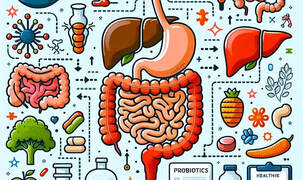
We are back from our lovely vacation in Minnesota (which was actually glorious weather this year!) and this week, I've got another installment in our gut health series for you.
This time, we're taking a comprehensive look at the entire digestive system, as only by fully understanding how this important system works can you properly manage your gut health, which, as we've discussed before, is so important to just about every other facet of your overall health.
So let's take a deeper dive into how you digest your food, the different stages of digestion, what foods support your gut health (and what foods to avoid), other factors that impact your digestion and your gut health, and more!
This time, we're taking a comprehensive look at the entire digestive system, as only by fully understanding how this important system works can you properly manage your gut health, which, as we've discussed before, is so important to just about every other facet of your overall health.
So let's take a deeper dive into how you digest your food, the different stages of digestion, what foods support your gut health (and what foods to avoid), other factors that impact your digestion and your gut health, and more!
Your gut does far more than just digest food. This complex ecosystem influences everything from your immune system to your mental health. Understanding how it works is the first step toward optimal wellness, which is why we emphasize the importance of gut health education for everyone.
Think of your digestive system as the foundation of your health—when it's functioning properly, you feel energetic, clear-headed, and resilient against illness. When it's not, almost every aspect of your well-being can suffer. Let's explore what makes this system so vital and how you can support its natural processes.
Your Digestive System: The Foundation of Overall Health
Your digestive system is a sophisticated network of organs working in harmony to break down food, absorb nutrients, and eliminate waste. When functioning optimally, it provides your body with the building blocks needed for energy, cell repair, and overall health. Beyond simple nutrition, a healthy gut contributes to strong immunity, balanced hormones, and even stable mood.
The health of your digestive system directly impacts how you feel daily. Digestive issues don't just cause physical discomfort—they can trigger a cascade of effects throughout your body, from inflammation to nutrient deficiencies that affect everything from your skin to your brain function. To understand more about how this process works, you can explore how your digestive system functions.
The Gut Microbiome: Trillions of Tiny Helpers
Inside your digestive tract lives an astonishing community of microorganisms known as the gut microbiome. This complex ecosystem contains approximately 100 trillion bacteria, fungi, and other microbes—more than ten times the number of cells in your entire body. These microscopic inhabitants aren't just passive residents; they're active participants in your health, influencing everything from how you digest food to how your immune system functions.
What Exactly Lives in Your Gut
Your gut microbiome is remarkably diverse, containing hundreds of different species of bacteria. The most common belong to several major groups including Bacteroidetes, Firmicutes, Actinobacteria, and Proteobacteria. Each person's microbiome is as unique as their fingerprint, shaped by genetics, diet, environment, medications, and lifestyle factors.
This diversity is crucial: a varied microbiome generally indicates better health. When certain bacterial populations dominate or beneficial species decline, digestive and health issues often follow. Research increasingly shows that microbiome imbalances may contribute to conditions ranging from inflammatory bowel disease to anxiety and depression.
How Good Bacteria Support Digestion
Beneficial gut bacteria are essential workers in your digestive process. They break down complex carbohydrates and fiber that your body can't digest on its own, producing short-chain fatty acids that nourish your gut lining. These bacteria also help produce certain vitamins, particularly B vitamins and vitamin K, which your body needs but cannot synthesize independently.
Your gut flora also acts as gatekeepers, helping to regulate what passes through your intestinal lining into your bloodstream. A healthy bacterial balance strengthens this barrier function, preventing undigested food particles and toxins from triggering inflammation throughout your body.
"The gut microbiome weighs about 2-5 pounds—roughly the same as your brain—and contains 100 times more genes than your human genome. It's essentially like having a second brain and second genome influencing your health."
The Gut-Brain Connection: Why Your Digestive System Affects Your Mood
One of the most fascinating aspects of gut health is the gut-brain axis—a two-way communication network between your digestive system and your brain. Your gut actually contains its own nervous system, often called the "second brain" or enteric nervous system, with more than 500 million neurons. These neurons communicate with your brain through the vagus nerve, hormones, and the immune system.
This connection explains why digestive problems often coincide with anxiety or stress, and why emotional upset can trigger stomach discomfort. Your gut microbes produce neurotransmitters like serotonin—in fact, about 95% of your body's serotonin is manufactured in your digestive tract. This "happy chemical" plays a crucial role in regulating mood, sleep, and appetite.
Studies increasingly show that improving gut health can positively impact mental health conditions like depression and anxiety. The relationship works both ways—managing stress through techniques like deep breathing, meditation, or yoga can also improve digestive function and microbiome balance.
The Digestive Journey: How Food Travels Through Your Body
Understanding how food moves through your digestive system helps you appreciate the complexity of gut health. The digestive journey is a remarkable process that transforms the food you eat into the nutrients your body can use, while efficiently removing waste products that could otherwise harm you.
Mouth to Stomach: Where Digestion Begins
Digestion starts before you even take your first bite. The mere sight or smell of food triggers saliva production, which contains enzymes that begin breaking down carbohydrates. As you chew, food mixes with these enzymes while being mechanically broken down into smaller pieces. This mixture travels down your esophagus via rhythmic muscle contractions called peristalsis, eventually reaching your stomach.
In your stomach, powerful acids and enzymes continue the breakdown process. The stomach's highly acidic environment serves two critical purposes: it helps break down proteins and acts as a protective barrier, killing many potentially harmful bacteria that might have entered with your food. Food typically remains in your stomach for 2-4 hours, gradually being converted into a semi-liquid mixture called chyme.
Small Intestine: Where Nutrients Are Absorbed
The small intestine is where most nutrient absorption occurs—roughly 90% of the nutrients from your food enter your bloodstream here. Stretching about 20 feet long, this organ is lined with tiny finger-like projections called villi that dramatically increase its surface area. If spread flat, your small intestine's lining would cover the size of a tennis court!
As chyme enters the small intestine, it mixes with bile from your gallbladder and digestive enzymes from your pancreas. These substances break fats, proteins, and carbohydrates down into their building blocks—fatty acids, amino acids, and simple sugars—which can pass through the intestinal wall into your bloodstream. This absorption process is highly selective, allowing nutrients through while keeping potentially harmful substances out when functioning properly.
Large Intestine: The Final Processing Stage
After nutrients are absorbed in the small intestine, what remains passes into the large intestine, or colon. This final section spans about 5 feet and hosts the highest concentration of gut bacteria. Here, these microbes ferment undigested food components, particularly fiber, producing beneficial compounds like short-chain fatty acids that nourish your colon cells.
The large intestine absorbs water and electrolytes, gradually transforming the liquid waste into solid stool. This process typically takes 24-72 hours, during which your gut bacteria continue to interact with the remaining food components. The health of your microbiome significantly influences this final stage of digestion, affecting everything from stool consistency to gas production.
5 Warning Signs of Poor Gut Health
Your digestive system communicates its status through various signals. Recognizing these warning signs early can help you address gut health issues before they develop into more serious problems.
1. Frequent Digestive Discomfort
Persistent bloating, gas, diarrhea, constipation, or heartburn often indicates an unhappy gut. While occasional digestive upset is normal, chronic symptoms suggest an underlying imbalance. These discomforts may stem from food sensitivities, bacterial overgrowth, or inadequate beneficial bacteria. Pay particular attention to patterns—symptoms that consistently appear after specific meals or during stressful periods provide valuable clues about their triggers.
2. Unexpected Weight Changes
Gaining or losing weight without changing your diet or exercise habits may signal gut issues. An imbalanced microbiome can impair your body's ability to absorb nutrients, regulate blood sugar, and store fat. Some gut bacteria may even influence cravings and appetite, potentially leading to overconsumption of foods that feed unhealthy microbes while further compromising gut health.
3. Sleep Disturbances and Fatigue
The majority of serotonin, a neurotransmitter that affects sleep and mood, is produced in your gut. When gut health suffers, serotonin production may become impaired, disrupting your sleep cycles. Additionally, inflammation from poor gut health can release cytokines that affect the sleep-wake cycle, leaving you feeling exhausted despite adequate rest.
Research increasingly shows that improving gut health through dietary changes and stress management can significantly improve sleep quality. Many people report deeper, more restorative sleep after just a few weeks of focused gut health improvement.
The gut-sleep connection works both ways—poor sleep also negatively impacts gut health by disrupting the balance of beneficial bacteria and increasing intestinal permeability. Breaking this cycle often requires addressing both gut health and sleep habits simultaneously.
4. Food Intolerances
Developing sensitivities to foods you once tolerated well often indicates increased intestinal permeability, sometimes called "leaky gut." This condition allows partially digested food particles to pass through the intestinal barrier, triggering immune responses that can manifest as bloating, headaches, fatigue, or skin issues. Food intolerances differ from allergies but can significantly impact quality of life and often point to underlying gut dysfunction that needs addressing.
5. Skin Problems
Your skin often reflects your gut health, with conditions like eczema, psoriasis, acne, and rosacea frequently corresponding to digestive issues. Inflammation in the gut can trigger systemic inflammation that manifests on your skin. Additionally, an imbalanced gut microbiome may affect the skin's protective barrier function and alter how your body processes nutrients essential for skin health.
The gut-skin connection has been recognized since the 1930s, when dermatologists first observed the link between digestive health and skin conditions. Modern research confirms this relationship, showing that restoring gut health often leads to clearer, healthier skin without topical treatments.
Best Foods for a Healthy Gut
What you eat directly shapes your gut microbiome, influencing which bacteria thrive and which diminish. Choosing the right foods can dramatically improve your digestive health in just a few weeks, creating a more diverse and resilient microbial community that better supports your overall health.
Fiber-Rich Foods That Feed Good Bacteria
Dietary fiber serves as the primary fuel for beneficial gut bacteria, making it essential for microbiome health. Unlike other nutrients, fiber isn't digested by your body but passes to the colon where gut bacteria ferment it, producing beneficial compounds. Most Americans consume only about half the recommended 25-38 grams of fiber daily, effectively starving their gut microbes.
Gradually increasing your fiber intake from diverse sources creates the ideal environment for microbial diversity. Vegetables, fruits, legumes, and whole grains provide different types of fiber that feed various beneficial bacteria. Particularly valuable are foods containing resistant starch—a type of fiber that resists digestion in the small intestine and provides exceptional nourishment for gut bacteria.
Probiotic Foods That Add Beneficial Bacteria
Fermented foods contain live beneficial bacteria that can take up residence in your gut, supporting digestive health and immune function. These traditional foods have been consumed for thousands of years across cultures worldwide, long before the science of gut health was understood. Regular consumption of varied fermented foods introduces different bacterial strains, helping to diversify your gut ecosystem.
A landmark Stanford University study found that a diet rich in fermented foods can increase microbiome diversity and decrease inflammatory markers in just 10 weeks. The researchers noted that fermented foods outperformed even high-fiber diets in their beneficial effects on the microbiome, suggesting these foods deserve a special place in gut-healthy eating plans.
Think of your digestive system as the foundation of your health—when it's functioning properly, you feel energetic, clear-headed, and resilient against illness. When it's not, almost every aspect of your well-being can suffer. Let's explore what makes this system so vital and how you can support its natural processes.
Your Digestive System: The Foundation of Overall Health
Your digestive system is a sophisticated network of organs working in harmony to break down food, absorb nutrients, and eliminate waste. When functioning optimally, it provides your body with the building blocks needed for energy, cell repair, and overall health. Beyond simple nutrition, a healthy gut contributes to strong immunity, balanced hormones, and even stable mood.
The health of your digestive system directly impacts how you feel daily. Digestive issues don't just cause physical discomfort—they can trigger a cascade of effects throughout your body, from inflammation to nutrient deficiencies that affect everything from your skin to your brain function. To understand more about how this process works, you can explore how your digestive system functions.
The Gut Microbiome: Trillions of Tiny Helpers
Inside your digestive tract lives an astonishing community of microorganisms known as the gut microbiome. This complex ecosystem contains approximately 100 trillion bacteria, fungi, and other microbes—more than ten times the number of cells in your entire body. These microscopic inhabitants aren't just passive residents; they're active participants in your health, influencing everything from how you digest food to how your immune system functions.
What Exactly Lives in Your Gut
Your gut microbiome is remarkably diverse, containing hundreds of different species of bacteria. The most common belong to several major groups including Bacteroidetes, Firmicutes, Actinobacteria, and Proteobacteria. Each person's microbiome is as unique as their fingerprint, shaped by genetics, diet, environment, medications, and lifestyle factors.
This diversity is crucial: a varied microbiome generally indicates better health. When certain bacterial populations dominate or beneficial species decline, digestive and health issues often follow. Research increasingly shows that microbiome imbalances may contribute to conditions ranging from inflammatory bowel disease to anxiety and depression.
How Good Bacteria Support Digestion
Beneficial gut bacteria are essential workers in your digestive process. They break down complex carbohydrates and fiber that your body can't digest on its own, producing short-chain fatty acids that nourish your gut lining. These bacteria also help produce certain vitamins, particularly B vitamins and vitamin K, which your body needs but cannot synthesize independently.
Your gut flora also acts as gatekeepers, helping to regulate what passes through your intestinal lining into your bloodstream. A healthy bacterial balance strengthens this barrier function, preventing undigested food particles and toxins from triggering inflammation throughout your body.
"The gut microbiome weighs about 2-5 pounds—roughly the same as your brain—and contains 100 times more genes than your human genome. It's essentially like having a second brain and second genome influencing your health."
The Gut-Brain Connection: Why Your Digestive System Affects Your Mood
One of the most fascinating aspects of gut health is the gut-brain axis—a two-way communication network between your digestive system and your brain. Your gut actually contains its own nervous system, often called the "second brain" or enteric nervous system, with more than 500 million neurons. These neurons communicate with your brain through the vagus nerve, hormones, and the immune system.
This connection explains why digestive problems often coincide with anxiety or stress, and why emotional upset can trigger stomach discomfort. Your gut microbes produce neurotransmitters like serotonin—in fact, about 95% of your body's serotonin is manufactured in your digestive tract. This "happy chemical" plays a crucial role in regulating mood, sleep, and appetite.
Studies increasingly show that improving gut health can positively impact mental health conditions like depression and anxiety. The relationship works both ways—managing stress through techniques like deep breathing, meditation, or yoga can also improve digestive function and microbiome balance.
The Digestive Journey: How Food Travels Through Your Body
Understanding how food moves through your digestive system helps you appreciate the complexity of gut health. The digestive journey is a remarkable process that transforms the food you eat into the nutrients your body can use, while efficiently removing waste products that could otherwise harm you.
Mouth to Stomach: Where Digestion Begins
Digestion starts before you even take your first bite. The mere sight or smell of food triggers saliva production, which contains enzymes that begin breaking down carbohydrates. As you chew, food mixes with these enzymes while being mechanically broken down into smaller pieces. This mixture travels down your esophagus via rhythmic muscle contractions called peristalsis, eventually reaching your stomach.
In your stomach, powerful acids and enzymes continue the breakdown process. The stomach's highly acidic environment serves two critical purposes: it helps break down proteins and acts as a protective barrier, killing many potentially harmful bacteria that might have entered with your food. Food typically remains in your stomach for 2-4 hours, gradually being converted into a semi-liquid mixture called chyme.
Small Intestine: Where Nutrients Are Absorbed
The small intestine is where most nutrient absorption occurs—roughly 90% of the nutrients from your food enter your bloodstream here. Stretching about 20 feet long, this organ is lined with tiny finger-like projections called villi that dramatically increase its surface area. If spread flat, your small intestine's lining would cover the size of a tennis court!
As chyme enters the small intestine, it mixes with bile from your gallbladder and digestive enzymes from your pancreas. These substances break fats, proteins, and carbohydrates down into their building blocks—fatty acids, amino acids, and simple sugars—which can pass through the intestinal wall into your bloodstream. This absorption process is highly selective, allowing nutrients through while keeping potentially harmful substances out when functioning properly.
Large Intestine: The Final Processing Stage
After nutrients are absorbed in the small intestine, what remains passes into the large intestine, or colon. This final section spans about 5 feet and hosts the highest concentration of gut bacteria. Here, these microbes ferment undigested food components, particularly fiber, producing beneficial compounds like short-chain fatty acids that nourish your colon cells.
The large intestine absorbs water and electrolytes, gradually transforming the liquid waste into solid stool. This process typically takes 24-72 hours, during which your gut bacteria continue to interact with the remaining food components. The health of your microbiome significantly influences this final stage of digestion, affecting everything from stool consistency to gas production.
5 Warning Signs of Poor Gut Health
Your digestive system communicates its status through various signals. Recognizing these warning signs early can help you address gut health issues before they develop into more serious problems.
1. Frequent Digestive Discomfort
Persistent bloating, gas, diarrhea, constipation, or heartburn often indicates an unhappy gut. While occasional digestive upset is normal, chronic symptoms suggest an underlying imbalance. These discomforts may stem from food sensitivities, bacterial overgrowth, or inadequate beneficial bacteria. Pay particular attention to patterns—symptoms that consistently appear after specific meals or during stressful periods provide valuable clues about their triggers.
2. Unexpected Weight Changes
Gaining or losing weight without changing your diet or exercise habits may signal gut issues. An imbalanced microbiome can impair your body's ability to absorb nutrients, regulate blood sugar, and store fat. Some gut bacteria may even influence cravings and appetite, potentially leading to overconsumption of foods that feed unhealthy microbes while further compromising gut health.
3. Sleep Disturbances and Fatigue
The majority of serotonin, a neurotransmitter that affects sleep and mood, is produced in your gut. When gut health suffers, serotonin production may become impaired, disrupting your sleep cycles. Additionally, inflammation from poor gut health can release cytokines that affect the sleep-wake cycle, leaving you feeling exhausted despite adequate rest.
- Difficulty falling asleep despite feeling tired
- Waking frequently throughout the night
- Persistent fatigue even after 7-8 hours of sleep
- Mid-afternoon energy crashes that affect productivity
Research increasingly shows that improving gut health through dietary changes and stress management can significantly improve sleep quality. Many people report deeper, more restorative sleep after just a few weeks of focused gut health improvement.
The gut-sleep connection works both ways—poor sleep also negatively impacts gut health by disrupting the balance of beneficial bacteria and increasing intestinal permeability. Breaking this cycle often requires addressing both gut health and sleep habits simultaneously.
4. Food Intolerances
Developing sensitivities to foods you once tolerated well often indicates increased intestinal permeability, sometimes called "leaky gut." This condition allows partially digested food particles to pass through the intestinal barrier, triggering immune responses that can manifest as bloating, headaches, fatigue, or skin issues. Food intolerances differ from allergies but can significantly impact quality of life and often point to underlying gut dysfunction that needs addressing.
5. Skin Problems
Your skin often reflects your gut health, with conditions like eczema, psoriasis, acne, and rosacea frequently corresponding to digestive issues. Inflammation in the gut can trigger systemic inflammation that manifests on your skin. Additionally, an imbalanced gut microbiome may affect the skin's protective barrier function and alter how your body processes nutrients essential for skin health.
The gut-skin connection has been recognized since the 1930s, when dermatologists first observed the link between digestive health and skin conditions. Modern research confirms this relationship, showing that restoring gut health often leads to clearer, healthier skin without topical treatments.
Best Foods for a Healthy Gut
What you eat directly shapes your gut microbiome, influencing which bacteria thrive and which diminish. Choosing the right foods can dramatically improve your digestive health in just a few weeks, creating a more diverse and resilient microbial community that better supports your overall health.
Fiber-Rich Foods That Feed Good Bacteria
Dietary fiber serves as the primary fuel for beneficial gut bacteria, making it essential for microbiome health. Unlike other nutrients, fiber isn't digested by your body but passes to the colon where gut bacteria ferment it, producing beneficial compounds. Most Americans consume only about half the recommended 25-38 grams of fiber daily, effectively starving their gut microbes.
Gradually increasing your fiber intake from diverse sources creates the ideal environment for microbial diversity. Vegetables, fruits, legumes, and whole grains provide different types of fiber that feed various beneficial bacteria. Particularly valuable are foods containing resistant starch—a type of fiber that resists digestion in the small intestine and provides exceptional nourishment for gut bacteria.
- Leafy greens (kale, spinach, collards)
- Beans and lentils
- Berries (especially raspberries and blackberries)
- Whole grains (oats, barley, brown rice)
- Seeds (chia, flax, pumpkin)
- Nuts (especially almonds and walnuts)
Probiotic Foods That Add Beneficial Bacteria
Fermented foods contain live beneficial bacteria that can take up residence in your gut, supporting digestive health and immune function. These traditional foods have been consumed for thousands of years across cultures worldwide, long before the science of gut health was understood. Regular consumption of varied fermented foods introduces different bacterial strains, helping to diversify your gut ecosystem.
A landmark Stanford University study found that a diet rich in fermented foods can increase microbiome diversity and decrease inflammatory markers in just 10 weeks. The researchers noted that fermented foods outperformed even high-fiber diets in their beneficial effects on the microbiome, suggesting these foods deserve a special place in gut-healthy eating plans.
| Fermented Food | Key Benefits | Serving Suggestion |
| Yogurt (with live cultures) | Provides Lactobacillus and Bifidobacterium strains | 1 cup daily, preferably unflavored |
| Kefir | Contains up to 50 different beneficial bacterial strains | 1 cup as a smoothie base |
| Sauerkraut (raw/unpasteurized) | Rich in lactobacilli and fiber | 1-2 tablespoons with meals |
| Kimchi | Combines probiotics with prebiotic fiber | 1-2 tablespoons daily as a flavor-boosting condiment |
| Miso | Contains salt-tolerant beneficial bacteria | 1 tablespoon in broths or dressings |
Prebiotic Foods That Nourish Your Gut Flora
Prebiotics are specialized plant fibers that act as fertilizer for beneficial gut bacteria. These compounds pass undigested through the upper digestive tract and selectively feed beneficial bacteria in the colon. Including prebiotic-rich foods in your diet helps create an environment where helpful bacteria can flourish while less beneficial microbes struggle to gain a foothold.
Among the most powerful prebiotics are foods containing inulin, fructooligosaccharides (FOS), and galactooligosaccharides (GOS). These compounds have been extensively studied for their ability to promote the growth of Bifidobacteria and other beneficial species that support gut barrier function and reduce inflammation.
Foods to Limit for Better Digestive Health
While adding gut-friendly foods is essential, equally important is reducing foods that disrupt gut health. Highly processed foods, artificial sweeteners, and excessive alcohol can alter the microbiome composition, favoring less beneficial bacterial species. Studies show that even brief exposure to ultra-processed foods can reduce beneficial bacterial populations and increase gut inflammation.
Sugar and refined carbohydrates feed potentially harmful gut bacteria and yeast, creating an imbalanced microbial environment. Research indicates that Western diets high in processed foods and sugar correlate with less diverse microbiomes and higher rates of digestive disorders. Gradually reducing these foods while increasing fiber and fermented foods creates the most sustainable path to improved gut health.
Simple Daily Habits That Improve Gut Health
Beyond diet, several lifestyle factors significantly influence gut health. Incorporating these practices alongside dietary improvements can accelerate your journey toward optimal digestive function and overall wellness.
Hydration: The Often Forgotten Digestive Aid
Water plays a crucial role in nearly every aspect of digestion, from breaking down food to helping fiber move smoothly through your system. Chronic mild dehydration can lead to constipation, allowing waste products to remain in your colon longer than ideal, potentially disrupting the gut microbiome balance. Adequate hydration helps maintain the mucus layer that protects your intestinal lining and supports the proper consistency of digestive secretions.
Stress Management Techniques for Better Digestion
The gut-brain connection means stress directly impacts digestive function. When you're stressed, your body diverts blood away from your digestive system, slows down peristalsis (the wave-like muscle contractions that move food through your digestive tract), and alters gut bacteria composition. These changes can manifest as stomach pain, constipation, diarrhea, or bloating—symptoms many people mistakenly attribute solely to food choices.
Incorporating stress-reduction techniques into your daily routine provides significant digestive benefits. Practices like diaphragmatic breathing activate the vagus nerve, which helps switch your body from "fight-or-flight" to "rest-and-digest" mode. Even five minutes of conscious breathing or meditation can create measurable improvements in digestive function and comfort.
The Connection Between Exercise and Gut Function
Regular physical activity benefits your gut health through multiple mechanisms. Exercise increases gut motility, helping food move through your digestive tract at an optimal pace. It also enhances microbial diversity, with studies showing that athletes tend to have more varied gut bacteria than sedentary individuals. Perhaps most importantly, moderate exercise reduces inflammation throughout the body, including in the digestive tract, potentially helping to prevent or manage inflammatory bowel conditions.
When to See a Doctor About Digestive Issues
While many gut health issues respond well to dietary and lifestyle changes, certain symptoms warrant professional medical attention. Persistent or severe digestive symptoms, especially when accompanied by weight loss, blood in stool, nighttime symptoms that disrupt sleep, or symptoms that interfere with daily activities should prompt a medical consultation. Conditions like celiac disease, inflammatory bowel disease, and gastrointestinal infections require proper diagnosis and treatment beyond self-care measures. Remember that early intervention often leads to better outcomes, so don't hesitate to seek medical advice if you're experiencing concerning digestive symptoms.
Take Control of Your Digestive Health Today
Improving your gut health doesn't require radical changes or expensive supplements—small, consistent steps often yield the most sustainable results. Begin by adding one fermented food to your daily routine, gradually increasing your fiber intake, and ensuring adequate hydration. Pay attention to how different foods make you feel, using this awareness to personalize your approach to gut health. Your digestive system affects every aspect of your well-being, making it one of the most powerful areas to focus on for improved health!
To your health,
Rose.
Prebiotics are specialized plant fibers that act as fertilizer for beneficial gut bacteria. These compounds pass undigested through the upper digestive tract and selectively feed beneficial bacteria in the colon. Including prebiotic-rich foods in your diet helps create an environment where helpful bacteria can flourish while less beneficial microbes struggle to gain a foothold.
Among the most powerful prebiotics are foods containing inulin, fructooligosaccharides (FOS), and galactooligosaccharides (GOS). These compounds have been extensively studied for their ability to promote the growth of Bifidobacteria and other beneficial species that support gut barrier function and reduce inflammation.
- Garlic, onions, and leeks
- Jerusalem artichokes
- Chicory root
- Dandelion greens
- Asparagus
- Green bananas and plantains
- Apples (especially with the skin)
Foods to Limit for Better Digestive Health
While adding gut-friendly foods is essential, equally important is reducing foods that disrupt gut health. Highly processed foods, artificial sweeteners, and excessive alcohol can alter the microbiome composition, favoring less beneficial bacterial species. Studies show that even brief exposure to ultra-processed foods can reduce beneficial bacterial populations and increase gut inflammation.
Sugar and refined carbohydrates feed potentially harmful gut bacteria and yeast, creating an imbalanced microbial environment. Research indicates that Western diets high in processed foods and sugar correlate with less diverse microbiomes and higher rates of digestive disorders. Gradually reducing these foods while increasing fiber and fermented foods creates the most sustainable path to improved gut health.
Simple Daily Habits That Improve Gut Health
Beyond diet, several lifestyle factors significantly influence gut health. Incorporating these practices alongside dietary improvements can accelerate your journey toward optimal digestive function and overall wellness.
Hydration: The Often Forgotten Digestive Aid
Water plays a crucial role in nearly every aspect of digestion, from breaking down food to helping fiber move smoothly through your system. Chronic mild dehydration can lead to constipation, allowing waste products to remain in your colon longer than ideal, potentially disrupting the gut microbiome balance. Adequate hydration helps maintain the mucus layer that protects your intestinal lining and supports the proper consistency of digestive secretions.
Stress Management Techniques for Better Digestion
The gut-brain connection means stress directly impacts digestive function. When you're stressed, your body diverts blood away from your digestive system, slows down peristalsis (the wave-like muscle contractions that move food through your digestive tract), and alters gut bacteria composition. These changes can manifest as stomach pain, constipation, diarrhea, or bloating—symptoms many people mistakenly attribute solely to food choices.
Incorporating stress-reduction techniques into your daily routine provides significant digestive benefits. Practices like diaphragmatic breathing activate the vagus nerve, which helps switch your body from "fight-or-flight" to "rest-and-digest" mode. Even five minutes of conscious breathing or meditation can create measurable improvements in digestive function and comfort.
The Connection Between Exercise and Gut Function
Regular physical activity benefits your gut health through multiple mechanisms. Exercise increases gut motility, helping food move through your digestive tract at an optimal pace. It also enhances microbial diversity, with studies showing that athletes tend to have more varied gut bacteria than sedentary individuals. Perhaps most importantly, moderate exercise reduces inflammation throughout the body, including in the digestive tract, potentially helping to prevent or manage inflammatory bowel conditions.
When to See a Doctor About Digestive Issues
While many gut health issues respond well to dietary and lifestyle changes, certain symptoms warrant professional medical attention. Persistent or severe digestive symptoms, especially when accompanied by weight loss, blood in stool, nighttime symptoms that disrupt sleep, or symptoms that interfere with daily activities should prompt a medical consultation. Conditions like celiac disease, inflammatory bowel disease, and gastrointestinal infections require proper diagnosis and treatment beyond self-care measures. Remember that early intervention often leads to better outcomes, so don't hesitate to seek medical advice if you're experiencing concerning digestive symptoms.
Take Control of Your Digestive Health Today
Improving your gut health doesn't require radical changes or expensive supplements—small, consistent steps often yield the most sustainable results. Begin by adding one fermented food to your daily routine, gradually increasing your fiber intake, and ensuring adequate hydration. Pay attention to how different foods make you feel, using this awareness to personalize your approach to gut health. Your digestive system affects every aspect of your well-being, making it one of the most powerful areas to focus on for improved health!
To your health,
Rose.


 RSS Feed